
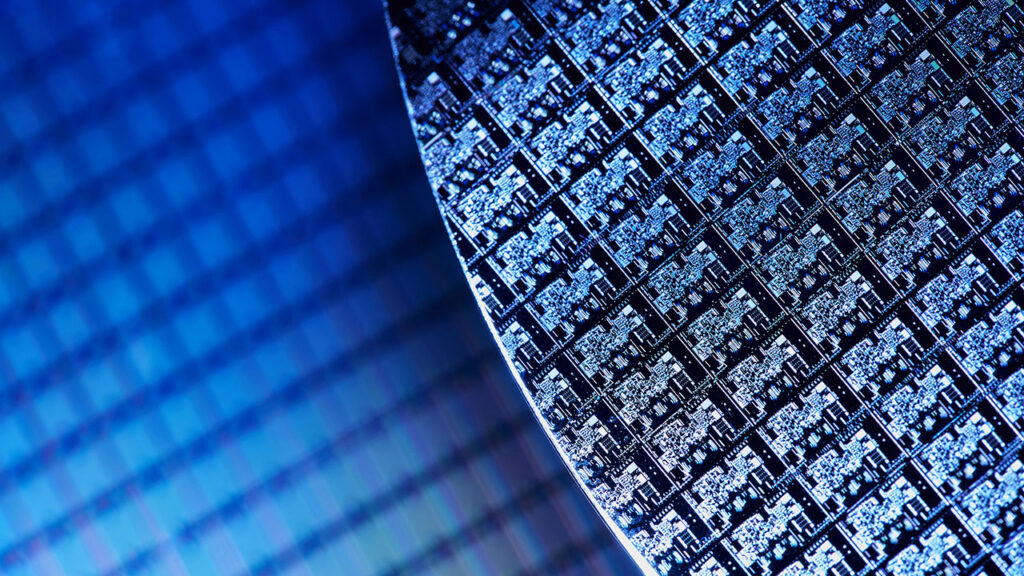
High Performance Materials Analysis Solutions
High Performance Materials Analysis Applications. Why Laboratories Choose LECO.
In industries where failure is not an option, for example—aerospace, automotive, energy, medical, and advanced manufacturing—materials must perform under the most extreme conditions. Whether it’s withstanding temperatures above 1000 °C, resisting corrosion in chemically aggressive environments, or maintaining structural integrity under high stress, the demand for high performance materials is only increasing as our world continues to innovate.
With so much at stake, it’s critical to ensure your high performance materials are truly ready to perform. But performance doesn’t begin on the production line—it begins in the lab.
LECO helps engineers, scientists, and quality professionals solve the toughest analytical challenges in material development, compliance, and failure prevention.
Our solutions span the full spectrum of elemental analysis, thermal analysis, mass spectrometry, and metallography workflows. With reliable instrumentation, your lab is empowered to make confident decisions with accurate, repeatable data.
Whether your work is research-based or rooted in quality assurance, our systems are designed to streamline workflows, reduce variability, and deliver actionable insights. Continue reading for additional resources including webinars, application notes, and testimonials. You can also request a chat with an industry expert to find the right solution for your organization.
Webinars

Solving Aluminum Challenges with Modern Characterization Tools
Solving Aluminum Challenges with Modern Characterization Tools

Characterization of High-Performance Polymers Using Thermal Desorption/Pyrolysis and High-Resolution Mass Spectrometry
Characterization of High-Performance Polymers Using Thermal Desorption/Pyrolysis and High-Resolution Mass Spectrometry
Application Notes

Ultra-Low Carbon and Sulfur Analysis in Steel, Nickel, and Cobalt Alloys
Ultra-Low Carbon and Sulfur Analysis in Steel, Nickel, and Cobalt Alloys
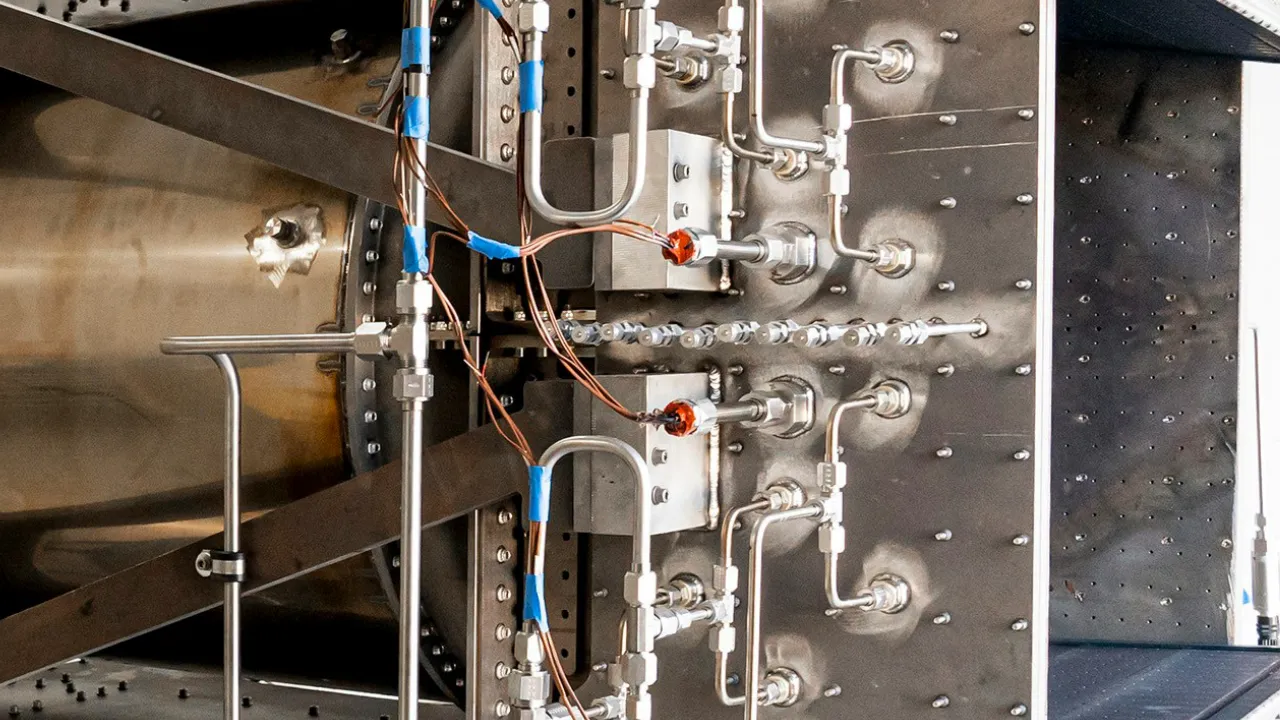
Determining Oxygen and Nitrogen in Refractory Metals with ON736
Determining Oxygen and Nitrogen in Refractory Metals with ON736
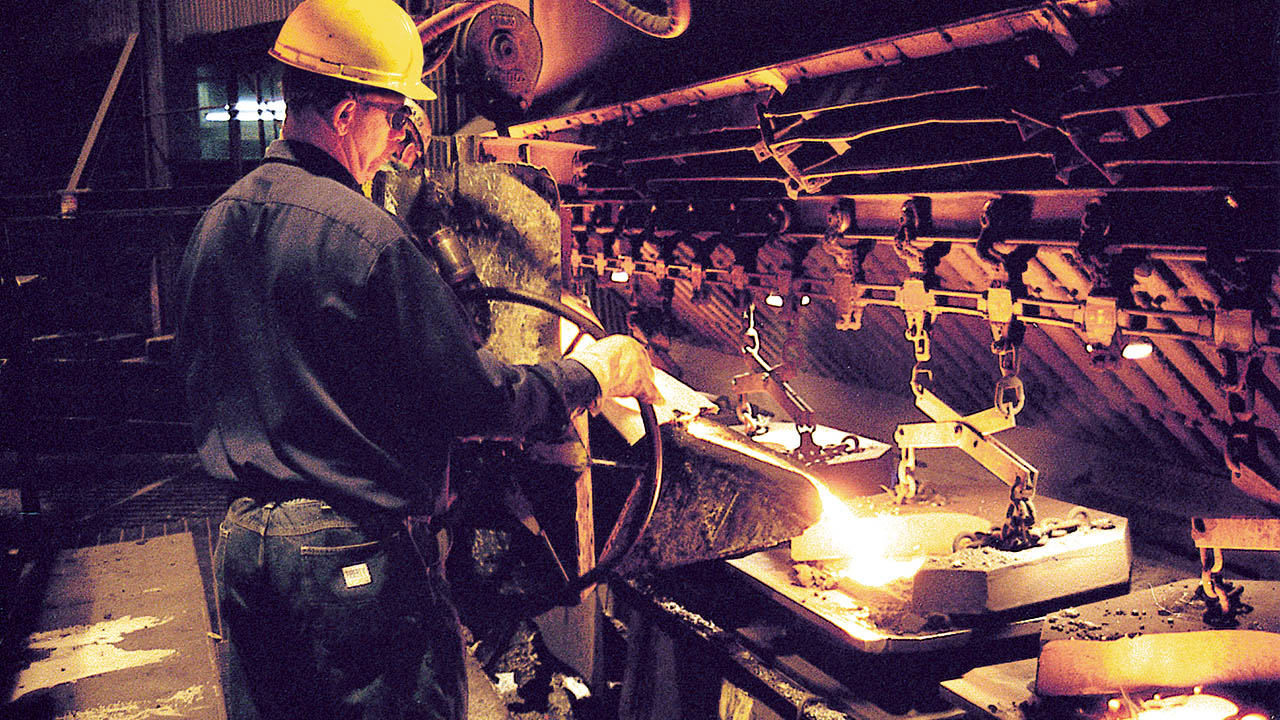
Bulk Analysis of Cast and Wrought Aluminum Alloys with GDS900
Bulk Analysis of Cast and Wrought Aluminum Alloys with GDS900

Hydrogen Reactive-Refractory Metals using H836EN
Hydrogen Reactive-Refractory Metals using H836EN

Determination of Hydrogen in Aluminum
Determination of Hydrogen in Aluminum

Using C844 to Determine Carbon in Refractory and Reactive Metals
Using C844 to Determine Carbon in Refractory and Reactive Metals

Carbon and Sulfur in Iron, Steel, Nickel-Base, and Cobalt-Base Alloys
Carbon and Sulfur in Iron, Steel, Nickel-Base, and Cobalt-Base Alloys
Determining ONH in Alloys: Optimizing Cycle Time and Performance
Determining ONH in Alloys: Optimizing Cycle Time and Performance

Determining Carbon Black in Polymers with TGA801
Determining Carbon Black in Polymers with TGA801

Determining Ash in Plastics with Thermogravimetry
Determining Ash in Plastics with Thermogravimetry
Determination of Nitrogen in Plastics with FP928
Determination of Nitrogen in Plastics with FP928
Determination of Ash in Polyethylene
Determination of Ash in Polyethylene

Determination of Ash in Polyproylene
Determination of Ash in Polyproylene

Determination of Ash in Polystyrene
Determination of Ash in Polystyrene
Quantify Regulated Phthalates in Consumer Plastics using GC-TOFMS
Quantify Regulated Phthalates in Consumer Plastics using GC-TOFMS
Packaging Contaminants in Consumer Cola Beverages
Packaging Contaminants in Consumer Cola Beverages

Characterizing Extractables from Dental Bite Guards with GC-TOFMS
Characterizing Extractables from Dental Bite Guards with GC-TOFMS

New Item
New Item
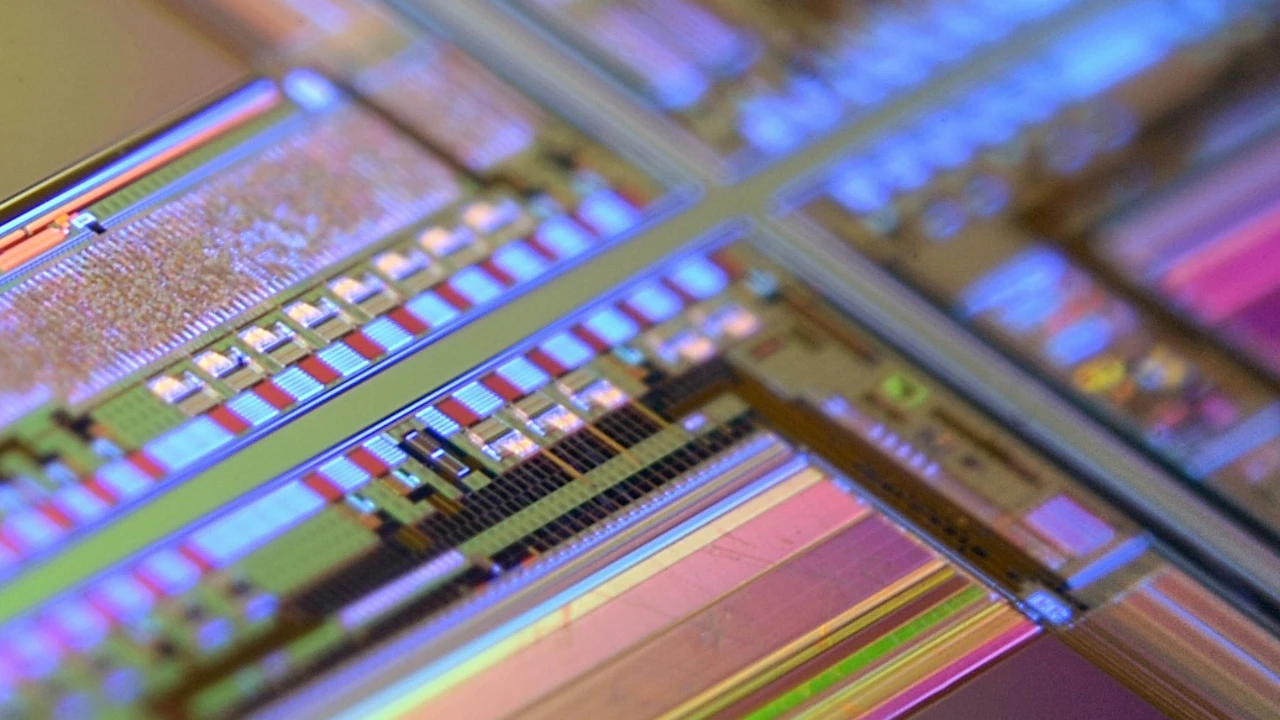
Determination of Oxygen in Silicon Wafers with O836Si
Determination of Oxygen in Silicon Wafers with O836Si

Determination of Carbon and Sulfur in Silicon Carbide
Determination of Carbon and Sulfur in Silicon Carbide
Image Analysis of Cast Aluminum Porosity
Image Analysis of Cast Aluminum Porosity
Metallographic Preparation of Ceramic and Cermet Materials
Metallographic Preparation of Ceramic and Cermet Materials
Metallographic Preparation of Printed Circuit Boards
Metallographic Preparation of Printed Circuit Boards

Metallography of Aluminum and Aluminum Alloys
Metallography of Aluminum and Aluminum Alloys

Automated Decarburization Depth Analysis
Automated Decarburization Depth Analysis
Metallographic Principles and Procedures
Metallographic Principles and Procedures
Packaging Contaminants in Consumer Cola Beverages
Packaging Contaminants in Consumer Cola Beverages
The LECO Difference
Trusted expertise, groundbreaking technology, and a commitment to your success.

Comprehensive Results
Trace-level detection with helium or hydrogen carrier gases – no analytes escape detection.

Bespoke Software
Built to streamline common challenges like off-odor identification and product reformulation.

Versatility
Select the carrier gas, modulator, and injection techniques to satisfy a wide variety of workflows.

Best in Class Service
We dedicate ourselves to your success through unmatched support, training, and fast service.
Related News

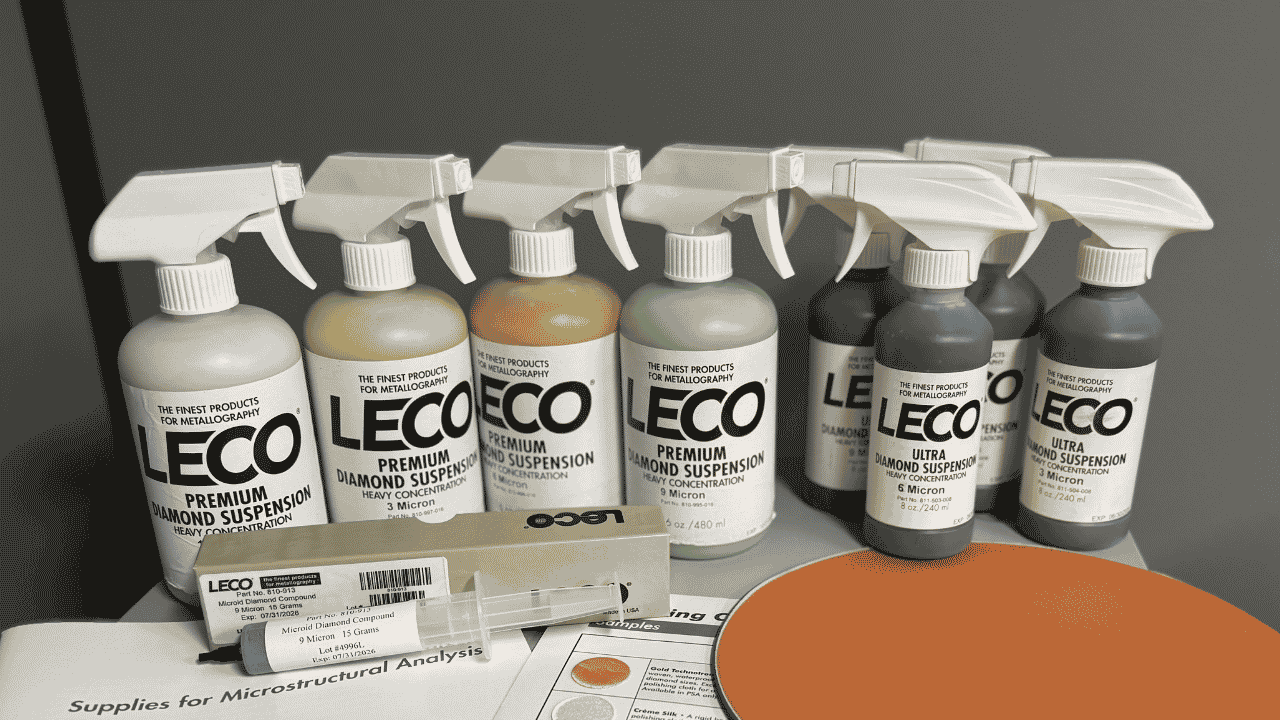

Instruments & Software
AMH6
AMH6 Hardness Testers Advance your Hardness Testing Experience a new level of performance in automated hardness testing. The AMH6 delivers unmatched efficiency and unwavering accuracy, combining precise load applications with real-time analysis to bring lab-grade results to production-speed environments.Building on LECO’s software-first approach, the AMH6 integrates an intelligent control box, ergonomic workflows, and faster read […]
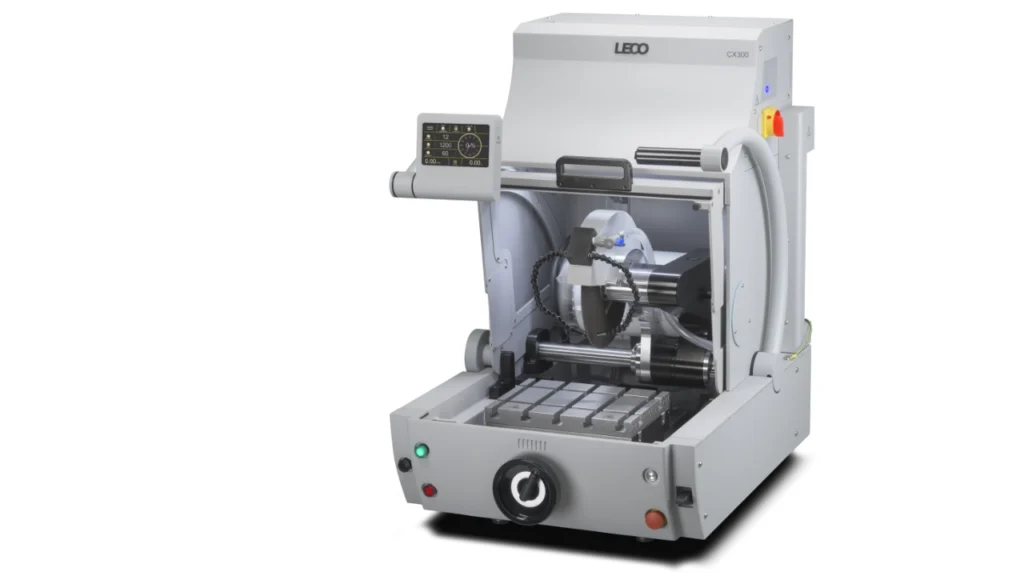
CX300 Series
CX300 Series Benchtop Sectioning Machines Precision Meets Performance The LECO CX300 Series of metallographic sectioning machines – including the manual CX300M, linear feed CX300L, and fully automatic CX300A – are compact, benchtop instruments designed to streamline sample preparation with an emphasis on user-friendly operation, lab safety, and easy maintenance. These machines enable efficient, clean, and […]
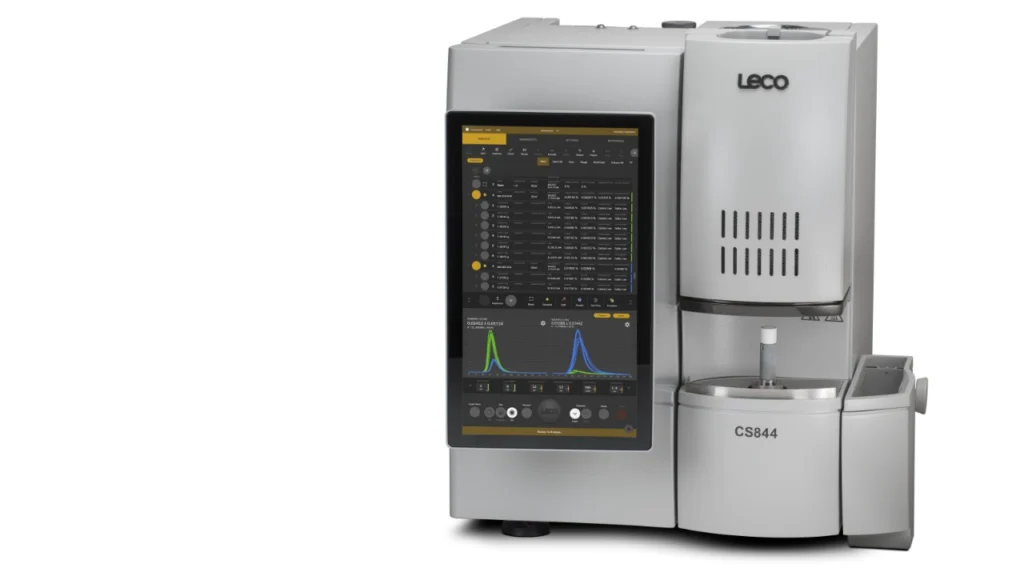
744/844 Series
744/844 Series Elemental Analyzers Overview LECO carbon and sulfur by induction analyzers deliver fast, accurate carbon and sulfur determination in inorganic materials using high‑frequency induction furnace combustion and nondispersive infrared detection. Designed for routine quality and process control, the CS744 combines robust performance, ease of operation, and dependable accuracy to support day-to-day analysis across metals, […]
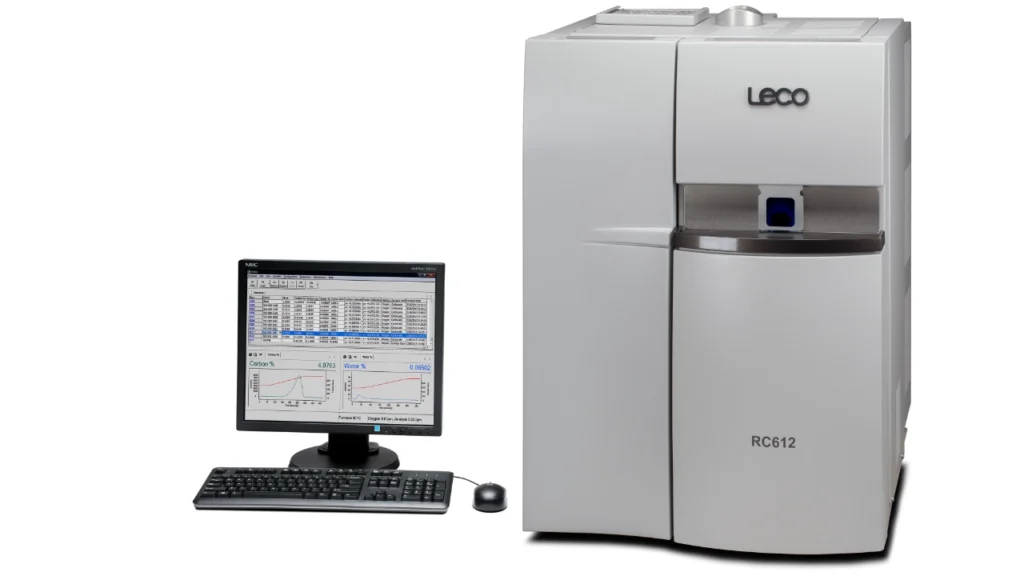
RC612
Precise Total Organic & Inorganic Carbon and Moisture Determination

GDS Series
Glow Discharge Spectrometers deliver fast, accurate bulk and surface analysis for metals and coatings.

PX Series
PX Series Metallographic Grinding & Polishing Systems Advanced Grinder/Polishers for Fast, Reliable Sample Prep The LECO PX Series of metallographic grinder/polishers – including the PX300, PX400, and PX500 models – emphasizes ease of use while delivering exceptionally flat specimens that are ideal for microhardness or microstructural analysis. With innovative features like multi-touch controls, automated cleaning […]

MX Series
MX Series High-Throughput Mounting Presses Smart, Modern Metallographic Mounting The LECO MX Series of metallographic mounting presses, including the MX400 and MX500, are fully automatic; benchtop systems designed to streamline and accelerate your sample mounting process. These presses deliver fast cycle times, dual-sample mounting, and an intuitive touchscreen interface in a slim, space-saving design. Built […]
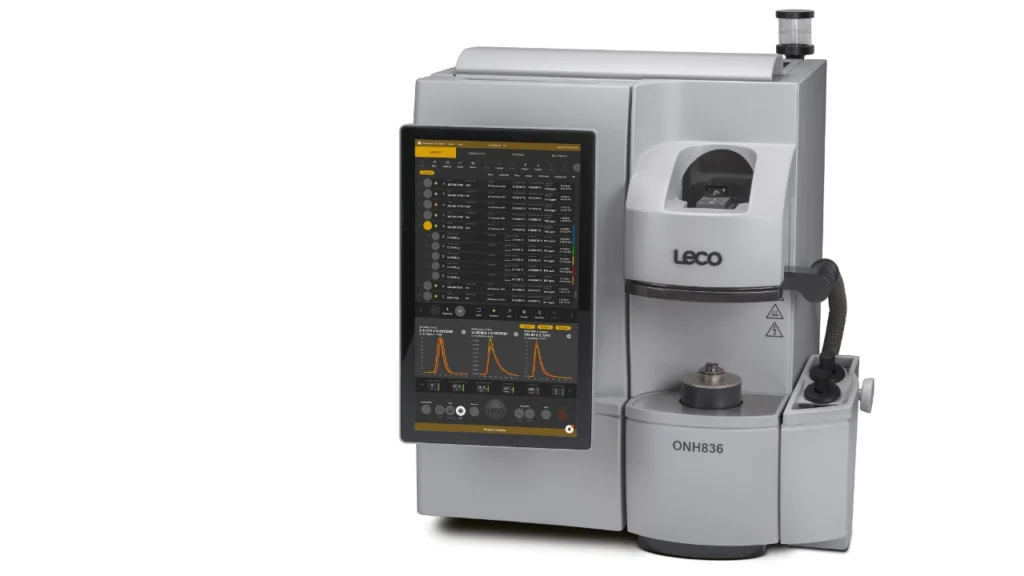
736/836 Series
Inert gas fusion analysis for oxygen, hydrogen, and nitrogen
 English
  Spanish
  Japanese
  German
  French
  Portuguese