

Environmental Testing & Analysis Solutions
Advanced Analytical Instrumentation for Environmental Research
From PFAS in groundwater to elemental characterization of soil and waste, modern environmental monitoring often requires more than a single analytical approach. LECO delivers both high-performance mass spectrometry and precise elemental analysis instrumentation, enabling labs around the world to get a more complete picture of their samples. Laboratories can identify trace contaminants while also quantifying the bulk composition of environmental samples. Together, these tools provide the complete analytical insight needed to assess and protect ecosystem health.
Multi-Dimensional Separation & Non-Targeted Screening
When trace contaminants are lost in complex, “dirty” samples, standard chromatography falls short. LECO’s GC-TOFMS and GCxGC-TOFMS platforms provide the separation power needed for the most challenging environmental matrices.
- GCxGC: The increased peak capacity of multidimensional chromatography provides cleaner analyte spectra and group-type separation.
- High-Resolution TOFMS: High resolution accurate mass performance allows users to compute the elemental formula of unknown analytes and improve identification confidence.
- Powerful Deconvolution: ChromaTOF software identifies trace-level pollutants even when obscured by heavy matrix backgrounds common with environmental extracts and Pyrolysis GC-MS analyses.
Elemental & Macro Composition
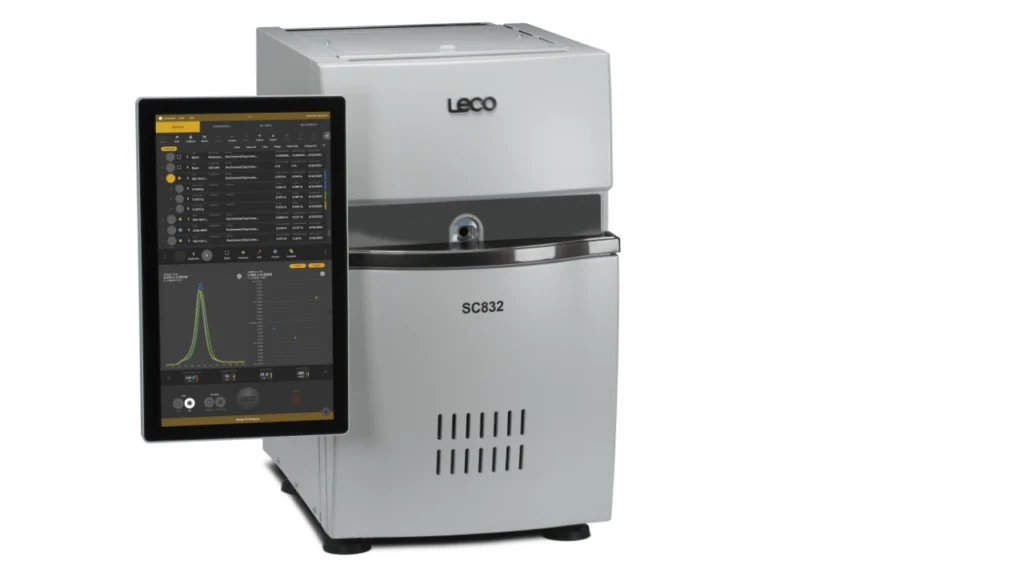
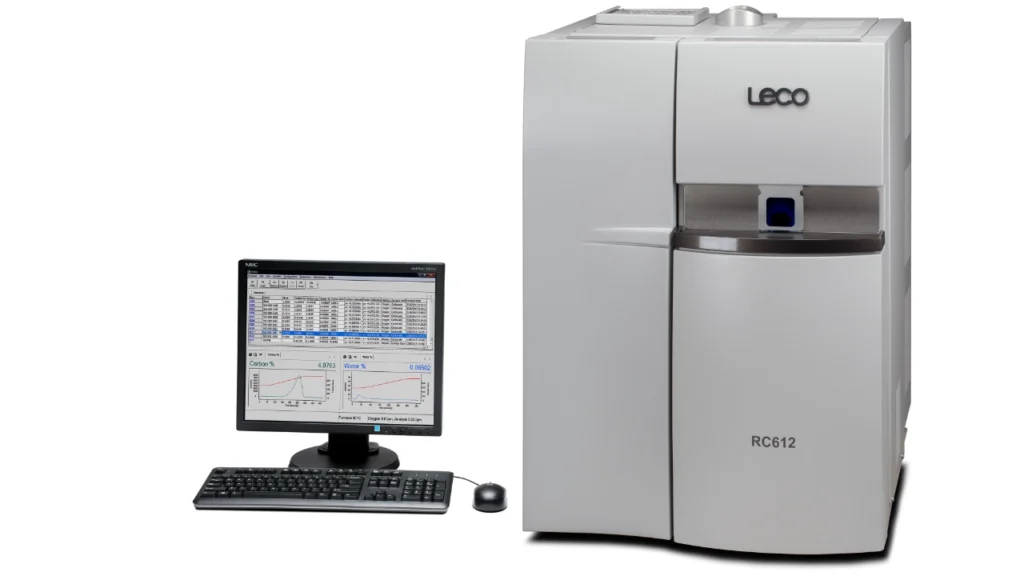
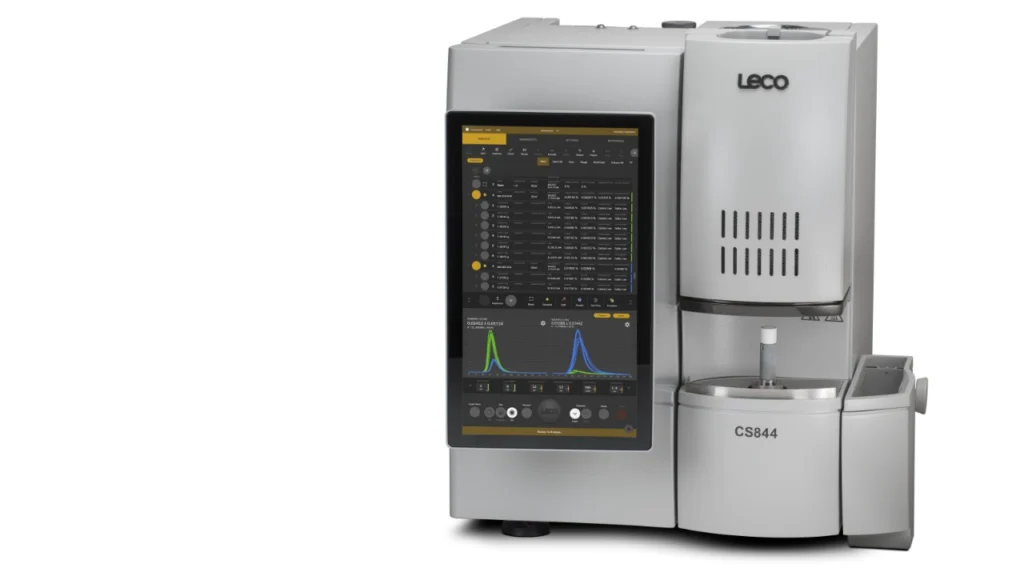
To put organic data into context, you must first quantify the sample’s bulk chemistry. LECO’s combustion analyzers and thermogravimetric analysis (TGA) systems provide high-throughput quantification of primary elemental constituents.
- Carbon & Nitrogen: Essential metrics for monitoring carbon sequestration (e.g., measuring Total Organic Carbon (TOC) in soil), evaluating soil health, and managing nutrient loads.
- Sulfur Monitoring: Provides essential data for managing sulfur-related emissions and supporting environmental performance in biofuels and solid fuel applications.
- Thermogravimetric Analysis: Automatically determines moisture, ash, and volatiles in biomass, sludge, and soils. This data is critical for process control and for correcting organic results on a dry-weight basis.
Discover what’s in your sample. No matter your mission, you can rely on LECO instruments to provide the data required for your scientific and regulatory goals. Explore our library of application notes and technical resources to see our solutions in action.
Webinars


The LECO Difference
Trusted expertise, groundbreaking technology, and a commitment to your success.

Comprehensive Results
Trace-level detection with helium or hydrogen carrier gases – no analytes escape detection.

Bespoke Software
Built to streamline common challenges like off-odor identification and product reformulation.

Versatility
Select the carrier gas, modulator, and injection techniques to satisfy a wide variety of workflows.

Best in Class Service
We dedicate ourselves to your success through unmatched support, training, and fast service.
Application Notes
Comprehensive Environmental Monitoring
These application notes highlight how advanced GC-MS techniques tackle the growing challenge of detecting per- and polyfluoroalkyl substances (PFAS) across a range of real-world, complex samples. Due to the diverse nature of PFAS, sensitive, high-resolution separations and complementary data processing tools are required to confidently identify trace-level analytes and uncover previously uncharacterized species. Each app note demonstrates how LECO’s high-resolution GC- and GCxGC-TOFMS platforms enable both targeted detection of known PFAS and non-targeted discovery of previously unknown compounds.
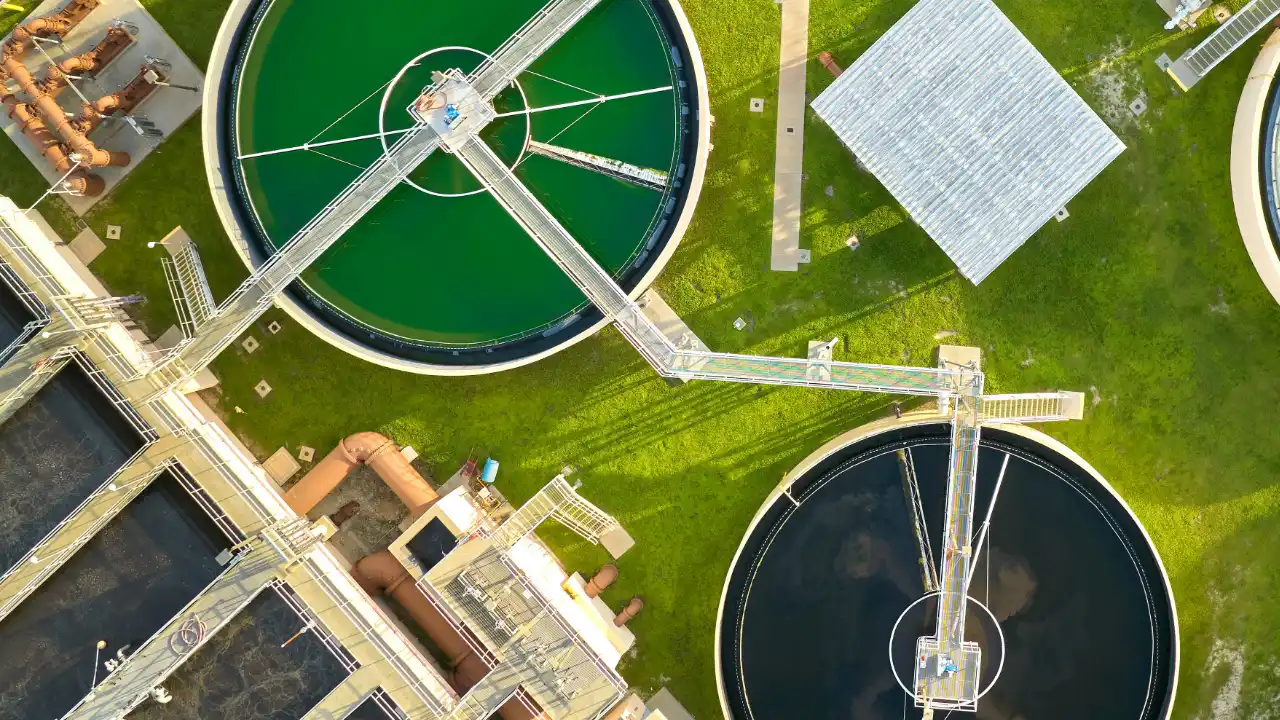
Determination of PFAS in Environmental Waters Using DHS-GCxGC-TOFMS
Determination of PFAS in Environmental Waters Using DHS-GCxGC-TOFMS

Enhanced PFAS Workflow with High Performance GC-TOFMS
Enhanced PFAS Workflow with High Performance GC-TOFMS
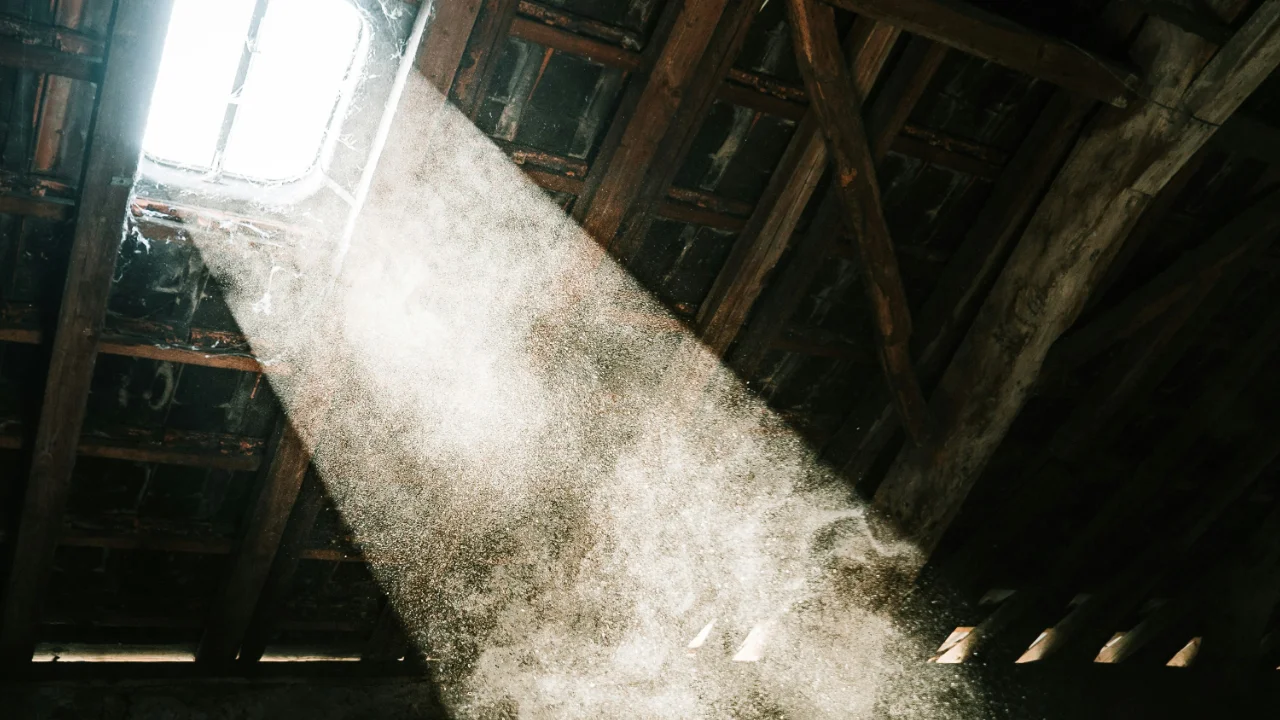
PFAS and Environmental Pollutants in Household Dust
PFAS and Environmental Pollutants in Household Dust
Tracking Trace-Level Contaminants
This series of application notes shows how labs can utilize advanced GC-TOFMS to uncover and measure harmful contaminants in challenging environmental samples—from water and sediments to household dust and wildfire ash. Using techniques such as GCxGC-TOFMS and high-resolution (HR) TOFMS, each study demonstrates how improved separation, sensitivity, and data processing power make it easier to detect trace-level pollutants, including persistent organic pollutants (POPs) and disinfection byproducts.
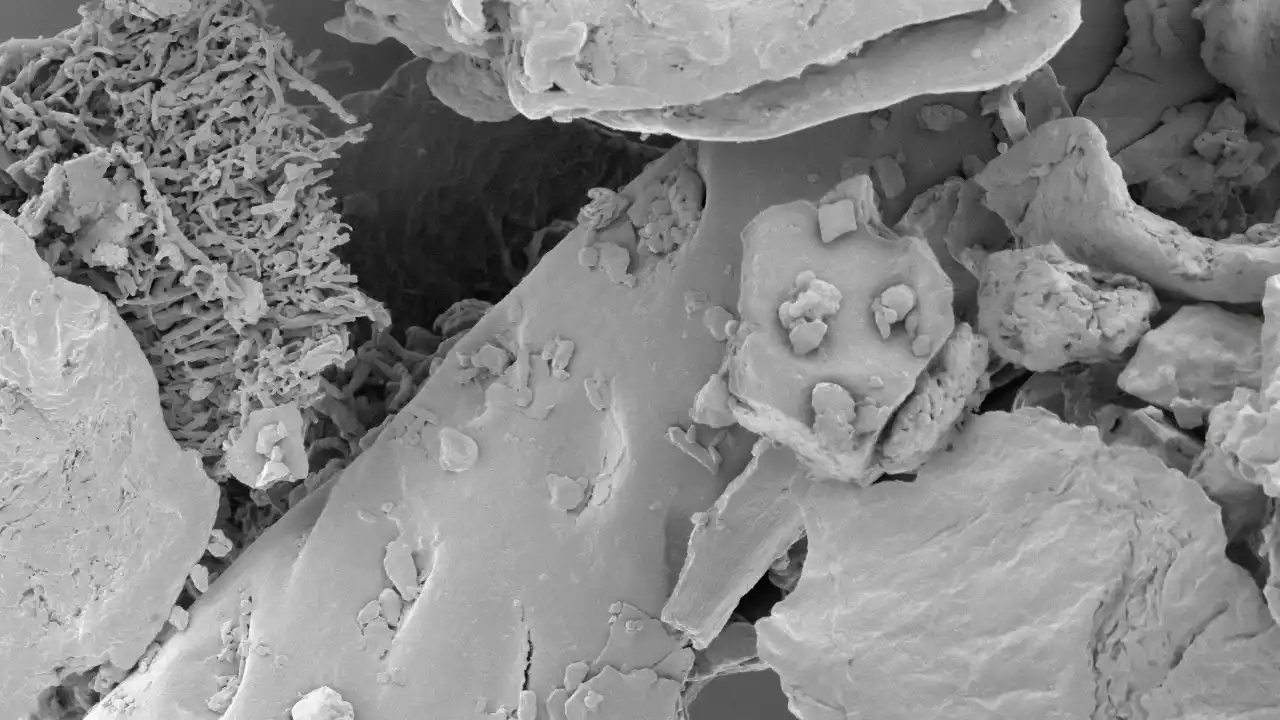
Analysis of Polychlorinated Paraffins using GCxGC-HRTOFMS
Analysis of Polychlorinated Paraffins using GCxGC-HRTOFMS

Determination of OCPs and PCBs in Sediments
Determination of OCPs and PCBs in Sediments
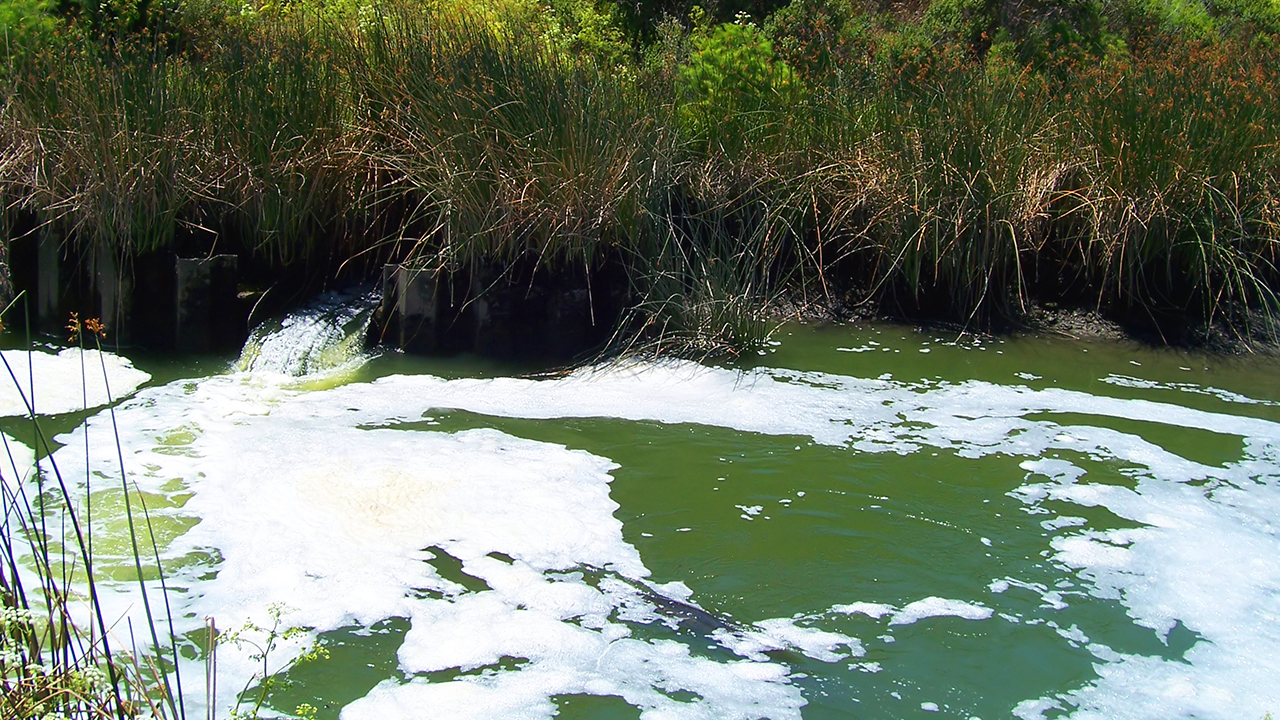
Tracing Disinfectants in Treated Water Impacted by Wildfires
Tracing Disinfectants in Treated Water Impacted by Wildfires
Identifying Disinfection Byproducts in Treated Water
Identifying Disinfection Byproducts in Treated Water
Rapid, Reliable, and Consistent Analysis for Wastewater
Read our white paper that demonstrates how thermogravimetric analysis (TGA) can simplify and improve the measurement of total solids (TS) and total volatile solids (TVS) in wastewater and sewage sludge. See how automated LECO TGA systems enable fast, reliable analysis of large sample volumes while reducing manual handling and improving precision at VERITAS S.p.A, one of Italy’s largest water treatment providers. By combining automation with standardized methods and ISO-accredited workflows, the lab can generate accurate, real-time data to better manage sludge processes and treatment performance.

TOC: Precision, Accuracy, and Reliability Matter
Total organic carbon (TOC) is a key indicator of soil quality, performance, and environmental impact. This application note showcases how LECO’s automated carbon analyzer, the C832, enables accurate measurement of TOC in agricultural soils. It addresses the challenge of separating organic carbon from inorganic carbon, demonstrating workflows for acid digestion and combustion-based methods.




 English
  Spanish
  Japanese
  German
  French
  Portuguese