

Construction Materials Testing & Analysis Solutions
Advanced Construction Materials Testing: Building Strong Foundations with Precision Analysis.
In today’s competitive construction landscape, quality, compliance, and sustainability are non-negotiable. Whether you’re producing cement, concrete, steel, gypsum wallboard, or insulation materials, accurate and reliable analyses is essential to support and/or meet rigorous industry standards like ASTM C114, C150, and C471M.
LECO’s Advanced Analytical Solutions Deliver the Answers You Need:
- Microstructure: Detailed evaluation for rebar and clinker quality.
- Elemental Purity: Carbon and Sulfur determination in cement and steel.
- Thermal Stability: Moisture and Loss on Ignition (LOI) testing in gypsum and fly ash.
Trusted by Labs Worldwide
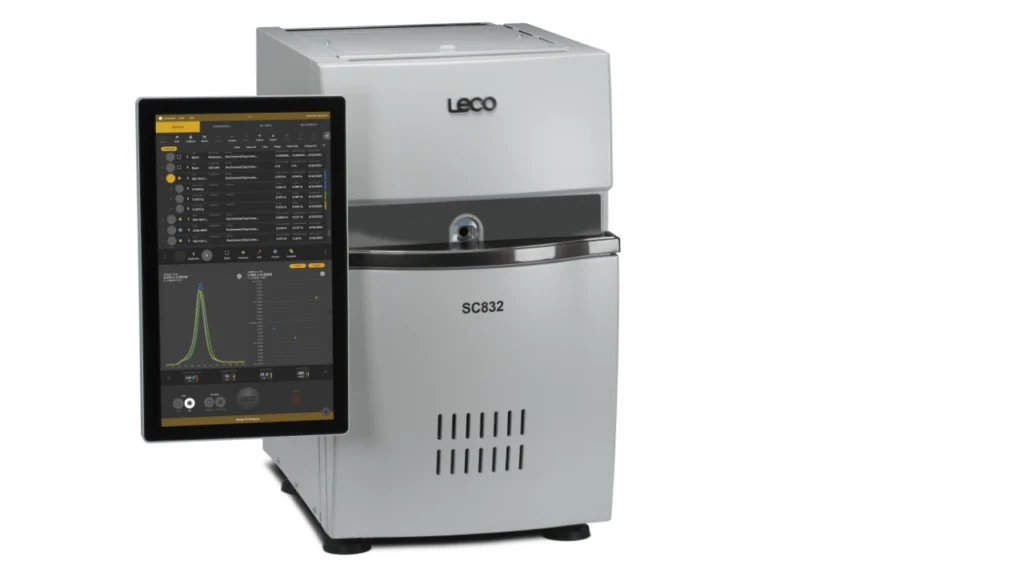
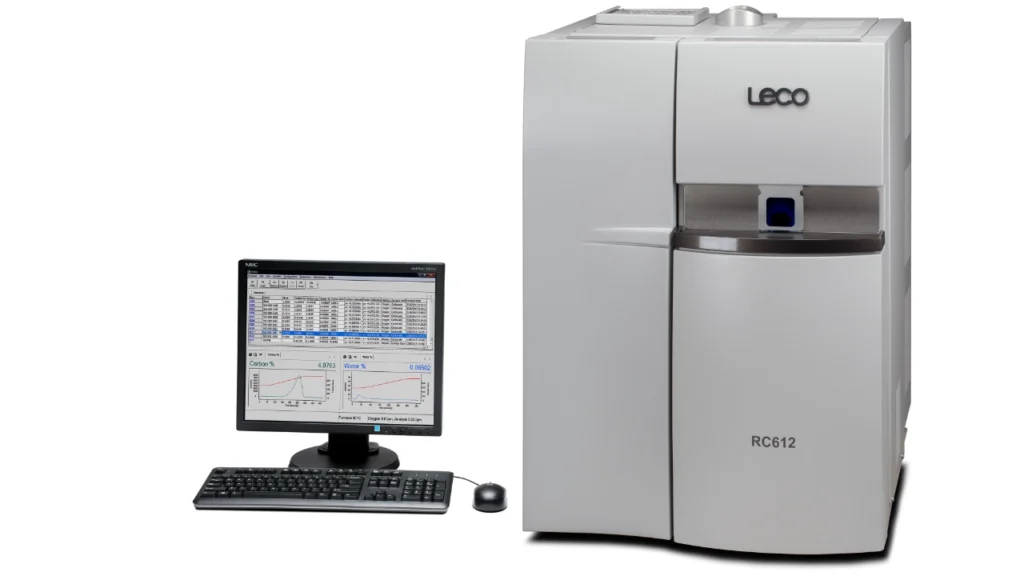
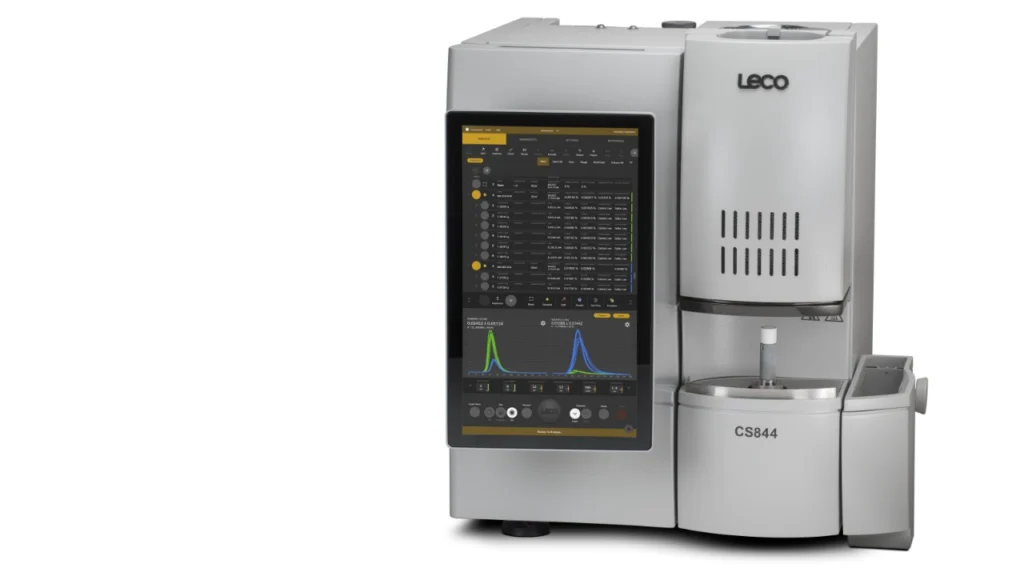
Our instruments, including the CS744, SC832, and TGA801, are engineered to deliver fast, reproducible results that align with global standards. We help you optimize kiln feed quality, validate gypsum wallboard performance, and ensure compliance for the toughest specifications.
Join us in building success through analytical science. Explore our application notes and webinars that showcase how LECO is transforming the way building materials are tested and analyzed.
Webinars

Cement Clinker Preparation and Examination
Cement Clinker Preparation and Examination

Optimize Your LOI: Easy Split Loss Analysis for Cement Quality Control
Optimize Your LOI: Easy Split Loss Analysis for Cement Quality Control
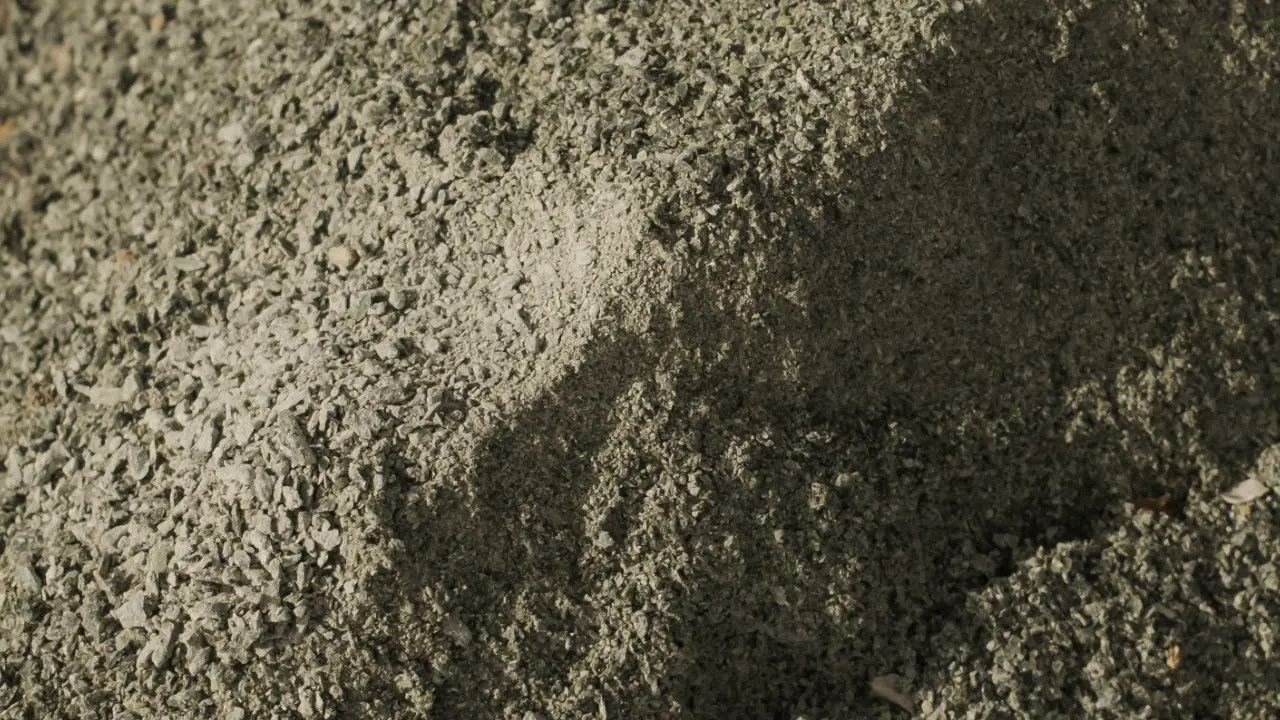
Total Sulfur and Carbon Determination in Cement and Raw Materials
Total Sulfur and Carbon Determination in Cement and Raw Materials

Carbon and Nitrogen in Adhesives, Laminates, and Cement Fiber Boards
Carbon and Nitrogen in Adhesives, Laminates, and Cement Fiber Boards
Application Notes
Cement & Concrete Quality Control
From the quarry to the kiln, maintaining precise control over raw material composition is the key to producing high-performance cement. This section focuses on the critical determination of Carbon, Sulfur, and moisture content in limestone, dolomite, and fly ash.
Whether you are monitoring Loss on Ignition (LOI) to ensure chemical stability or analyzing clinker microstructure for quality assurance, our solutions provide the data needed to optimize fuel usage, reduce rework, and meet strict environmental standards. Build a foundation of consistency with elemental analysis designed for the minerals industry.
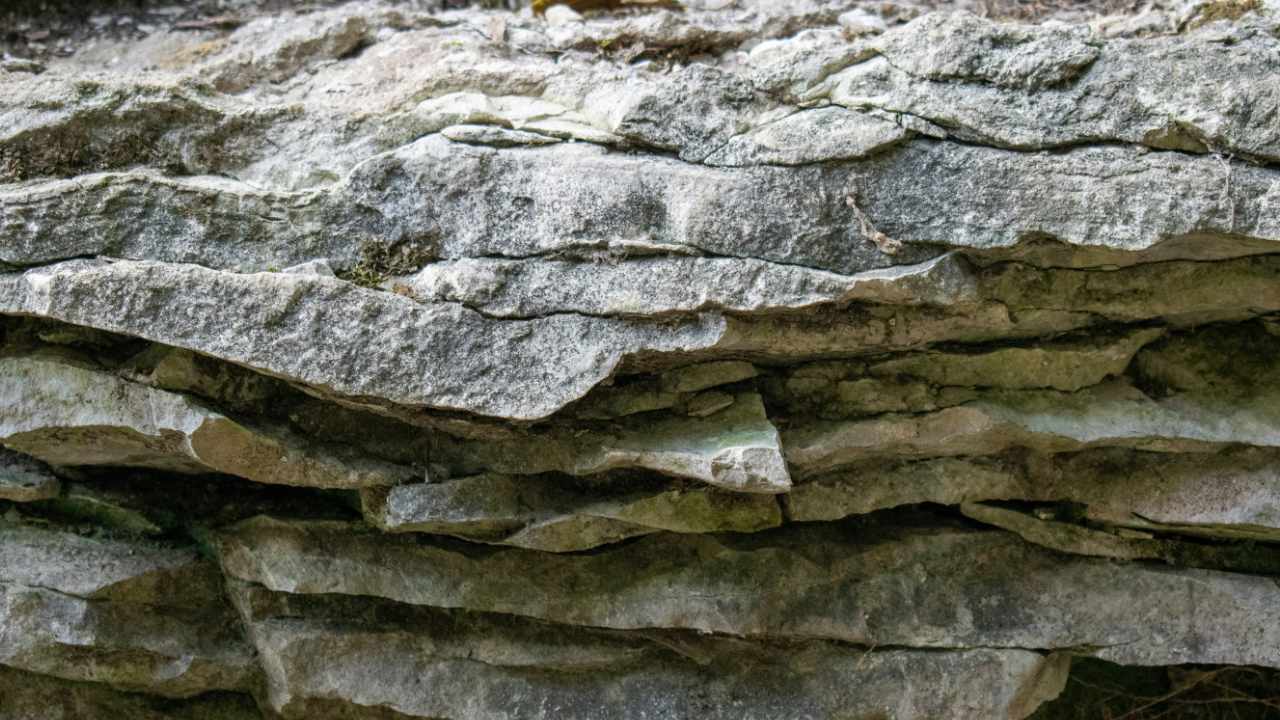
Carbon and Sulfur Determination in Limestone and Dolomite
Carbon and Sulfur Determination in Limestone and Dolomite

Sulfur and Carbon Determination in Cement, Clay, Fly Ash, Limestone, Soil, and Ore
Sulfur and Carbon Determination in Cement, Clay, Fly Ash, Limestone, Soil, and Ore
Loss on Ignition (LOI) in Combustion Residues
Loss on Ignition (LOI) in Combustion Residues

Cement Clinker Analysis
Cement Clinker Analysis
Split Loss-on-Ignition Analysis of Cement
Split Loss-on-Ignition Analysis of Cement
Ensure Quality, Avoid Failures
Structural integrity begins at the microscopic level. For manufacturers and engineers working with rebar, structural beams, and metal building components, verifying material purity is vital for ensuring the safety and longevity of a project. This section focuses on the critical analysis of inclusions and chemical uniformity within steel products. From specialized sample preparation techniques to solving the challenges of analyzing difficult part geometries, our solutions provide the clarity needed to prevent material failure and ensure every batch meets rigorous construction codes.

Bulk Analysis of Low Alloy, Cr-Mo, Free Machining, and Austenitic High Mn Steels
Bulk Analysis of Low Alloy, Cr-Mo, Free Machining, and Austenitic High Mn Steels

Bulk Analysis of Corrosion and Heat-Resistant Steels
Bulk Analysis of Corrosion and Heat-Resistant Steels

Carbon and Sulfur in Iron, Steel, Nickel-Base and Cobalt-Base Alloys
Carbon and Sulfur in Iron, Steel, Nickel-Base and Cobalt-Base Alloys
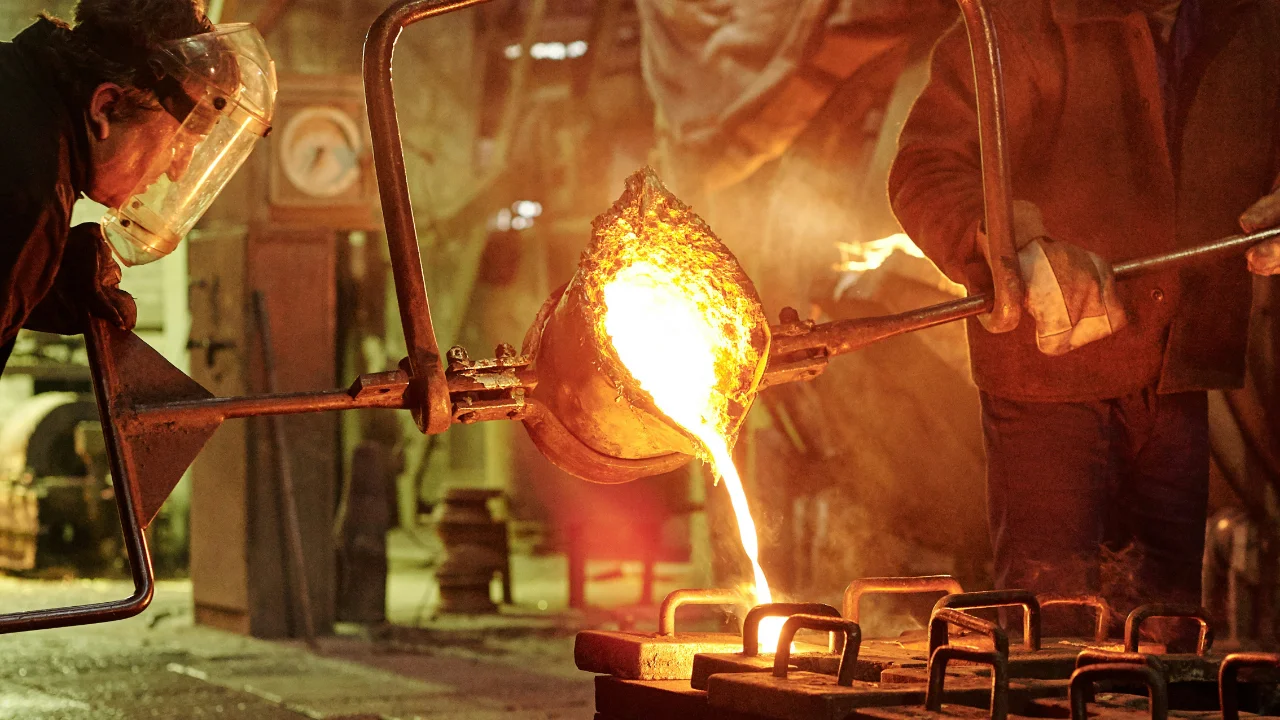
Determination of Hydrogen in Steel and Iron
Determination of Hydrogen in Steel and Iron

Oxygen and Nitrogen in Solid Iron, Steel, Nickel-Base, and Cobalt-Base Alloys
Oxygen and Nitrogen in Solid Iron, Steel, Nickel-Base, and Cobalt-Base Alloys

Automatic Metallographic Specimen Preparation
Automatic Metallographic Specimen Preparation

Sulfur Printing
Sulfur Printing

Revealing Delta Ferrite in Martensitic Stainless Steels
Revealing Delta Ferrite in Martensitic Stainless Steels

Sectioning Techniques in Metallography
Sectioning Techniques in Metallography
Determining ONH in Alloys: Optimizing Cycle Time and Performance
Determining ONH in Alloys: Optimizing Cycle Time and Performance
High-precision Analysis for the Exact Makeup of Coatings
Protection is as important as the structure itself. In this section, we explore high-precision analysis for galvanized, aluminized, and painted surfaces that prevent corrosion and extend the life of building materials. Using Compositional Depth Profiling (CDP), you can visualize the exact chemical makeup of a coating from the surface down to the substrate. Ensure uniform application, verify coating thickness, and maintain the aesthetic and functional standards required for modern architectural finishes and protective barriers.

The LECO Difference
Trusted expertise, groundbreaking technology, and a commitment to your success.

Comprehensive Results
Trace-level detection with helium or hydrogen carrier gases – no analytes escape detection.

Bespoke Software
Built to streamline common challenges like off-odor identification and product reformulation.

Versatility
Select the carrier gas, modulator, and injection techniques to satisfy a wide variety of workflows.

Best in Class Service
We dedicate ourselves to your success through unmatched support, training, and fast service.



 English
  Spanish
  Japanese
  German
  French
  Portuguese