
Precision Moisture Determination
Essential Data for Material Characterization

Quantifying water content is more than a routine measurement; it is a fundamental analytical requirement for understanding material behavior. Whether surface-absorbed or chemically bound within a matrix, moisture content directly dictates a sample’s physical integrity, chemical stability, and economic value. With a precise moisture profile, manufacturers and scientists can predict how materials will respond to processing, how they will perform in the field, and whether they meet the rigorous specifications of global industry standards.
Benefits of Moisture Determination
- Quality and Stability Control: Ensures that products like pharmaceuticals, feeds, and chemicals remain stable and effective throughout their shelf life.
- Economic Accuracy: In industries like agriculture and mining, moisture content directly affects the dry weight value of commodities, ensuring fair trade and contract fulfillment
- Process Optimization: Identifies how moisture will impact flowability in powders, kiln behavior in cement production, or combustion efficiency in fuels
- Operational Throughput: Modern moisture determinators replace slow, manual oven-drying methods with automated, high-speed analysis that delivers results in a fraction of the time.
Understanding Moisture Matrices
Moisture determination is often used as the first step in a broader analytical workflow. To achieve accurate results, laboratories must account for how water is held within a specific material.
Organic Materials & Biomass

In organic matter, moisture influences microbial stability and energy density.
- Food & Agriculture: Precise testing informs harvest timing and prevents spoilage by identifying the point at which water activity could lead to mold or fermentation.
- Biofuels: Moisture analysis is essential for calculating net calorific value, as excess water reduces energy output and increases emissions during combustion.
Inorganic Materials

In metals, ceramics, and construction materials, moisture is often an external contaminant that can lead to catastrophic failure.
- Structural Integrity: Measuring moisture in cement and aggregates ensures proper bonding and prevents cracking or corrosion in finished structures.
- Advanced Manufacturing: In electronics and metallurgy, even trace amounts of moisture can cause outsized effects during high-temperature processes like soldering or smelting.
How are Moisture Determinators Used?
- Food and Feed Science: Moisture analysis is the gold standard for verifying the texture, safety, and shelf life of processed foods and animal feed. It ensures compliance with strict labeling requirements and safety standards.
- Energy and Combustible Fuels: By determining the moisture content in coal, coke, and biomass, laboratories can adjust combustion parameters and verify that fuel shipments meet energy specifications.
- Construction and Building Materials: Moisture testing is used to monitor the drying progress of concrete and the quality of raw materials like lime and gypsum, ensuring they haven’t absorbed excess water during storage.
- Chemicals and Pharmaceuticals: Precise moisture control is vital for the potency and shelf life of chemical compounds. It prevents unwanted reactions and ensures the consistency of powders and granules.
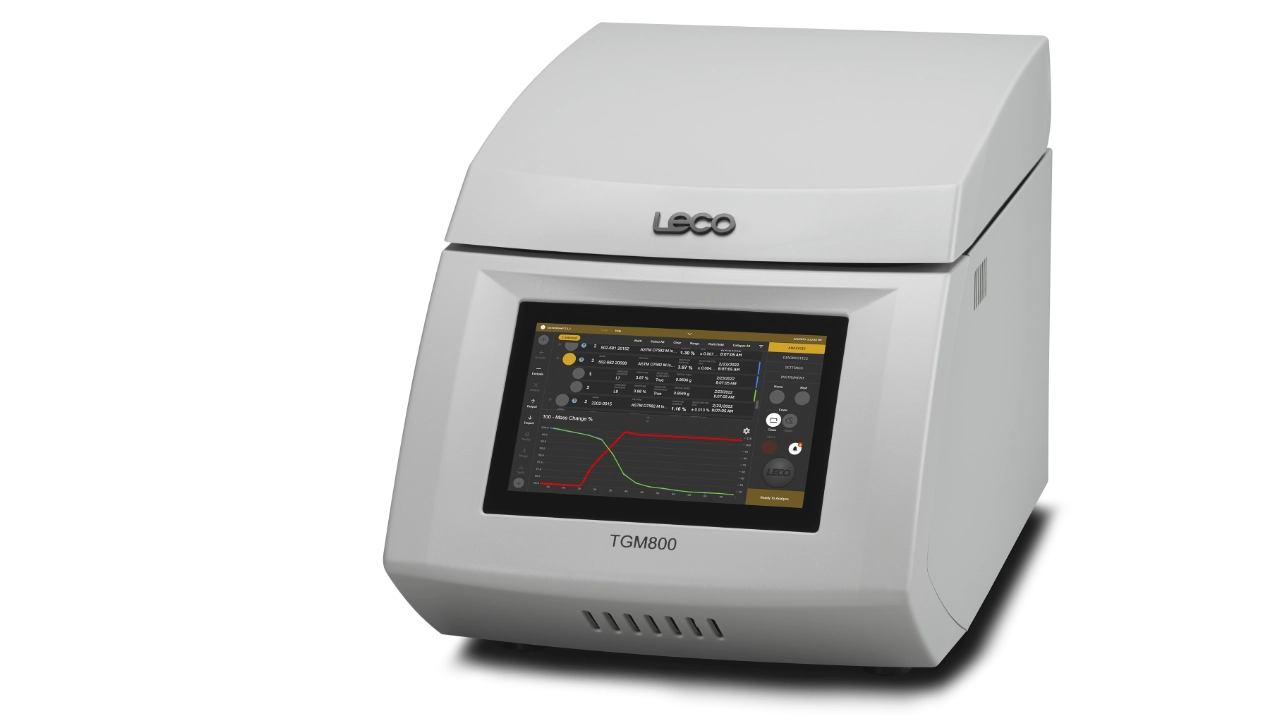
Moisture Determination Instruments
Whether you are analyzing a single sample or high volumes of diverse matrices, these instruments provide the stability and precision required to maintain rigorous quality and safety standards in demanding laboratory workflows.


 English
  Spanish
  Japanese
  German
  French
  Portuguese