
Hydrogen Analysis & Testing

Hydrogen is the lightest element in the periodic table, yet its impact on materials science is immense. As a trace impurity in inorganic substances, it is a frequent cause of structural failure and embrittlement; as a primary constituent in organic materials, it is a key determinant of energy density, molecular properties, and chemical behavior.
Accurate, high-precision analysis is essential for identifying these roles, enabling manufacturers and researchers to maintain safety, optimize performance, and ensure quality across a diverse range of industrial and scientific applications.
Why Do We Measure Hydrogen in Materials?
Hydrogen plays a powerful and often contradictory role in material performance. In inorganic materials like metals and ceramics, even trace amounts can cause serious defects, such as internal voids, microscopic cracks, and hydrogen embrittlement. High-strength steels are especially vulnerable, with hydrogen-induced cracking posing significant risks to critical components like pressure vessels, aerospace parts, and pipelines.
Controlling hydrogen content is therefore essential to ensure structural integrity and prevent catastrophic failures. Historically, these dangers were discovered through experience; early steel ingots would sometimes crack due to trapped hydrogen, a challenge that drove the development of improved steelmaking processes and more accurate measurement techniques.
In contrast, hydrogen is a core component of organic materials such as fuels, polymers, and biomass. The hydrogen-to-carbon ratio is a critical metric that influences energy density, combustion behavior, and molecular characteristics. Fuels with a higher hydrogen content, such as methane and propane, produce more energy per unit mass and emit less CO2 than carbon-heavy alternatives like coal.
In the realm of polymers, hydrogen levels directly affect flexibility and thermal stability. Consequently, understanding hydrogen content is vital for assessing fuel quality, optimizing polymer production, and accurately characterizing biomass for the energy and manufacturing sectors.
Hydrogen in Inorganic Materials

Hydrogen in inorganic materials is not a structural component, but a contaminant. It enters during manufacturing or service, often from moisture or harsh environments. Though present in minuscule amounts, hydrogen can exist as dissolved atoms, hydrides, or trapped moisture—forms that can cause embrittlement and failure.
Why Test Hydrogen in Inorganic Materials?
- Prevent Cracking: Hydrogen must be tightly controlled to avoid failures in high-strength steels and welds. Degassing and heat treatments are used to reduce hydrogen levels, and analyzers verify effectiveness.
- Quality Control: Foundries and mills measure hydrogen to guide refining and fabrication. For example, aluminum casting requires low hydrogen to prevent porosity, and welders test for diffusible hydrogen to ensure low-risk procedures.
- Durability Assurance: Hydrogen testing confirms that materials like titanium alloys and reactor forgings meet safety standards, especially for extreme environments.
- Troubleshooting: Hydrogen analysis helps detect moisture-related contamination issues, such as wet furnace components, contaminated process gases, or system leaks, enabling operators to quickly investigate and implement corrective actions.
Hydrogen in Organic Materials

Organic materials—fuels, plastics, biomass—contain hydrogen, which is chemically bonded in hydrocarbons, carbohydrates, and proteins. These materials may also include inorganic hydrogen as moisture or hydroxyl groups.
Why Test Hydrogen in Organic Materials?
- Fuel Efficiency: Hydrogen-rich fuels burn cleaner and hotter. Measuring hydrogen helps calculate energy output and emissions, guiding fuel blending and equipment settings.
- Combustion Safety: Hydrogen affects burn rates and flame stability. Testing ensures safe and efficient operation of engines and burners.
- Environmental Monitoring: Hydrogen-to-carbon ratios reveal decomposition stages in soils and help distinguish biomass from fossil fuels in emissions studies.
- Product Quality: Hydrogen analysis verifies chemical composition in pharmaceuticals, plastics, and lubricants, ensuring product integrity and identifying degradation.
- Process Optimization: Hydrogen data supports renewable fuel development and fermentation tracking.
Hydrogen Testing Instruments
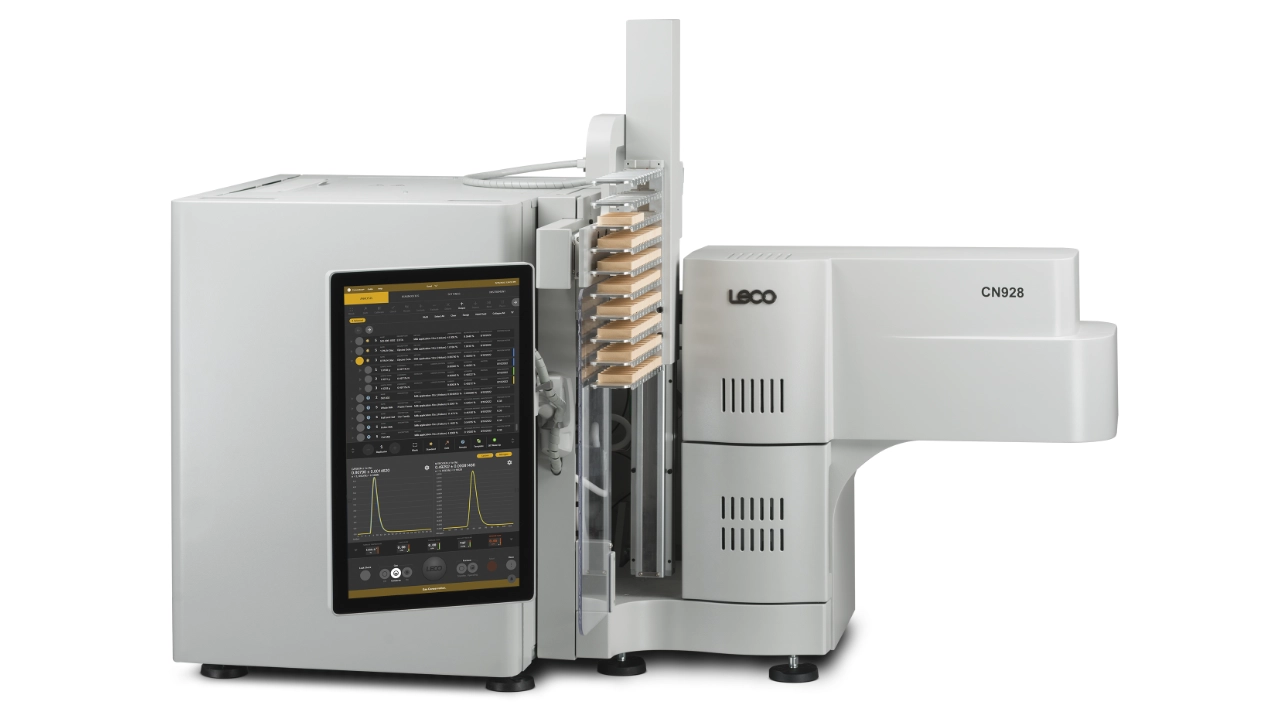
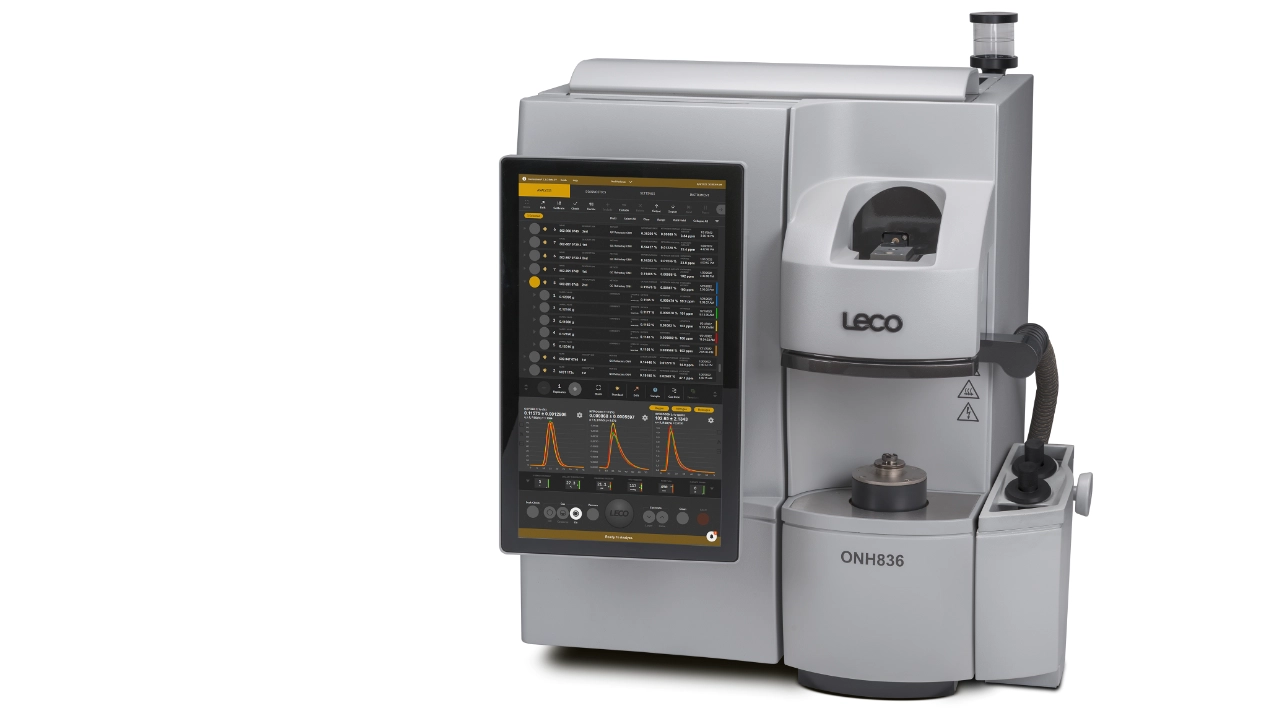
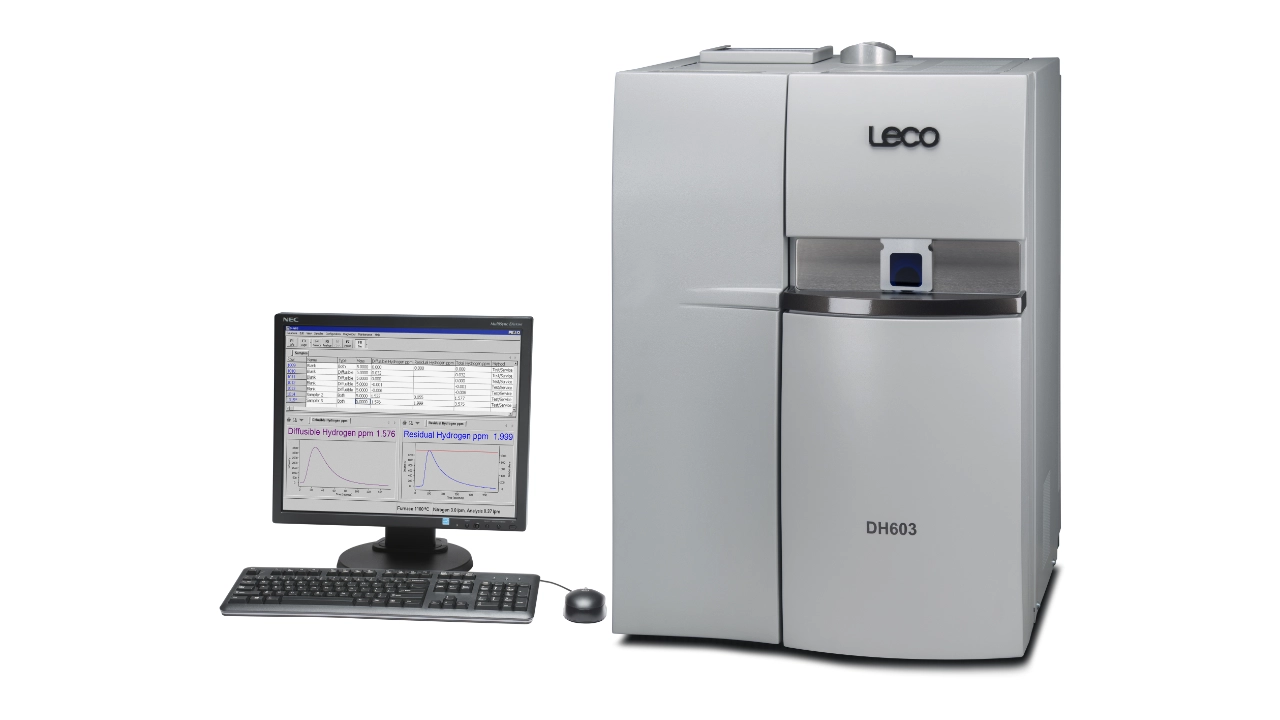
Whether testing metals or fuels, accurate hydrogen analysis helps prevent failures, optimize performance, and meet regulatory standards. Explore our instruments that ensure hydrogen is properly understood and managed across applications.

 English
  Spanish
  Japanese
  German
  French
  Portuguese