
Thermogravimetric Analysis for Ash, Volatile Content, and Loss on Ignition

Materials respond differently to heat—some components combust; others vaporize; and some remain as residue. To understand these behaviors, industries rely on thermogravimetric analysis (TGA) to measure three key properties: Ash Content, Volatile Content, and Loss on Ignition (LOI). These tests form the foundation of proximate analysis, an industry-standard approach for material characterization in manufacturing, energy, and environmental sectors.
- Ash Content: Measures the inorganic residue (minerals, salts) left after complete combustion. High ash levels can indicate impurities or fillers, affecting fuel efficiency and product purity.
- Volatile Content: Quantifies the portion of material that vaporizes when heated without oxygen. It reflects the easily combustible components, and influences ignition and flame behavior.
- Loss on Ignition: Captures total weight loss during high-temperature heating in air, including moisture, organics, and CO₂ from mineral decomposition. It’s a broad indicator of organic matter and is widely used in soil, cement, and mineral analysis.
Why Test for Ash Content?
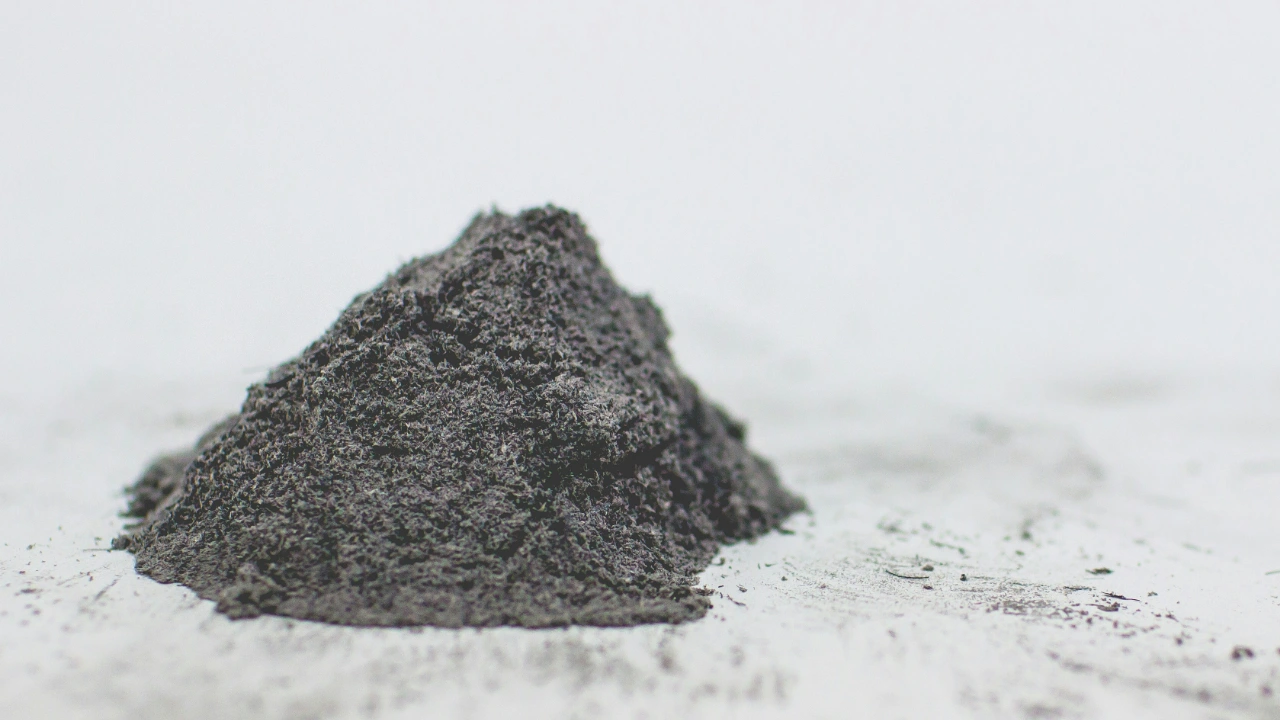
Ash testing involves the controlled combustion of a sample until only inorganic residue remains. By measuring this mass, labs can determine the mineral and inorganic loading of a material.
- Product Purity: Detects contamination or adulteration in food and pharmaceuticals by verifying mineral levels against strict regulatory specs.
- Material Composition: Confirms the concentrations of fillers, glass fibers, and reinforcing agents in plastics and paper products.
- Energy & Fuel Efficiency: High ash content decreases the net calorific value of fuels and leads to slagging and fouling in industrial boilers.
- Environmental & Waste Analysis: Informs the disposal or repurposing of waste materials, such as sewage sludge or coal combustion residuals (CCRs).
Why Test for Volatile Content?

Volatile matter is determined by heating a sample in a strictly inert (oxygen-free) atmosphere. During this process, gases such as hydrocarbons and tars are released through pyrolysis. The resulting weight loss represents the volatile fraction of the material.
- Combustion & Ignition Profile: Volatile content dictates how quickly a fuel ignites and the length of its flame. This is critical for classifying coal types—ranging from anthracite (low volatiles) to lignite (high volatiles).
- Safety & Stability: Materials with high volatility are prone to spontaneous combustion during storage and transport. Testing allows for the implementation of proper safety protocols and temperature monitoring.
- Industrial Process Control: Volatile content is a primary metric for gasification and coking processes, ensuring that feedstocks meet the specific requirements of the reactor or furnace.
- Proximate Analysis Completion: By combining volatile matter data with moisture and ash results, labs can calculate fixed carbon—the solid combustible residue that remains after volatiles are driven off.
Why Test for Loss on Ignition (LOI)?

LOI testing measures the total mass lost when a sample is heated in an oxidative atmosphere (air). Depending on the material, heating protocols range from 550 °C (for inorganic matter in soils) to 1000 °C (for mineral carbonates). This weight loss typically accounts for moisture, structural water, organic content, and carbon dioxide release.
- Rapid Organic Assessment: Provides a fast, aggregate measure of organic matter, which is essential for large-scale soil surveys, sediment analysis, and environmental characterization.
- Cement and Lime Process Control: LOI is a critical metric for monitoring the calcination process. It indicates the presence of unreacted carbonates and moisture, directly guiding kiln efficiency and energy consumption.
- Environmental and Fly Ash Monitoring: LOI helps assess soil health and the quality of combustion byproducts. In the construction industry, low LOI in fly ash is a mandatory requirement for its use as a concrete admixture.
- High-Volume Quality Control: While traditionally manual, LOI can be fully automated using thermogravimetric analyzers to eliminate sample handling errors and provide integrated data reporting.
Ash, Volatile Content, and LOI Testing Instruments
Ash, Volatile Content, and LOI testing are the cornerstones of proximate analysis. Explore LECO’s range of thermogravimetric instruments—engineered to deliver reliable, actionable data that supports smarter decision-making across global industries.

 English
  Spanish
  Japanese
  German
  French
  Portuguese