
Published on
We’re Bringing Analytical Chemistry to the Table This Valentine’s Day

Roses, wine, chocolates, perfume, makeup, cheese, bread—the Valentine’s table pictured below is full of sensory highlights. It’s also full of chemistry: complex aroma profiles, authenticity questions, and the occasional need to screen for unwanted compounds. With the right analytical workflows, these everyday items can reveal clear, actionable data.
We hope you enjoy our Valentine’s menu, full of real-world examples that LECO instruments have analyzed:
Chocolates & Chocolate Liqueurs
Why the Aroma is so Complex (And How to Measure It)
Chocolate is one of the most chemistry-rich treats on the table. Its aroma depends on cocoa origin and processing steps such as fermentation and roasting—all of which shape the volatile profile your tastebuds perceive as “nutty,” “roasted,” “fruity,” “floral,” or “spicy.”
The Analytical Challenge: Coelution
Cocoa’s volatile fraction can span hundreds of compounds across many chemical classes and a wide concentration range. That complexity increases the likelihood of coelution in one-dimensional GC, where important contributors may be hidden. The goal is not simply more peaks, but better separation and confident identification of the compounds that drive sensory perception.
A LECO Workflow for Cocoa and Chocolate Using GCxGC
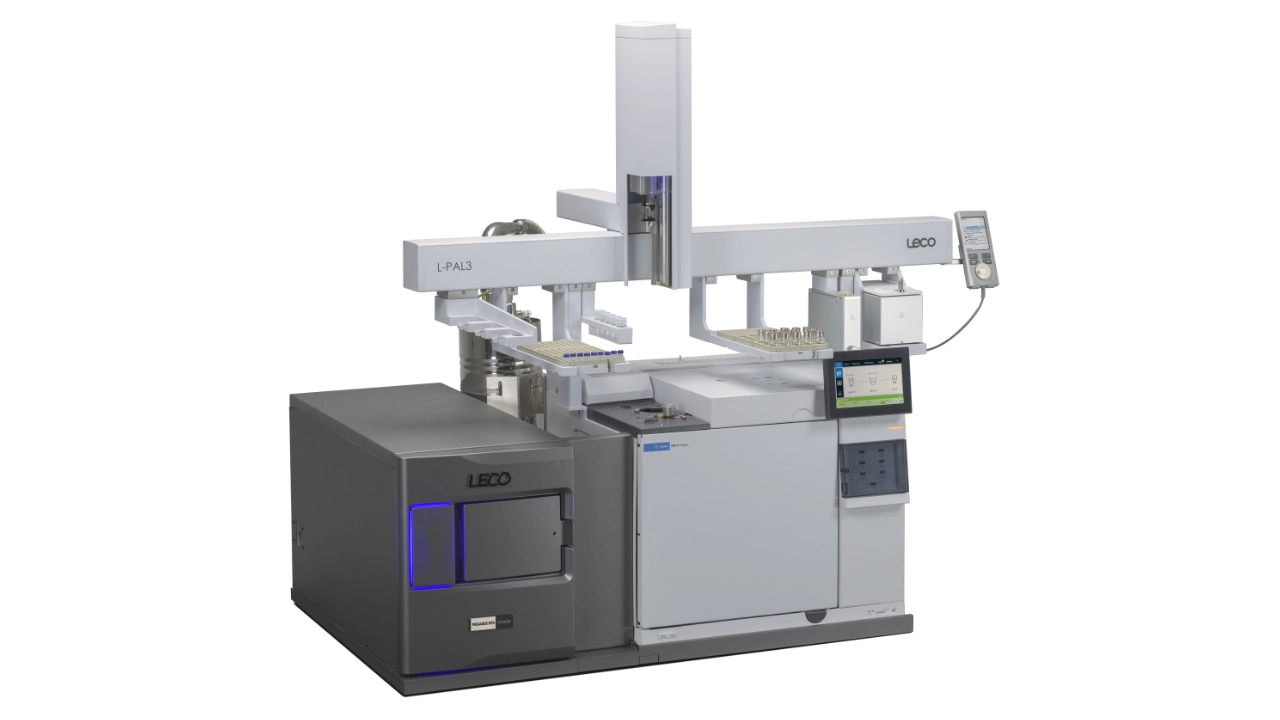
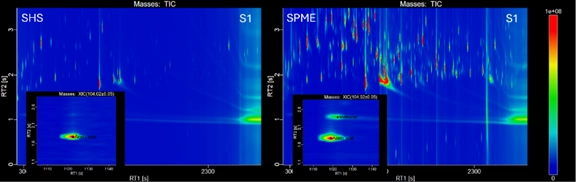
In our application note, “Comparing Cocoa with Pegasus BTX 4D & Sync 2D“, cocoa liqueur samples from different geographic origins are characterized using comprehensive two-dimensional gas chromatography coupled with time-of-flight mass spectrometry (GCxGC-TOFMS). Two sampling approaches are compared—static headspace (SHS) and headspace solid phase microextraction (HS-SPME)—to evaluate extraction efficiency and the resulting volatile fingerprints.
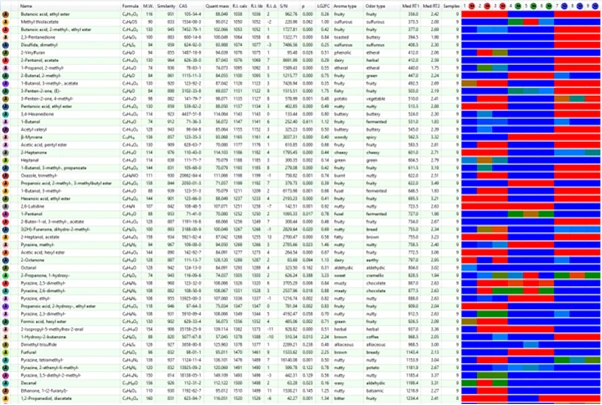
The workflow combines HS-SPME with GCxGC-TOFMS to separate and detect cocoa volatiles, then uses LECO’s advanced software system, ChromaTOF Sync 2D, for data processing and alignment—enabling streamlined comparison across multiple samples (alignment, library searching, and multivariate/statistical comparison).
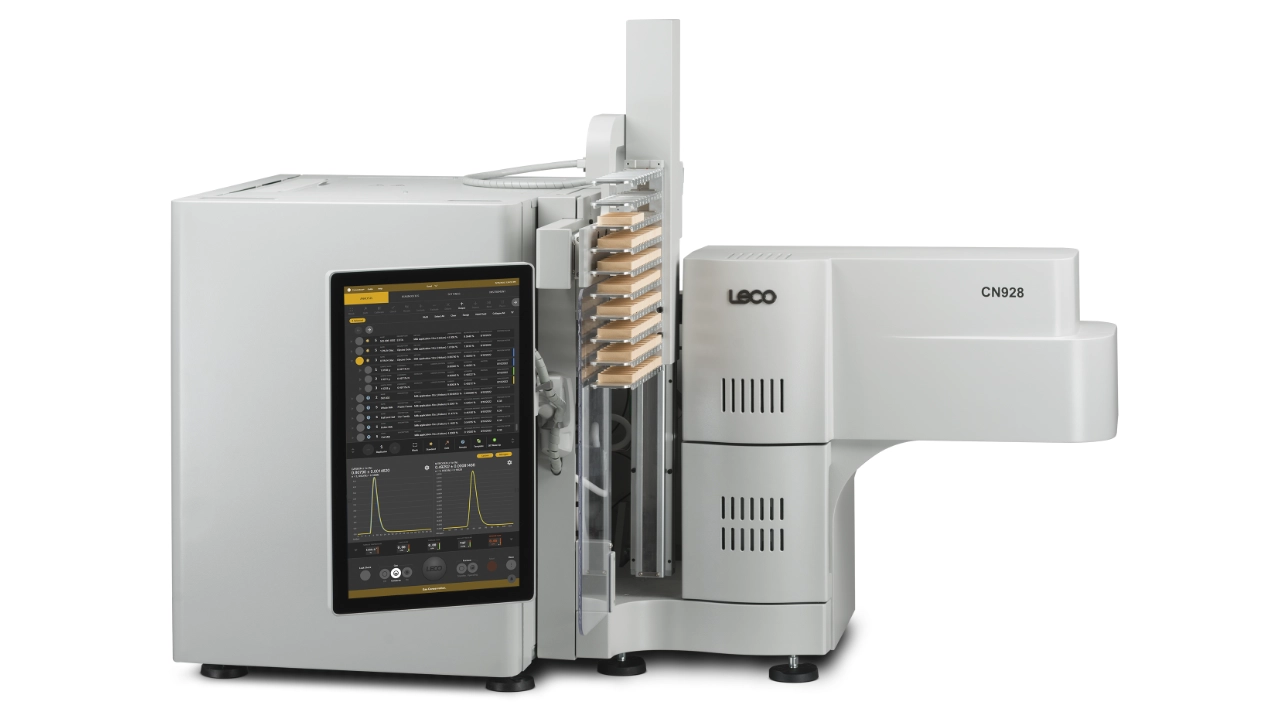
Instruments and Tools Used for Success

With a richer, better-separated volatile fingerprint, you can differentiate origins or lots, track processing impacts, and build comparative profiles that support research and development (R&D) and quality control (QC) whether you’re evaluating chocolate, cocoa ingredients, or chocolate-flavoured liqueurs.
LECO Brings More to the Table
While chocolate is no doubt typically the star of the show, our Valentine’s table also features some common Valentine’s gifts and items centered around the holiday. Valentine’s Day is all about the senses—the aroma of freshly cut roses, the first sip of wine, the richness of chocolate, and the familiar signature of a favourite fragrance. But behind every “romantic” moment is a chemical fingerprint: volatile compounds that define aroma and flavour, trace contaminants that can spoil quality, and compositional patterns that help confirm authenticity and consistency.
That’s why this Valentine’s table makes such a fun (and surprisingly real) analytical showcase. Using LECO workflows, laboratories can profile aromas, detect trace off-notes, verify authenticity, and support quality and compliance across food, beverages, and consumer products. Each example below links to a relevant application note, so you can dive deeper into the methods and results.
Freshly Cut Roses—Profiling the Aroma
Capture a floral volatile fingerprint for nontargeted screening and comparative profiling (e.g., variety, freshness, storage, or processing impacts).
Explore our Aroma and Flavour Resource Hub
Wine—Screening for Cork Taint
Detect cork taint markers—such as TCA—at trace levels using HS-SPME + GC-TOFMS, helping protect sensory quality and reduce costly product complaints.
Read the application note, Quantifying Cork Taint in Wine using GC-TOFMS
Perfume—Authenticity Profiling
Differentiate brand vs. imitation by comparing full compositional profiles with GCxGC-TOFMS and visual pattern-comparison tools, supporting authenticity and brand protection.
Read the application note, Differentiating Original-brand and Imitation Perfumes
Makeup—Fragrance Allergens & MOSH/MOAH
Identify fragrance allergens in cosmetics with GCxGC-TOFMS and support MOSH/MOAH screening approaches for lipstick matrices, helping labs meet safety and compliance expectations.
Read the application note, GCxGC Workflow for Flavor Allergen Compliance
Read the application note, Trust Your Results: Mineral Oil Analysis Workflow
Whiskey—Aroma Profiling
Characterize and compare volatile signatures with SPME-GCxGC-TOFMS to support product differentiation, batch consistency, and maturation/aging studies.
Read the application note, Whiskey Aroma Profiling with GC-TOFMS & Sync
Baked Camembert—Cheese Protein & MOSH/MOAH
Characterize and compare volatile signatures with SPME-GCxGC-TOFMS to support product differentiation, batch consistency, and maturation/aging studies.
Read the application note, Determining Nitrogen/Protein in Cheese with FP828
Read the application note, Trust Your Results: Mineral Oil Analysis Workflow
Crusty Bread—Flour Quality & Consistency
Support flour quality specifications with combustion Nitrogen/protein analysis to monitor protein consistency and baking performance.
Read the application note, Protein Determination in Flour using LECO FP828
From LECO, with love
As you can see, from the first pop of a cork to the last bite of chocolate, Valentine’s Day is full of chemistry worth exploring, and LECO has the right tools to do just that. Whether you’re profiling aroma, confirming authenticity, or screening for contaminants, our solutions provide labs with high-resolution separation, confident identifications, and actionable results across a wide range of industries and applications.

 English
  Spanish
  Japanese
  German
  French
  Portuguese