
Benchtop GC-TOFMS for Unbiased Compound Identification
Pegasus BTX: High-Sensitivity GC-TOFMS

Redefining GC-MS Performance
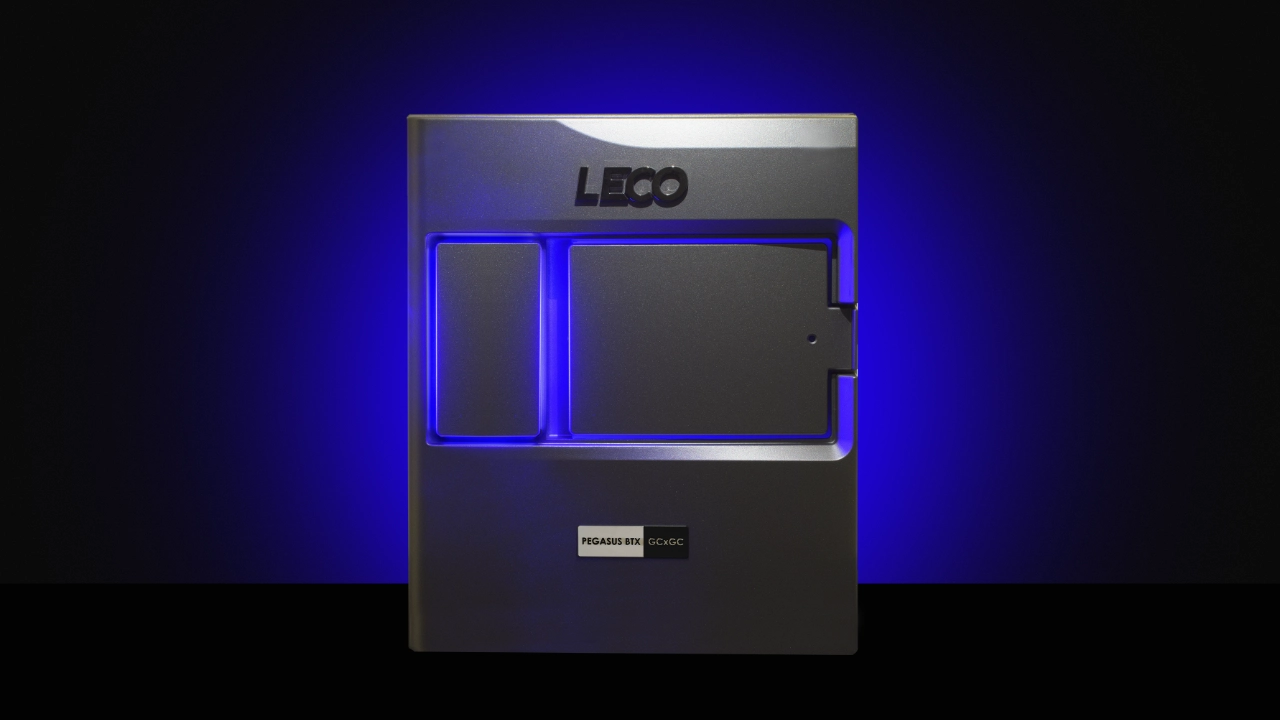
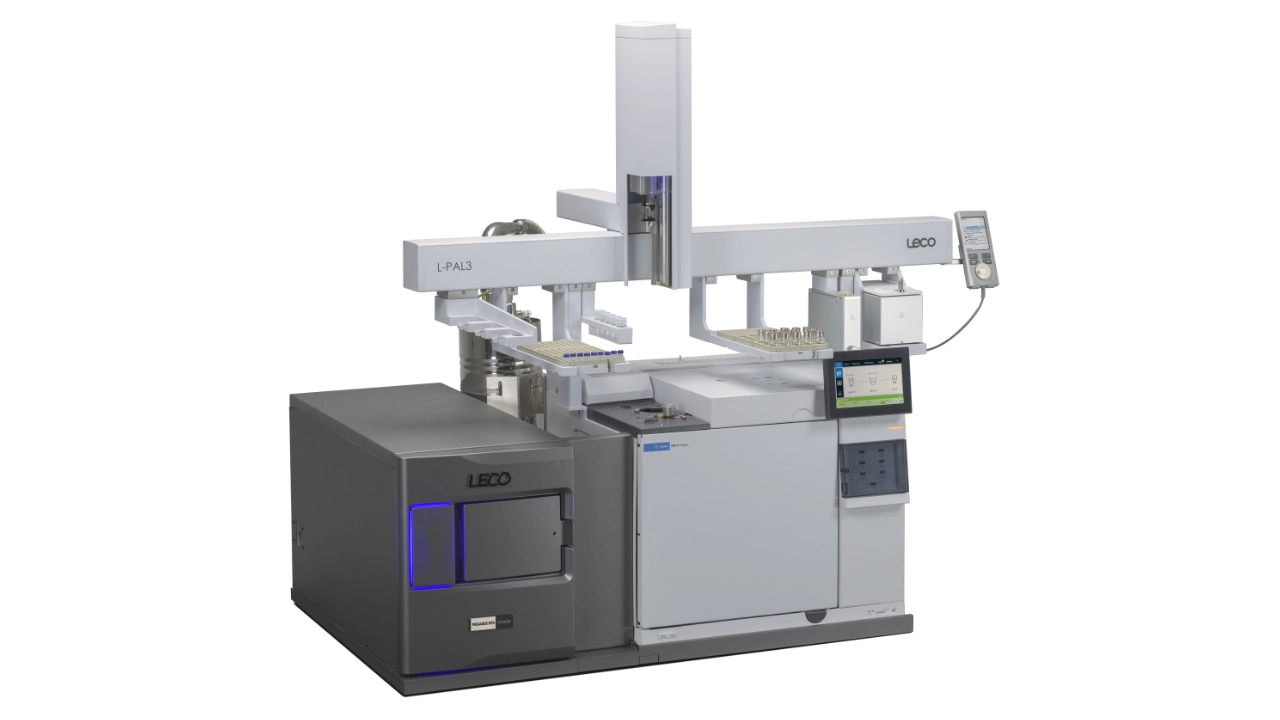
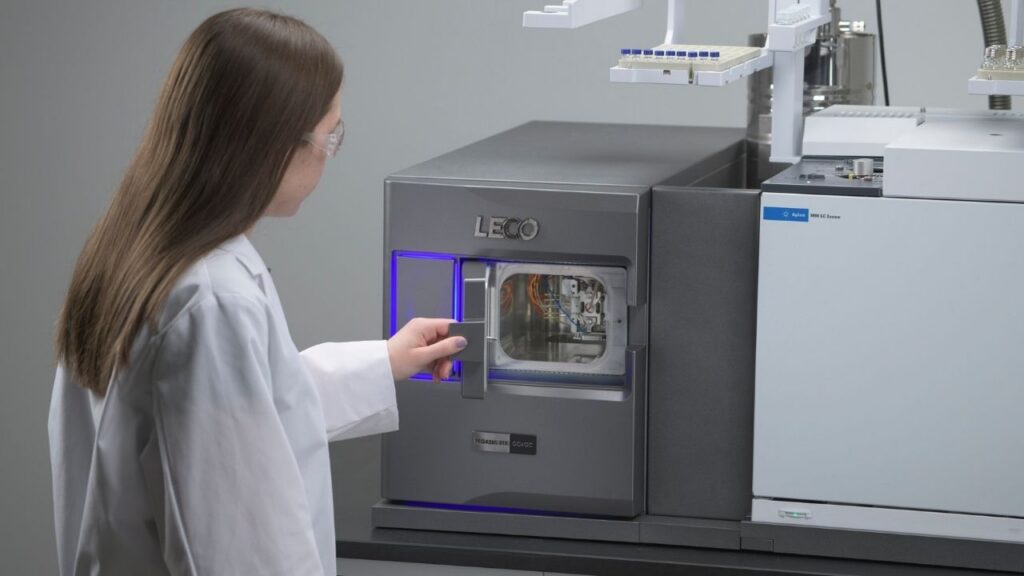
Unlock a new level of sensitivity in non-targeted analyses with the Pegasus BTX and BTX 4D systems. These advanced Gas Chromatography Time-of-Flight Mass Spectrometers (GC-TOFMS) deliver full mass-range acquisition, superior trace-level sensitivity, and automated deconvolution—giving you confident results even in your most complex samples. The Pegasus BTX offers femtogram-level detection and full-spectrum data capture for comprehensive, non-targeted analysis.
Tedious source cleaning is eliminated with the StayClean EI ion source, maximizing instrument uptime. The BTX achieves spectra acquisition rates up to 500 Hz, making it an ideal partner for the narrow peak widths achieved in GCxGC separations. BTX 4D systems pair the BTX with one of LECO’s advanced GCxGC modulators, enabling more thorough characterization of complex samples.
Why Choose the Pegasus BTX Series?

Superior Sensitivity for Trace Detection
The Pegasus BTX Series delivers femtogram-level sensitivity and an extended linear dynamic range (5+ orders of magnitude), ensuring even ultra-trace compounds are detected alongside higher-concentration components in one run. With high ion transmission and a novel detector design, the BTX detects analytes that previously eluded even advanced GC-MS systems.

Fast, Full-Spectrum Acquisition
The BTX acquires full mass-range data at acquisition rates suitable for fast GC and GCxGC separations (up to 500 Hz). The absence of “scanning” artifacts in TOFMS yields cleaner spectra and improves deconvolution capabilities. Full-spectrum acquisition detects every ion, even when performing targeted analyses. Data files record a complete characterization of the sample that can be reinvestigated as targets evolve or new analytes of interest emerge.
Versatile Performance, Reduced Maintenance
The Pegasus BTX excels in a wide variety of volatile and semi-volatile analyses. Its versatility stems from the ability to achieve detection limits commonly associated with targeted methods, even while performing comprehensive, non-targeted analyses.
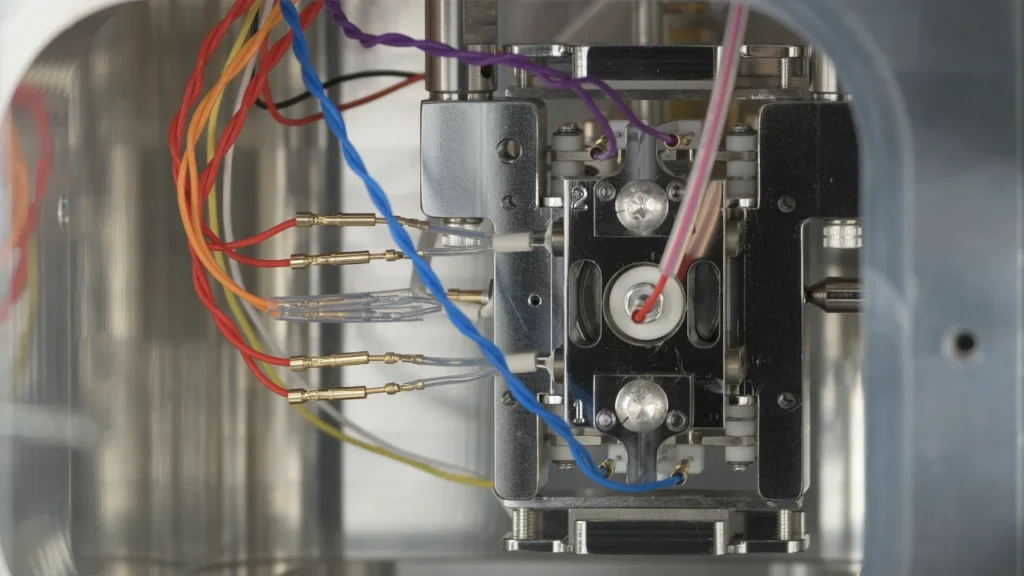
To support sustained productivity in every lab, the BTX incorporates LECO’s StayClean ion source, engineered for consistent performance without the need for source cleaning. By reducing maintenance frequency, laboratories can increase throughput even when working with high-matrix samples.
Comprehensive GCxGC Solutions
With such fast acquisition rates, the BTX is the perfect partner for the narrow peak shapes produced in GCxGC. LECO’s BTX 4D instrument packages pair the BTX with one of LECO’s premier GCxGC modulators for improved chromatographic resolution.
BTX 4D systems featuring LECO’s QuadJet modulator achieve sub-femtogram sensitivity and offer the best chromatographic resolution. BTX 4D systems featuring LECO’s Paradigm flow modulator and Shift flow splitter provide economical GCxGC performance across the entire volatility range, in addition to supporting dual detection capabilities.
Combined with the power of LECO’s ChromaTOF software, BTX 4D systems offer premier GCxGC-MS data quality and user experience.
Instrument Applications
Core Analyses
Featured Application Notes

Characterization of Fischer-Tropsch Synthetic Paraffinic Kerosene and Traditional Aviation Turbine Fuel
Characterization of Fischer-Tropsch Synthetic Paraffinic Kerosene and Traditional Aviation Turbine Fuel

Characterizing Thyme Varieties with GC-TOFMS
Characterizing Thyme Varieties with GC-TOFMS

Enhanced PFAS Workflow with High Performance GC-TOFMS
Enhanced PFAS Workflow with High Performance GC-TOFMS

Detecting Low-Level Features with GCxGC in Basil
Detecting Low-Level Features with GCxGC in Basil

Non-Target Characterization of Molasses with GC-TOFMS
Non-Target Characterization of Molasses with GC-TOFMS

Identifying Heteroatomic Species in HTL Pyrolysis Gasoline
Identifying Heteroatomic Species in HTL Pyrolysis Gasoline
How the Pegasus BTX Works
The LECO Pegasus BTX is a gas chromatography–mass spectrometry (GC‑MS) system designed for the detection and identification of trace‑level organic compounds in complex samples. It is optimized for high sensitivity and robustness, making it well suited for routine and challenging applications such as environmental monitoring, petrochemical characterization, derivatized metabolites, and many more. The system is frequently paired with comprehensive two‑dimensional gas chromatography (GCxGC) to increase separation capacity for samples containing many co‑eluting components.
Samples are introduced into the system through a gas chromatograph, where volatile and semi‑volatile compounds are separated based on their interactions with the stationary phase of the GC column. In one‑dimensional GC operation, analytes elute sequentially from a single column. When configured for GCxGC, the system uses two columns of differing selectivity connected by a device called a modulator.
Following chromatographic separation, compounds enter the Pegasus BTX mass spectrometer ion source, where they are ionized by the StayClean electron ionization (EI) ionization source. The unique open-style geometry of the StayClean source prevents it from fouling due to matrix exposure – aside from periodic filament changes, most users never maintain or clean their ion source! The resulting ions are accelerated into a time‑of‑flight (TOF) mass analyzer with pulse transients up to 35 kHz. In the TOF analyzer, ions are separated according to their mass‑to‑charge ratio by measuring the time required for each ion to travel from the source to the detector.
Because the system collects full spectral data without mass filtering, both known and unknown compounds can be evaluated post‑analysis without re‑running samples.
Instrument Details
Specifications
Models
Model Comparison
Options
Instrument Support
Ensure reliable instrument performance with extensive support, training, and maintenance services. Need tailored support for your mass spectrometers? Our experts are standing by.
Events
Webinars, Showcase, Conferences and Tradeshows





 English
  Spanish
  Japanese
  German
  French
  Portuguese