
Carbon Analysis & Testing

Why Measure Carbon in Materials?
Carbon is a critical element found in nearly all materials—metals, ceramics, plastics, fuels, soil, and water. Its concentration affects physical properties and performance, making accurate measurement essential for quality control, environmental monitoring, and energy applications.
In metals, carbon content dramatically influences mechanical properties. For example, steel’s strength and flexibility depend on its carbon percentage. Even a small variation can shift steel from ductile to brittle. Manufacturers test carbon to ensure materials meet specifications for durability and weldability. In high-purity metals and electronics, trace carbon contamination can cause defects.
Organic materials—derived from living organisms or fossil sources—are built from carbon-based compounds. Carbon content determines energy value in fuels, soil fertility, and pollution levels in water. Environmental monitoring uses total organic carbon (TOC) to assess water quality and ecosystem health, while fuel testing relies on carbon content to evaluate combustion performance.
Advances in Carbon Measurement
Historically, carbon analysis relied on slow chemical methods. The 1930s saw a breakthrough with combustion analyzers that burned samples and measured CO₂ output, drastically reducing analysis time. Modern instruments offer fast, precise, and automated testing, essential for today’s industrial and environmental needs.
Organic vs. Inorganic Carbon
To accurately analyze the carbon content in a material, we distinguish between organic carbon (complex molecules bonded with hydrogen, such as plant matter) and inorganic carbon (mineral-based forms like carbonates and dissolved CO₂). Since most samples are a blend of the two, analytical instruments are designed to calculate specific values:
- TIC: Total Inorganic Carbon (the mineral content)
- TOC: Total Organic Carbon (the biological content)
- TC: Total Carbon (the sum of both)
Carbon in Inorganic Materials

In metals and ceramics, carbon plays diverse roles. In steel, it’s a key alloying element—mild steel contains 0.05–0.25% carbon, while cast iron has over 2%. Precision is vital; small changes can lead to structural failures. Carbon also appears in graphite, carbides, and as trace contamination in high-purity metals.
Why Test Carbon in Inorganic Materials?
- Control Strength and Safety: Carbon levels determine whether steel meets mechanical requirements. Incorrect levels can cause brittle fractures or soft, ineffective tools.
- Guide Production: Real-time carbon analysis helps manufacturers adjust processes during production, preventing off-spec materials.
- Ensure Performance: Specialized properties like corrosion resistance in stainless steel or conductivity in graphite electrodes depend on precise carbon levels.
- Diagnose Issues: Carbon testing reveals manufacturing problems like uneven furnace reactions or contamination.
- Meet Standards: Industry specifications and emissions regulations require documented carbon content for compliance and certification.
Carbon in Organic Materials

Organic materials—fuels, soil, food, and plastics—are defined by carbon. Its content reveals energy value, soil health, and pollution levels. Coal grades vary by carbon percentage, affecting heat output. Soil organic carbon (SOC) supports fertility and structure.
Why Test Carbon in Organic Materials?
- Protect the Environment and Climate: TOC in soil indicates ecosystem health and pollution. Soil carbon is key to climate research and carbon sequestration.
- Guide Agriculture: Carbon testing informs fertilizer use and soil management. Compost and crop residues are analyzed to optimize nutrient cycling.
- Evaluate Fuels: Carbon determines fuel quality and CO₂ emissions. Accurate testing ensures proper pricing and regulatory compliance.
- Manage Waste: Organic carbon testing helps control landfill emissions and track remediation progress.
- Comply with Regulations: Environmental standards require carbon measurements for water safety, waste discharge, and agricultural programs.
Carbon Testing Instruments
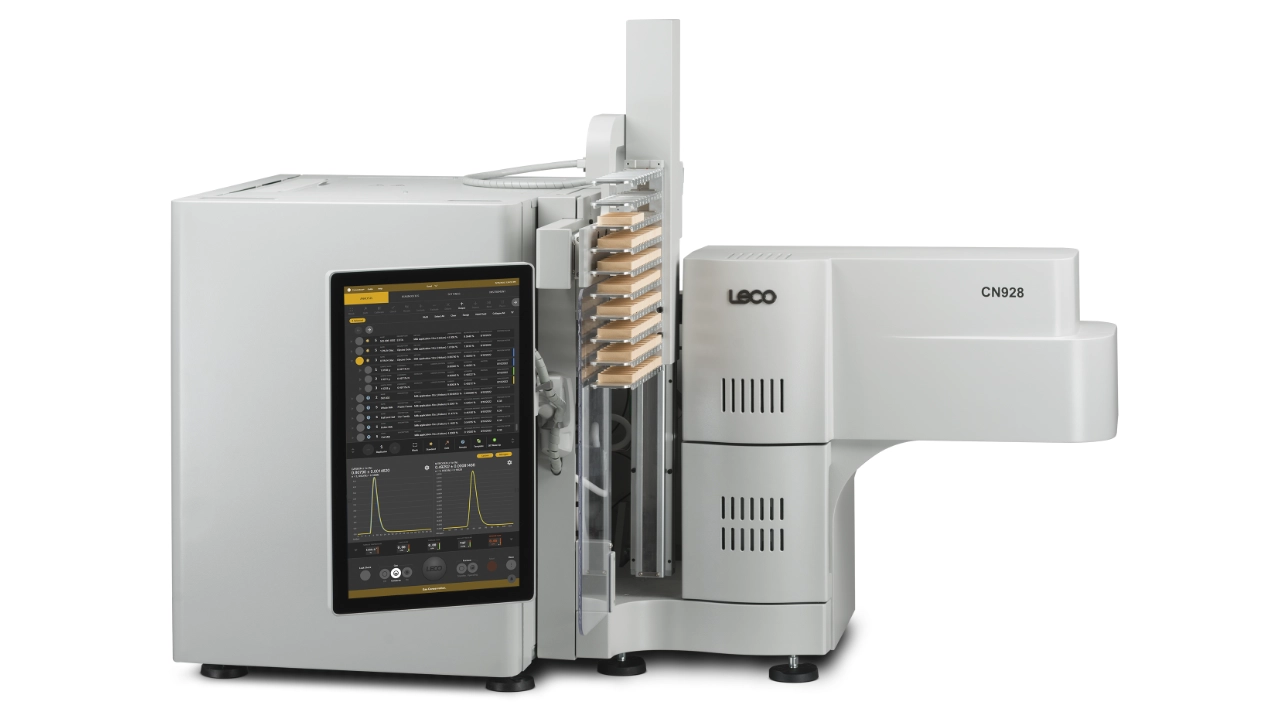
Whether optimizing steel strength or tracking soil health, accurate carbon analysis empowers industries to make informed decisions, comply with regulations, and drive innovation. Explore our instruments that are essential for understanding material properties, ensuring quality, and protecting the environment.


 English
  Spanish
  Japanese
  German
  French
  Portuguese