
Veröffentlicht am
The Importance of Analyzing Total Organic Carbon in Soil in Regenerative Agriculture

As agriculture practices shift to be more sustainable and regenerative, the focus on soil health is growing. Soil is no longer seen as just a growing medium, but as a living, teeming ecosystem. At the heart of this transformation is Total Organic Carbon, a key indicator of soil vitality, fertility, and its ability to sequester carbon from the atmosphere.
Why Total Organic Carbon in Soil Matters in Regenerative Agriculture
Total Organic Carbon (TOC) represents the carbon stored in soil organic matter, which plays a vital role in supporting microbial life, improving nutrient availability, and enhancing soil structure. These benefits translate directly into better water retention, reduced erosion, and more resilient crops—all essential outcomes for regenerative systems aiming to restore ecosystems while maintaining productivity.
TOC is also central to carbon sequestration within soils, a cornerstone of climate-smart agriculture. By increasing organic carbon in soils, farmers can help to store carbon from the atmosphere while also improving long-term soil fertility. Practices like intensive tillage or overharvesting can deplete organic carbon in soil. Routine, precise analysis is essential for maintaining and improving soil health over time.
TOC Analysis: A Critical Step Toward Smarter Soil Management
To harness the benefits of organic carbon, growers must first understand how much is present in their soil. Regular TOC analysis allows farmers to:
- Track the impact of regenerative practices, like cover cropping, reduced tillage, and compost application;
- Optimize soil amendments to build organic matter without over-applying inputs; and
- Monitor carbon sequestration progress as part of sustainability or carbon programs.
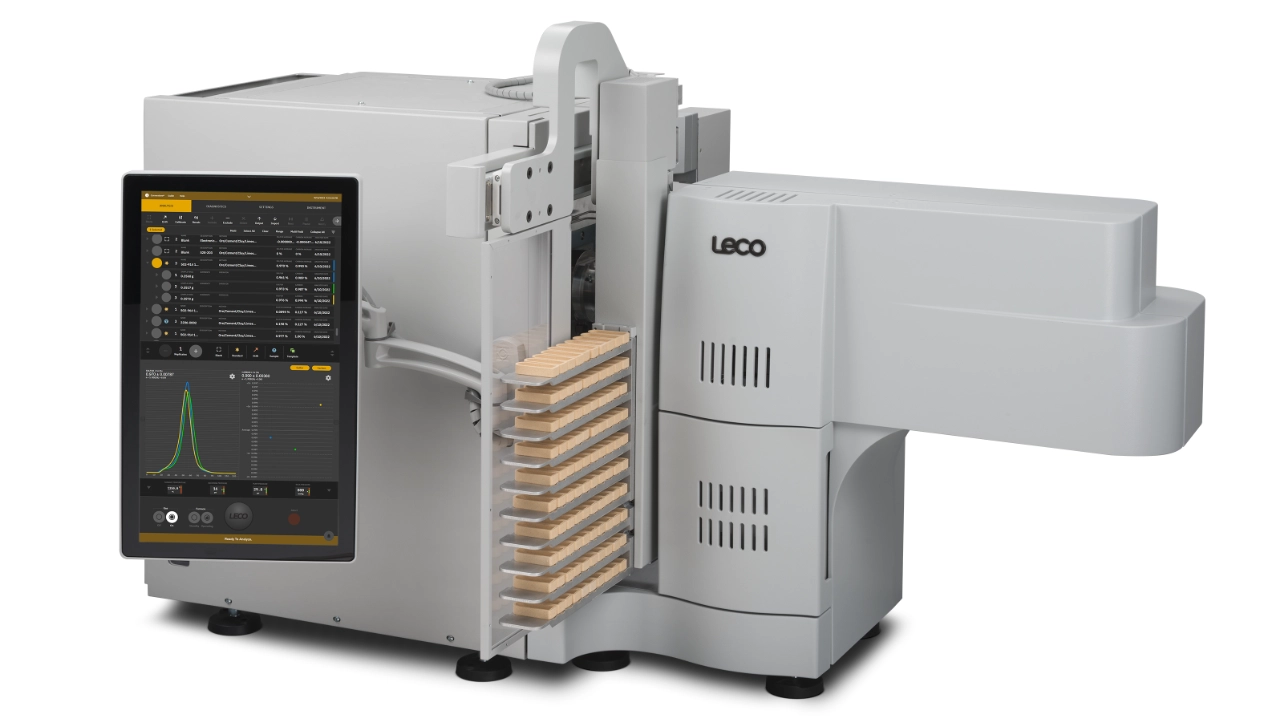
Fast, Accurate TOC Analysis with LECO Solutions
The most common method for determining total organic carbon is acid digestion combustion, where inorganic carbon is removed via acid treatment, leaving only the organic fraction for analysis.
LECO’s 832 Series streamlines this process with a high-efficiency combustion furnace and advanced IR detection, delivering fast, accurate, and reproducible results. To further enhance efficiency, LECO’s Non-Porous Ceramic Boats allow acid treatment to occur directly in the combustion vessel, eliminating the need for multiple transfers and reducing the risk of contamination or loss.
Supporting the Future of Sustainable Agriculture
As regenerative agriculture continues to expand, so does the need for high-throughput, reliable TOC analysis. Whether you’re managing a research lab, supporting carbon farming initiatives, or simply working to improve your soil, LECO’s solutions are designed to meet the demands of modern, sustainability-focused agriculture.

Vergleich verschiedener Säuretypen zur Entfernung von Karbonaten aus dem Boden für die Bestimmung des gesamten organischen Kohlenstoffs unter Verwendung des LECO C832
Gain practical guidance for accurate TOC analysis and data interpretation in various soil types.
Bei Bedarf
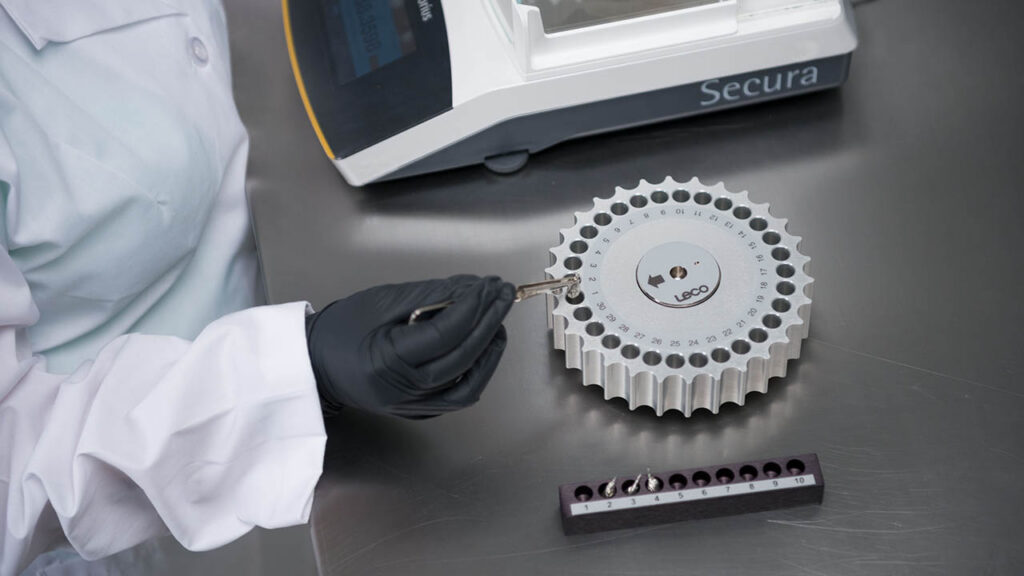
Säureaufschluss zur Bestimmung von Gesamt-Kohlenstoff in Gesteinsproben
Das LECO C832 misst den Gesamtgehalt an organischem Kohlenstoff in Boden, Gestein und Schiefer mittels Makroverbrennung und unterstützt damit die Kohlenwasserstoffexploration, die Landwirtschaft und die Qualitätskontrolle.
203-821-679



 English
  Spanish
  Japanese
  German
  French
  Portuguese