
Publicado el
Webinars de construcción de bases sólidas
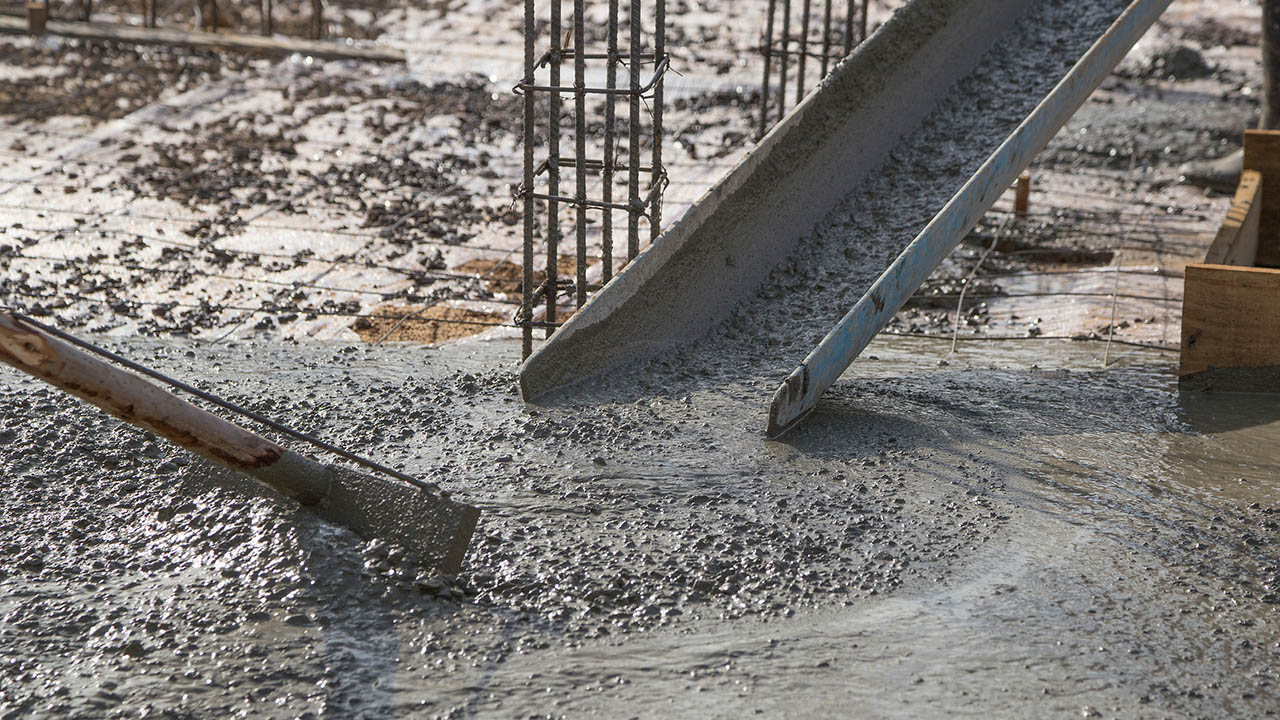
Cement forms the basis of virtually the entire worlds’ infrastructure. Despite its ubiquity, it is a surprisingly complex mixture of ingredients, such as lime, silica, alumina, and more. Some of these ingredients are known for releasing greenhouse gases into the atmosphere during production processes. As we look towards a more sustainable future, it’s not only important to know what all is in your cement, but also what the best eco-friendly alternatives are out there for producing cement are and how implementing them will affect production and end results.
Just below, you’ll find a four-part webinar series that provides an in-depth exploration of the analysis of cement and other associated building materials, showcasing how LECO instruments are at the top level for efficiency and innovation within the industry.
Following that, explore our collection of application notes that dive into the science and show real world examples of the performance of our analyzers.
Aprende más
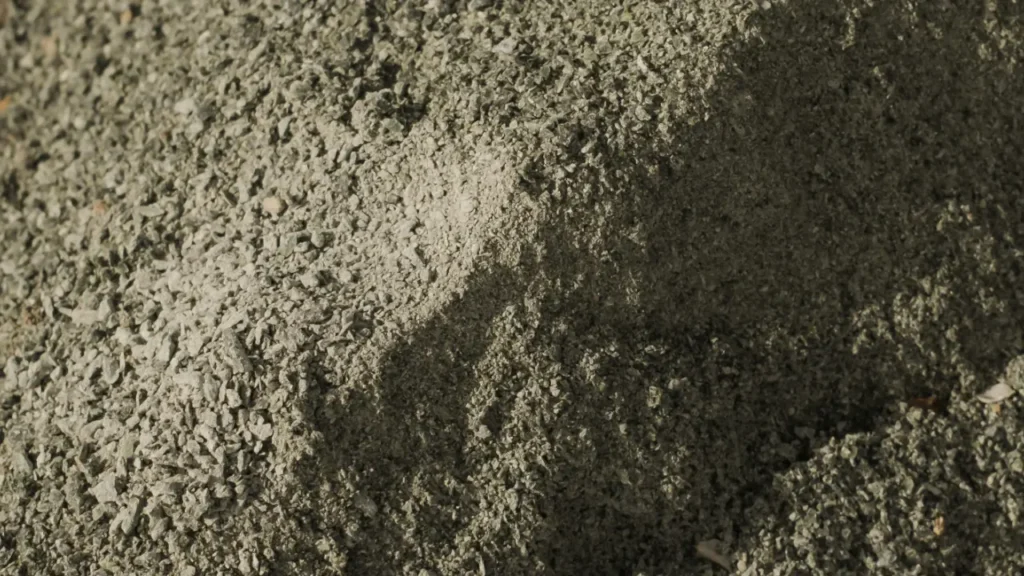
Determinación de azufre y carbono totales en cemento y materias primas
On Demand

Determinación de Humedad y Pérdida por Ignición en Cemento, Ceniza Volante, Yeso y Cal
On Demand

Carbono y Nitrógeno en Adhesivos, Laminados y Tableros de Fibrocemento
On Demand
Preparación y Examen del Clinker de Cemento
On Demand
Notas de aplicación
Sulfur and Carbon in Cement, Clay, Fly Ash, Limestone, Soil, Ore using SC832 – Outlines typical results of LECO instruments for determination of Sulfur and Carbon in cement, coal fly ash, limestone, soils, and ores.
LOI in Combustion Residues using TGA801 – Sample preparation, method, procedure, and results for determining LOI in combustion residues using the TGA801.
Sulfur and Carbon in Coal, Coke using SC832 – Sample preparation, method, procedure, and results for determining Sulfur and Carbon in coal and coke samples. Compares results of two instruments.
Determinación de Humedad, Volátiles y Cenizas en Biomasa/Tejido Vegetal – Outlines typical results for determining moisture, volatile matter, and ash with thermogravimetric analysis.
Calor Bruto en Combustibles y Biomasa – Sample preparation, method, procedure, and typical results for determining to gross calorific value of biomass materials and fuel oils.


 English
  Spanish
  Japanese
  German
  French
  Portuguese