
Carbon, Hydrogen, Nitrogen, Sulfur & Protein Analysis of Organic Materials
828/928 Series Elemental Analyzers


Introducción
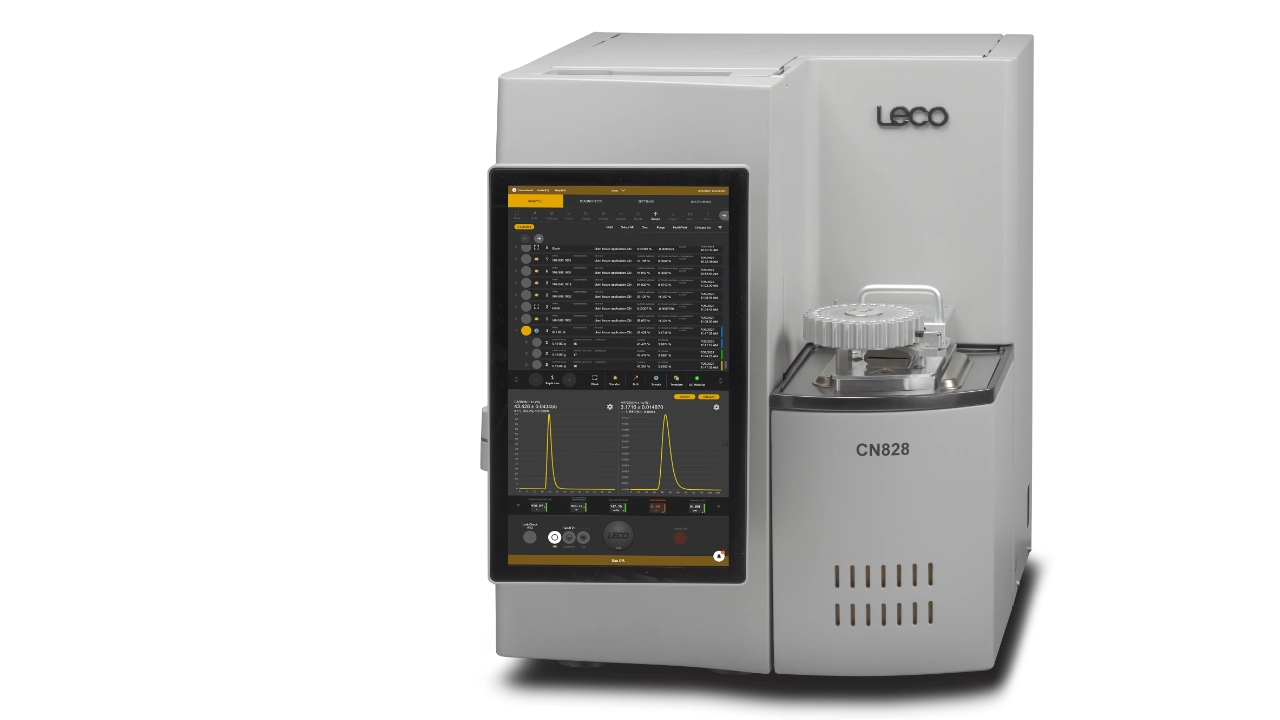
The LECO 828/928 Series instruments are high performance combustion analyzers designed for fast, accurate determination of carbon, hydrogen, nitrogen, sulfur, and protein across a broad range of organic materials—including foods and feeds, soils and plant tissues, fuels, plastics, and fertilizers. This series provides the flexibility, precision, and productivity required for confident elemental and protein determination in modern analytical workflows.
Why Choose the LECO 828/928 Series?
High Throughput Analyses
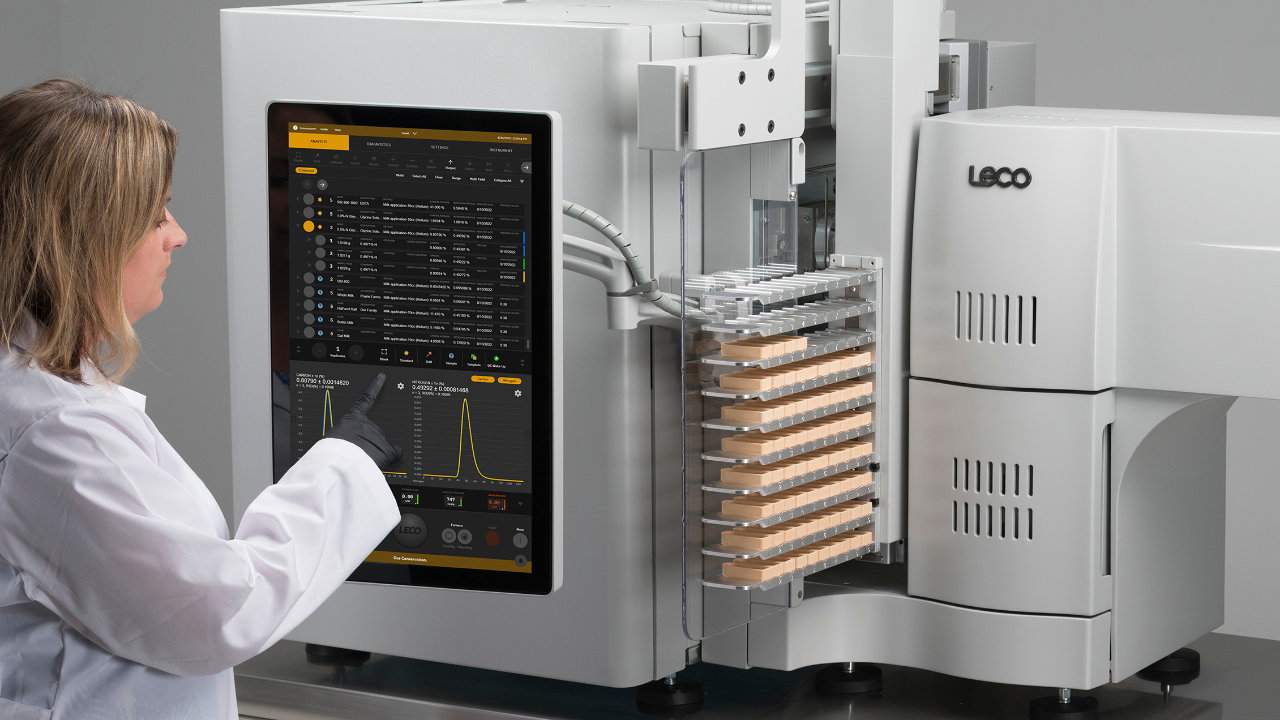
Both systems maximize throughput via interleaving analysis, where sample loading, combustion, and measurement steps overlap to reduce cycle time. Rapid analysis cycles (~2.8 minutes with the 828; ~5 minutes with the 928) enable high‑volume workflows without sacrificing accuracy.
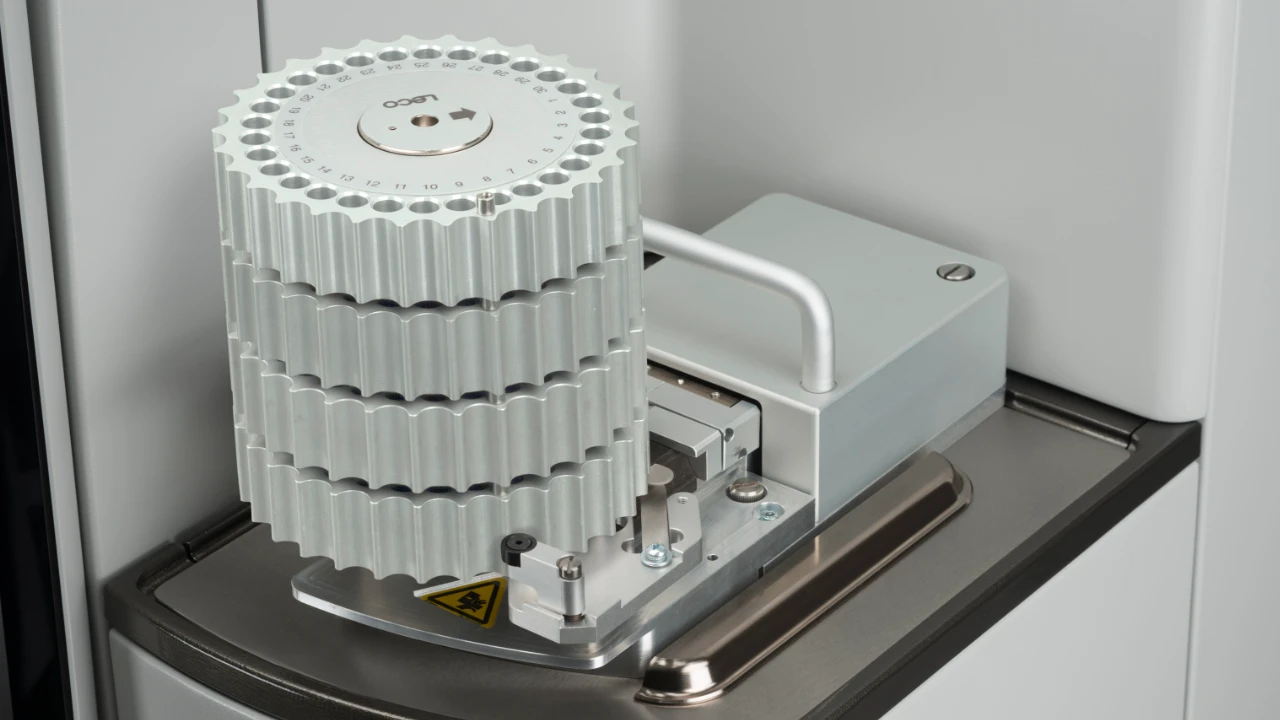
Effortless Automation
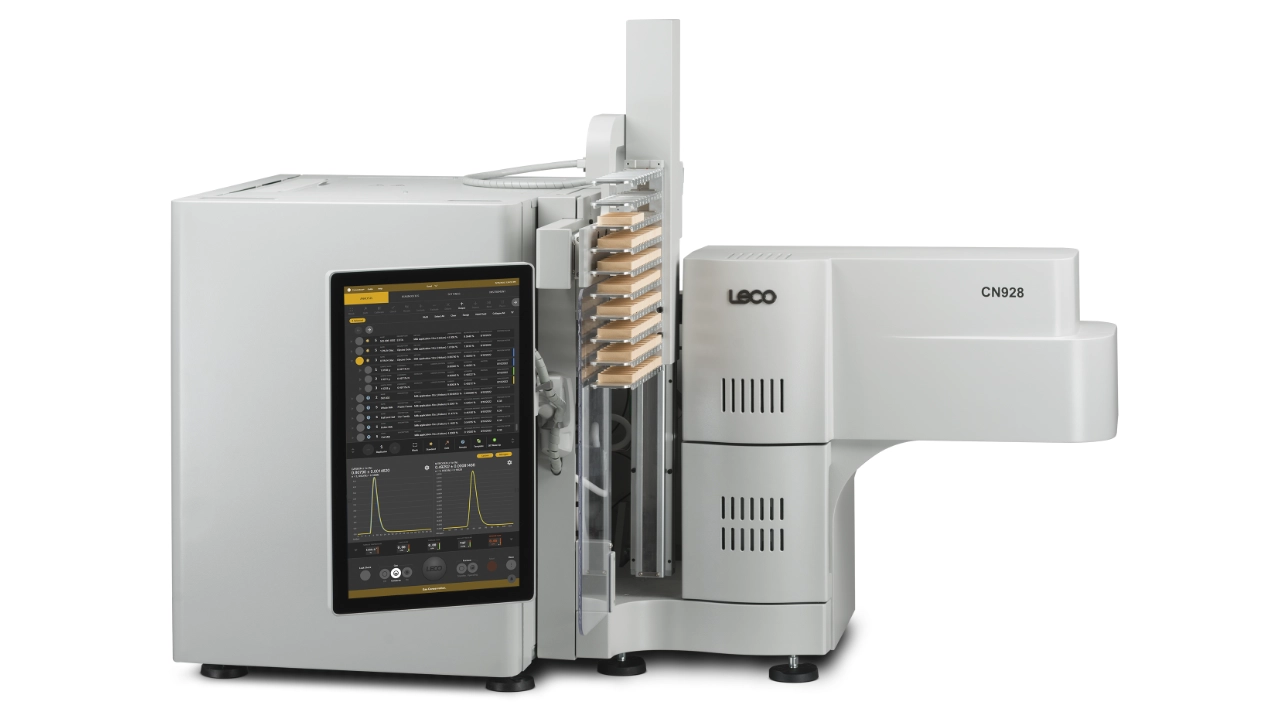
Engineered to minimize manual intervention, the 828/928 Series allows operators to focus on data rather than sample management. The 828 features a standard 30-sample autoloader (expandable to hold 120 samples), and the 928 is equipped with a 100-sample autoloader, capable of both sequential and non-sequential analysis.
Supported by the intuitive Cornerstone software, users can prepare large, unattended batches and prioritize samples as needed. This flexible automation ensures that your laboratory maintains high throughput without the need for constant supervision.

Macro Sample Sizes
While the 828 excels at standard laboratory sample sizes, the 928 expands capacity with a high‑temperature horizontal furnace and macro‑sample handling (up to 3 g)—ideal for bulky, low‑density, or difficult-to-homogenize materials. This ensures representative results even for challenging matrices.

Unmatched Reliability
Extended reagent life, robust furnace design, and simplified consumable systems (such as whole oxygen, reagent-free furnace (FP/CN/CNS), and thermoelectric moisture removal (FP/CN) keep both platforms running with minimal downtime. Consistent performance day after day reinforces reliability and confidence in every result.
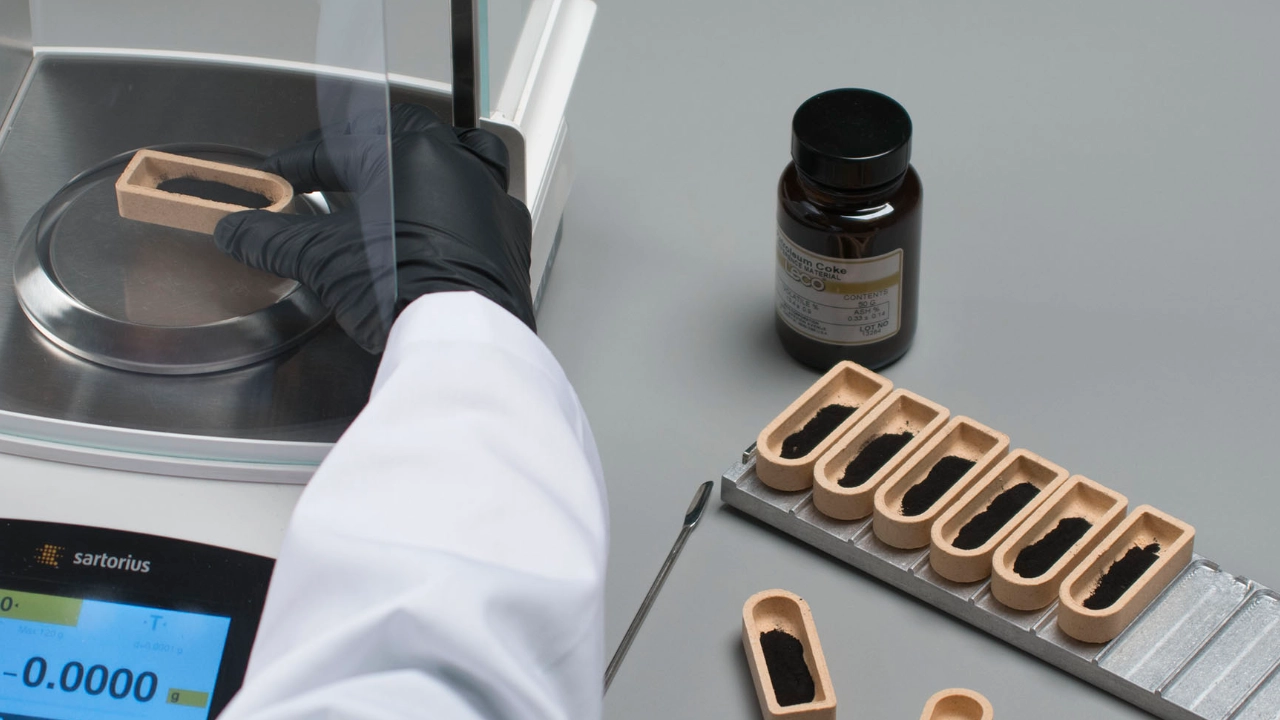
Sample Flexibility and Method Simplicity
Analyze a wider range of sample types with FP and CN configurations, supporting liquids, solids, and slurries for greater workflow flexibility. Many routine applications, especially food and agricultural nitrogen analysis, can be complete using a single method.
Together, these capabilities reduce method management and increase daily laboratory throughput.
Dumas Method for Protein Determination
The 828/928 Series determines nitrogen—and by extension, protein—using the Dumas combustion method: a quicker and less hazardous alternative to traditional Kjeldahl analysis. In this process, a precisely weighed sample is combusted in a high-temperature, whole oxygen environment, converting its nitrogen content into NOx. The resulting NOx is reduced to N2 and measured by a thermal conductivity detector, providing accurate determination of total nitrogen.
Once nitrogen is quantified, the instrument applies an appropriate nitrogen-to-protein conversion factor to generate reliable protein values for foods and feeds. Because Dumas analysis requires no corrosive reagents, digestion steps, or hazardous waste handling, it delivers a cleaner, faster, and more sustainable workflow than wet-chemical methods—ideal for laboratories prioritizing speed, safety, and accurate protein results.
Instrument Applications
Featured Application Notes
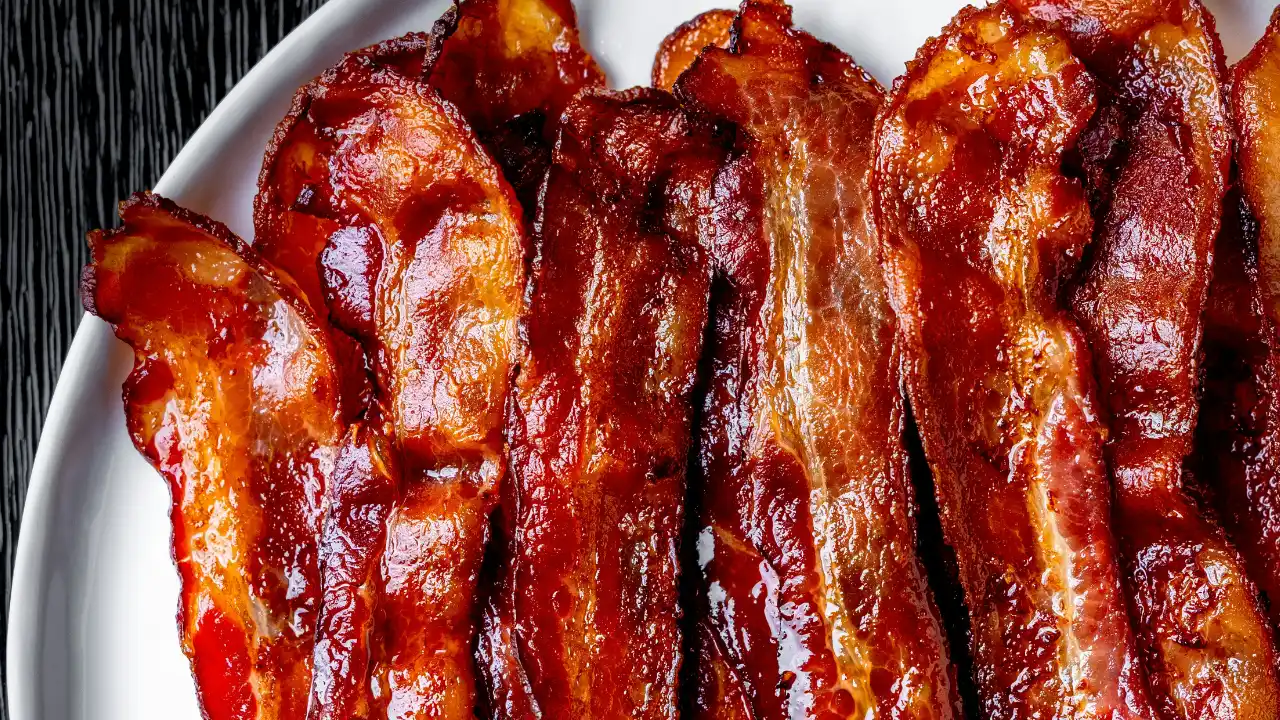
Determination of Nitrogen and Protein in Meat and Meat Products
Determination of Nitrogen and Protein in Meat and Meat Products
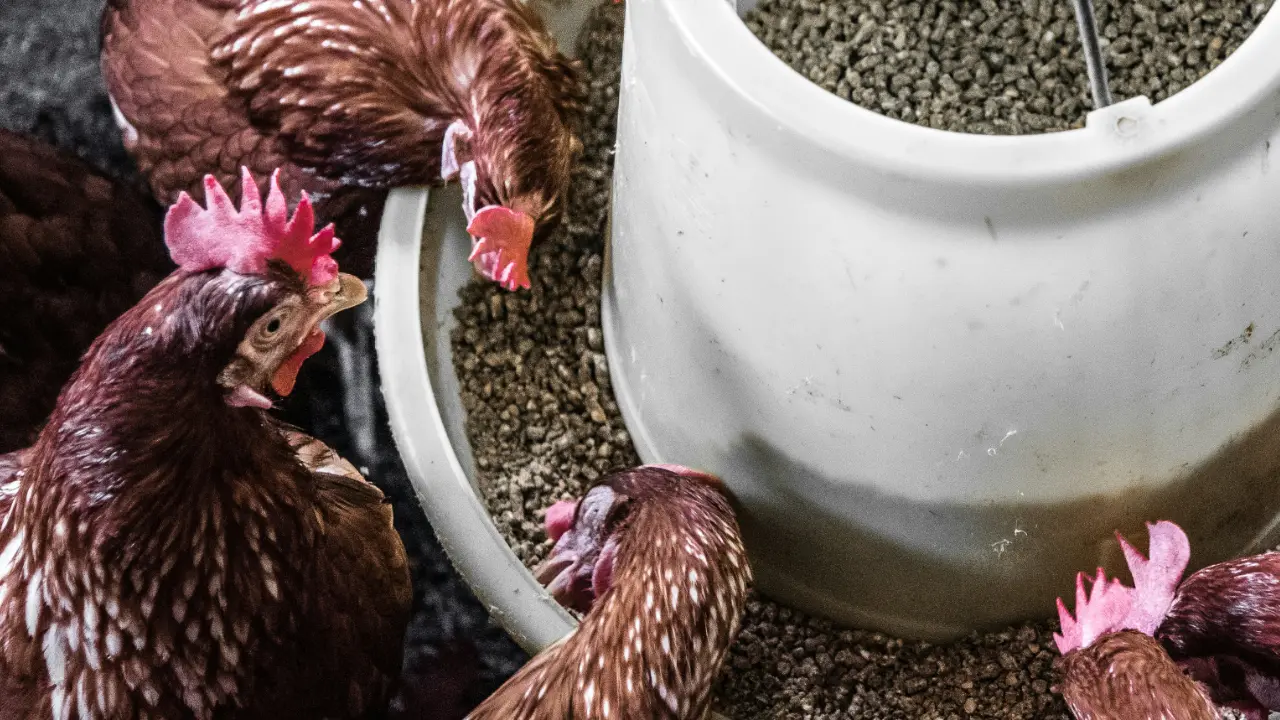
Determination of Nitrogen/Protein in Feeds, Grains, and Pet Food
Determination of Nitrogen/Protein in Feeds, Grains, and Pet Food

Determination of Protein in Flour with FP828
Determination of Protein in Flour with FP828
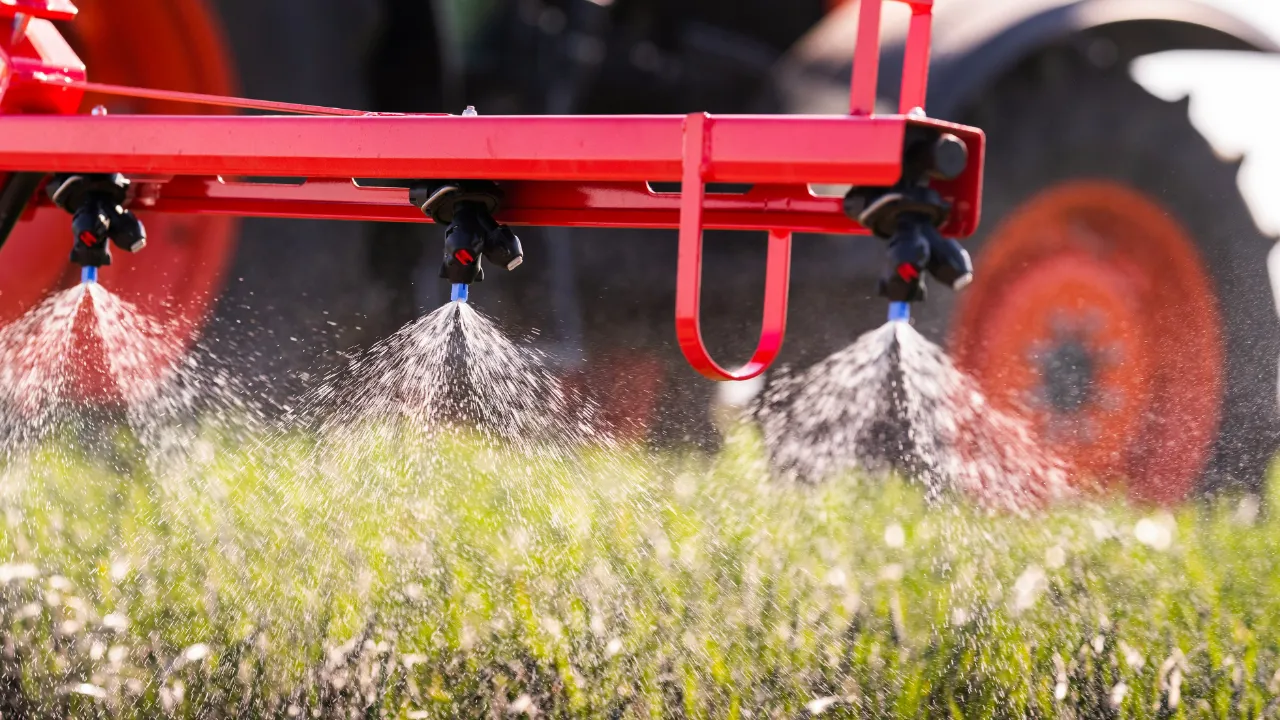
Determination of Nitrogen in Fertilizer
Determination of Nitrogen in Fertilizer

Using CN828 to Determine Carbon and Nitrogen in Soil
Using CN828 to Determine Carbon and Nitrogen in Soil

Determination of Carbon, Hydrogen, and Nitrogen in Coal
Determination of Carbon, Hydrogen, and Nitrogen in Coal
How the LECO 828/928 Series Works
The LECO 828/928 Series analyzers measure elements such as carbon and nitrogen (protein) in organic materials such as foods, feeds, soils, fuels, and fertilizers. Certain models also allow for hydrogen or sulfur analysis. Both systems rely on high‑temperature combustion in a complete oxygen environment to break samples down into gases that can be measured quickly and accurately.
The 828 Series is designed for routine‑sized samples. Each sample is weighed into a tin capsule or foil and placed into a sealed purge chamber where entrained atmospheric gas is removed. The sample is then dropped into a hot, whole oxygen environment, reagent-free furnace (FP/CN), where the sample combusts rapidly. During this process, its carbon, nitrogen, and hydrogen are converted into simple gases like CO₂, NOx, and H₂O. In the FP and CN models, the combustion gases are swept from the furnace through a prechiller and thermoelectric cooler to remove moisture without chemical reagents, then collected in a controlled ballast volume. The CHN828 model includes furnace reagent in the afterburner to remove sulfur compounds from the gas stream before being collected in the ballast.
The 928 Series works similarly but is built for much larger samples (up to 3 g) and higher temperatures. Instead of capsules, samples are placed in ceramic boats and loaded into a high‑capacity autosampler. The horizontal, reagent-free furnace operates at elevated temperatures (up to 1450 °C), and an additional oxygen stream is delivered directly to the sample through a ceramic lance to guarantee complete combustion—even with bulky or difficult materials. For the FP and CN models, moisture is removed from the gas stream without chemical reagents, utilizing a prechiller and thermoelectric cooler. The analytes are collected in a controlled ballast chamber, where they stabilize before being measured. The CNS model includes an additional detector for sulfur determination.
In both systems, the combustion gases are collected in a ballast from which an aliquot is taken. This portion of the gas mixture is carried to nondispersive infrared detectors (NDIR) that detect how each gas absorbs specific wavelengths of light, and thus measures the amounts of carbon, hydrogen, and sulfur present in the sample. Nitrogen, however, is measured using a thermal conductivity detector that measures gas composition by detecting changes in heat transfer.
LECO’s Cornerstone software keeps the process moving efficiently using interleaving analysis so that one sample can be analyzed while the next is being prepared. Once analysis is complete, results are automatically calculated and reported in common units, such as weight percent or parts per million.
Instrument Details
Specifications
Models
Model Comparison
Options
Applicable Methods
LECO 828 & 928 Series conform to these approved methods.
AOAC 990.03 Crude Protein in Animal Feed
AOAC 992.15 Crude Protein in Meat, Meat Products, and Petfoods
AOAC 992.23 Crude Protein in Cereal Grain and Oil Seed Products
AOAC 993.13 Nitrogen in Fertilizer
AOAC 997.09 Nitrogen and Protein in Beer, Wort, and Brewing Grains
Instrument Support
Ensure reliable instrument performance with extensive support, training, and maintenance services. Need tailored support for your elemental analyzers? Our experts are standing by.
Events
Webinars, Showcase, Conferences and Tradeshows





 English
  Spanish
  Japanese
  German
  French
  Portuguese