
Sulfur Analysis & Testing

Sulfur is a versatile element with a distinct dual nature: in industrial and construction processes, it is frequently treated as a problematic impurity that must be tightly controlled, while in biological systems, it serves as a fundamental nutrient for life.
Understanding the precise concentration of sulfur is critical for maintaining structural integrity in heavy materials, meeting stringent global environmental standards for fuel emissions, and ensuring the health and productivity of agricultural soil. Accurate measurement provides the necessary insights to mitigate sulfur’s destructive potential in manufacturing while optimizing its essential contributions in the field.
Why Measure Sulfur in Materials?
In manufacturing and construction, sulfur is often an unwanted guest. Its impact on inorganic materials like steel and cement can be severe; even trace levels can compromise steel integrity, causing brittleness and weld cracking that jeopardize structural stability.
In cement, the chemical reaction of excess sulfate leads to delayed ettringite formation, a process that can cause concrete structures to fail or crack years after their initial installation. Precise analysis is therefore a non-negotiable step in quality assurance for the construction and metallurgical industries.
In the energy sector, sulfur poses significant environmental and operational challenges. When combusted, sulfur forms sulfur dioxide SO2, a primary driver of acid rain and respiratory health issues. Beyond these environmental impacts, sulfur acts as a catalyst poison and a source of corrosion for refinery equipment.
Regulatory landscapes have shifted dramatically in response to these risks; for instance, U.S. diesel sulfur content dropped from 5,000 ppm in the 1990s to just 15 ppm in the 2020s, and the International Maritime Organization (IMO) capped marine fuel sulfur at 0.5% in 2020. These limits reflect a global commitment to reducing the environmental and health consequences of sulfur-heavy fuels.
In agriculture, the role of sulfur shifts to a beneficial, life-sustaining nutrient. It is vital for plant growth and protein synthesis, serving as a building block for essential amino acids. However, as clean air policies successfully reduced industrial SO2 emissions over the last few decades, atmospheric sulfur deposition has decreased, leading to widespread soil deficiencies.
Today, targeted sulfur fertilization is often necessary to maintain crop quality. Testing allows farmers and agronomists to optimize crop yields with precision, ensuring plants receive the necessary nutrients while avoiding the environmental harm associated with over-application.
Sulfur in Inorganic Materials

In metals, alloys, minerals, and construction materials, sulfur typically exists as sulfides, sulfates, or elemental sulfur. It originates from raw materials and is rarely added intentionally.
Why Test Sulfur in Inorganic Materials?
- Quality Control: High strength steels require sulfur levels below 0.005% to prevent mechanical failures. Rapid sulfur testing allows metallurgists to adjust refining processes in real time, avoiding costly off-spec production.
- Equipment Protection: Sulfur in ores and feedstocks can form sulfuric acid during processing, corroding furnaces and exhaust systems. Power plants analyze coal sulfur to determine scrubbing needs and protect turbines.
- Material Durability: In cement, excess sulfate causes long-term structural damage. Testing raw materials helps prevent delayed deterioration.
- Regulatory Compliance: Sulfur content in coal and petroleum coke must meet contractual limits. Exceedances can trigger penalties and require special handling to prevent toxic gas release.
Sulfur in Organic Materials
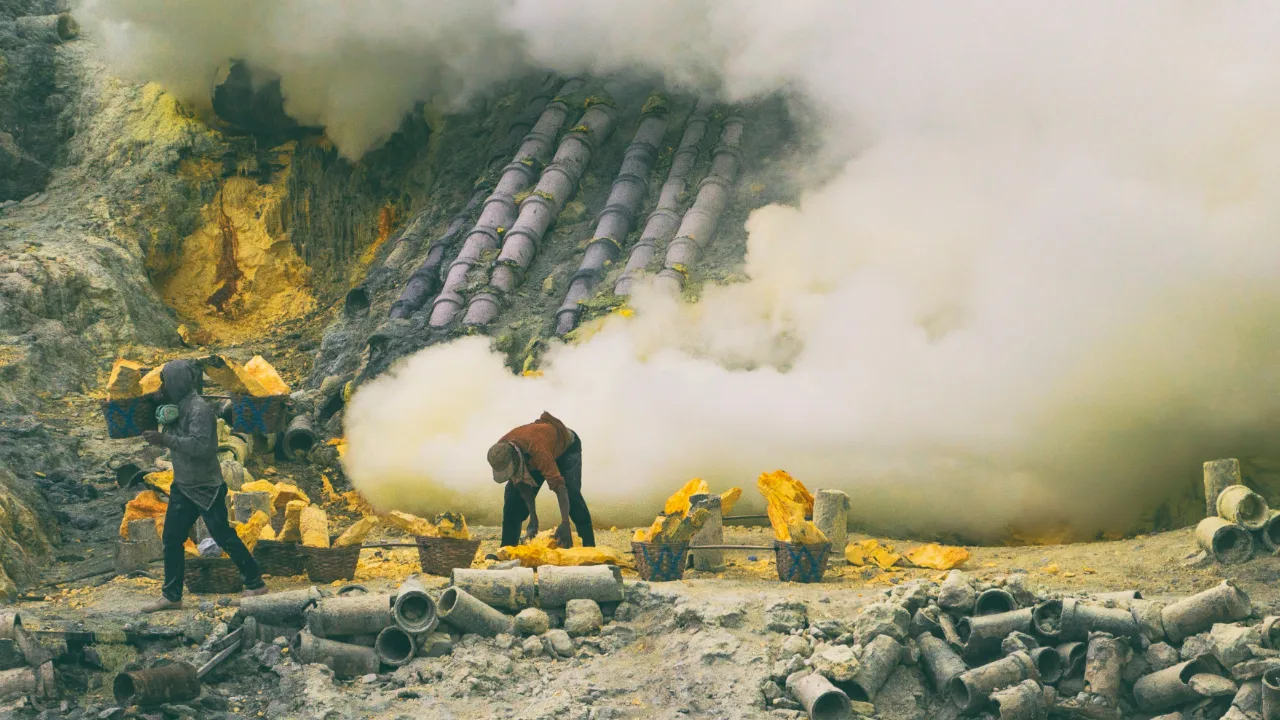
Organic materials—such as fossil fuels, refined petroleum products, biomass, and biological samples—contain sulfur bonded to carbon and hydrogen. Sulfur concentrations vary widely depending on the source and processing, ranging from trace levels in refined products to several percent in raw materials.
Why Test Sulfur in Organic Materials?
- Environmental Compliance: Refineries and power plants rely on sulfur testing to meet air quality standards and avoid fines. Accurate measurements help reduce SO₂ emissions and protect public health.
- Catalyst Protection: Sulfur poisons catalysts in refineries, petrochemical plants, and emissions systems.
- Fuel Quality: High-sulfur fuels cause engine corrosion and deposits. Ultra-low sulfur fuels improve performance and reduce maintenance.
- Agricultural Management: Soil and feed testing ensures optimal sulfur levels for plant growth and animal health.
- Process Optimization: Biofuel developers and environmental researchers use sulfur analysis to meet emission standards and study acid rain impacts.
Sulfur Analysis Instruments
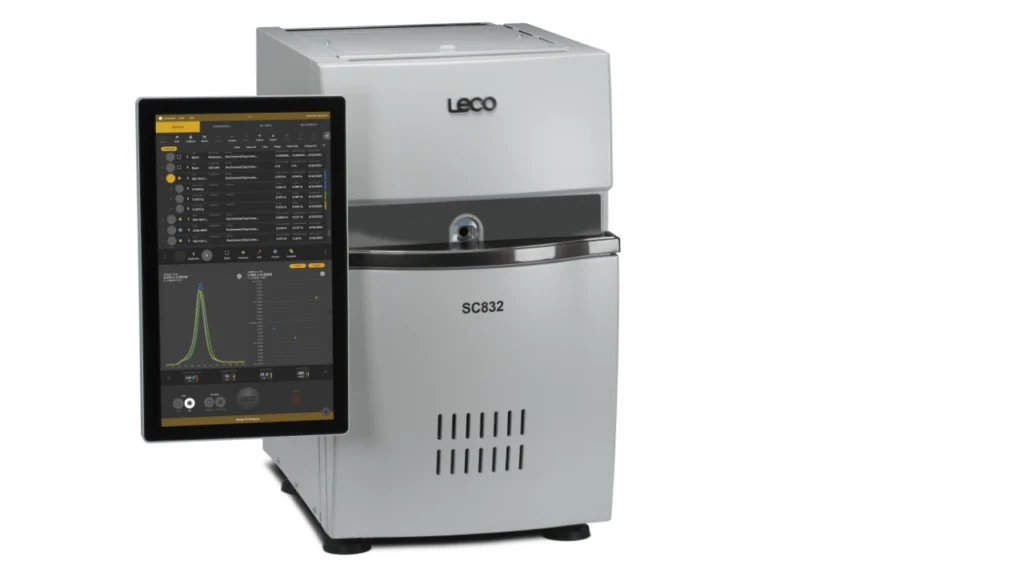
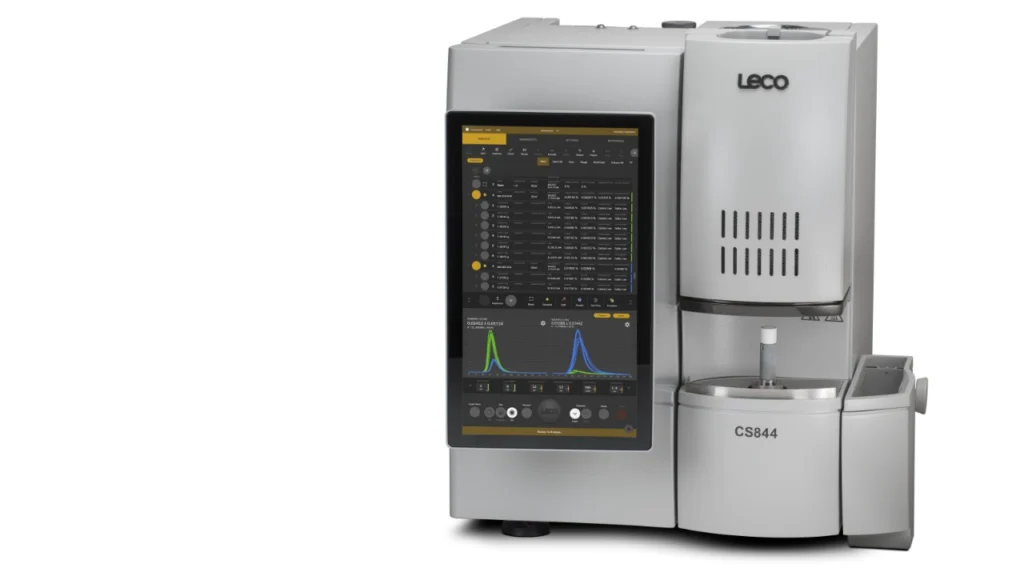
Whether minimizing impurities in steel, meeting ultra-low sulfur fuel standards, or optimizing agricultural inputs, accurate sulfur analysis helps prevent costly failures, protect equipment, and support environmental stewardship. Explore the LECO instruments that help manufacturers, energy producers, and agronomists manage sulfur effectively.
 English
  Spanish
  Japanese
  German
  French
  Portuguese