
Oxygen Analysis & Testing

Oxygen analysis is a foundational element of materials science, critical to understanding the performance, stability, and longevity of everything from high-strength alloys to complex organic compounds. Whether a fundamental structural component or an unwanted contaminant, oxygen influences chemical behavior and physical properties across all materials. Accurately quantifying these levels is essential for ensuring product quality, meeting rigorous industry standards, and preventing material failure in highly demanding environments.
Why Measure Oxygen in Materials?
The impact of oxygen on material performance is profound and multifaceted. In inorganic substances like metals, ceramics, and minerals, oxygen often exists as oxides or dissolved gases. Even at trace levels, it can dramatically reduce toughness, increase brittleness, and compromise electrical conductivity. For instance, excess oxygen in steel leads to oxide inclusions—microscopic particles that create stress points within the metal. These inclusions weaken the material matrix and can lead to catastrophic failures in critical components, such as aircraft landing gear or high-pressure pipelines.
Conversely, the role of oxygen in organic materials is equally critical, though the context differs. Within polymers, fuels, and chemical formulations, oxygen atoms influence reaction kinetics, degradation pathways, and thermal stability. Monitoring the presence of oxygen in these substances is essential for controlling aging processes, preventing oxidation, and ensuring the long-term chemical integrity of the product.
Historically, oxygen was difficult to measure accurately due to the lack of direct, high-sensitivity analytical methods. Today, advanced techniques allow for precise detection down to a few parts per million (ppm), transforming oxygen analysis into a vital pillar of characterization for both heavy industry and high-tech manufacturing.
Oxygen in Inorganic Materials
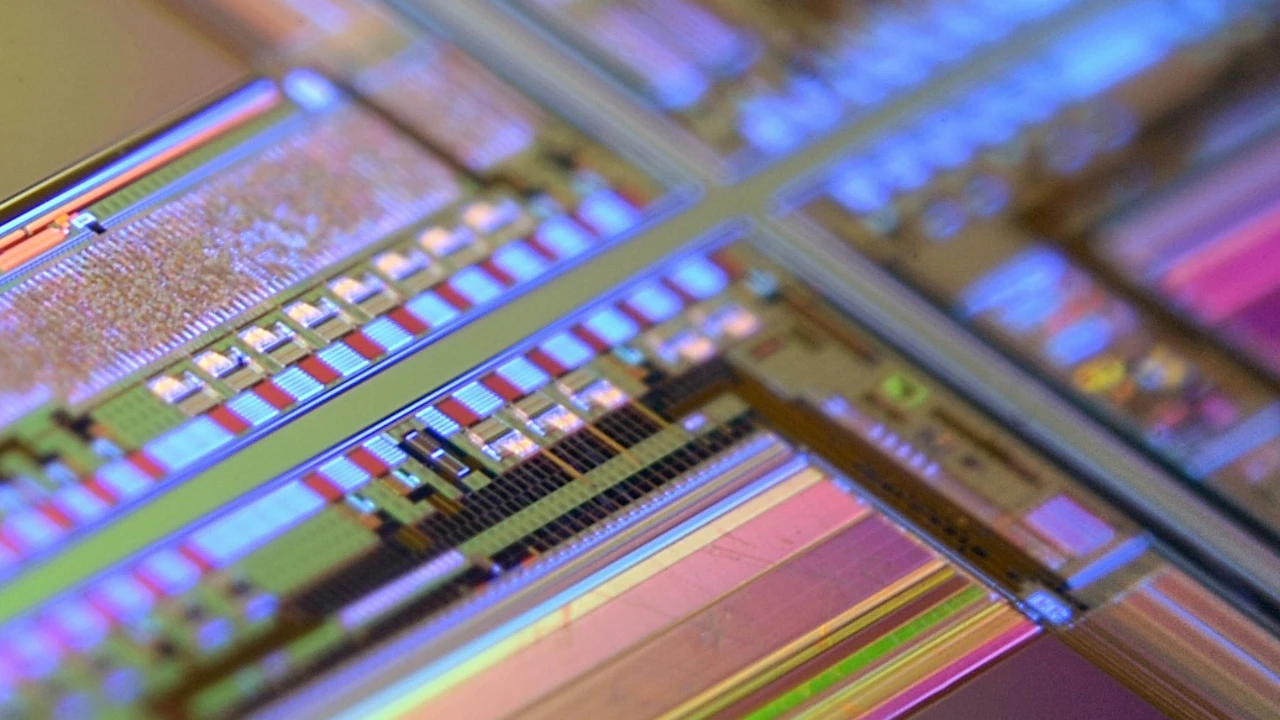
Oxygen enters inorganic materials unintentionally during manufacturing, often from air exposure or contaminated inputs. Once inside, it forms oxide inclusions or dissolves into the material, creating weak spots that can lead to cracking and failure.
Why Test Oxygen in Inorganic Materials?
- Preventing Failures: Oxygen testing ensures structural integrity in critical applications. For example, titanium used in aerospace must meet strict oxygen limits to avoid brittleness.
- Manufacturing Control: Real-time oxygen analysis in molten metals helps adjust production processes. In 3D printing, oxygen levels in metal powders are monitored to prevent defects.
- Performance Assurance: Electrical copper and silicon wafers require ultra-low oxygen levels to maintain conductivity and reliability.
- Troubleshooting: Oxygen testing identifies contamination sources and verifies furnace performance, especially in nuclear and chemical manufacturing.
- Compliance: Industrial standards specify oxygen limits for materials like bearing steel and turbine disks. Accurate testing ensures certification and traceability.
Oxygen in Organic Materials

Oxygen is a natural and essential component of organic materials, unlike metals where it is considered a contaminant. In fuels, biomass, food products, plastics, and environmental samples, oxygen is chemically bound within the material itself. Oxygen content can vary widely, from oxygen-rich materials like sugars and wood, to low-oxygen hydrocarbons and mature coals. Measuring oxygen provides critical insight into energy content, combustion behavior, and material properties.
Why Test Oxygen in Organic Materials?
- Predicting Fuel Performance: Measuring oxygen content helps predict how fuels will burn, how much energy they will produce, and how much air is required for complete combustion. This is critical for optimizing engines, furnaces, and fuel blending—from coal and biomass to ethanol-blended fuels.
- Ensuring Product Quality: Oxygen testing verifies chemical composition and purity in plastics, solvents, polymers, and pharmaceuticals, confirming that materials were produced correctly and meet specifications. Even small oxygen deviations can affect performance, stability, or safety.
- Understanding Environmental Processes: In soils, waste, and bio-based materials, oxygen content provides insight into decomposition, stability, and carbon structure. Oxygen-to-carbon ratios help distinguish fresh organic matter from stable materials like biochar or aged organic carbon.
- Meeting Safety and Regulatory Requirements: Many fuels and chemicals are regulated for minimum or maximum oxygen content to control emissions, performance, and handling risks. Measuring oxygen ensures compliance and helps classify materials for safe transport and use.
Oxygen Testing Instruments
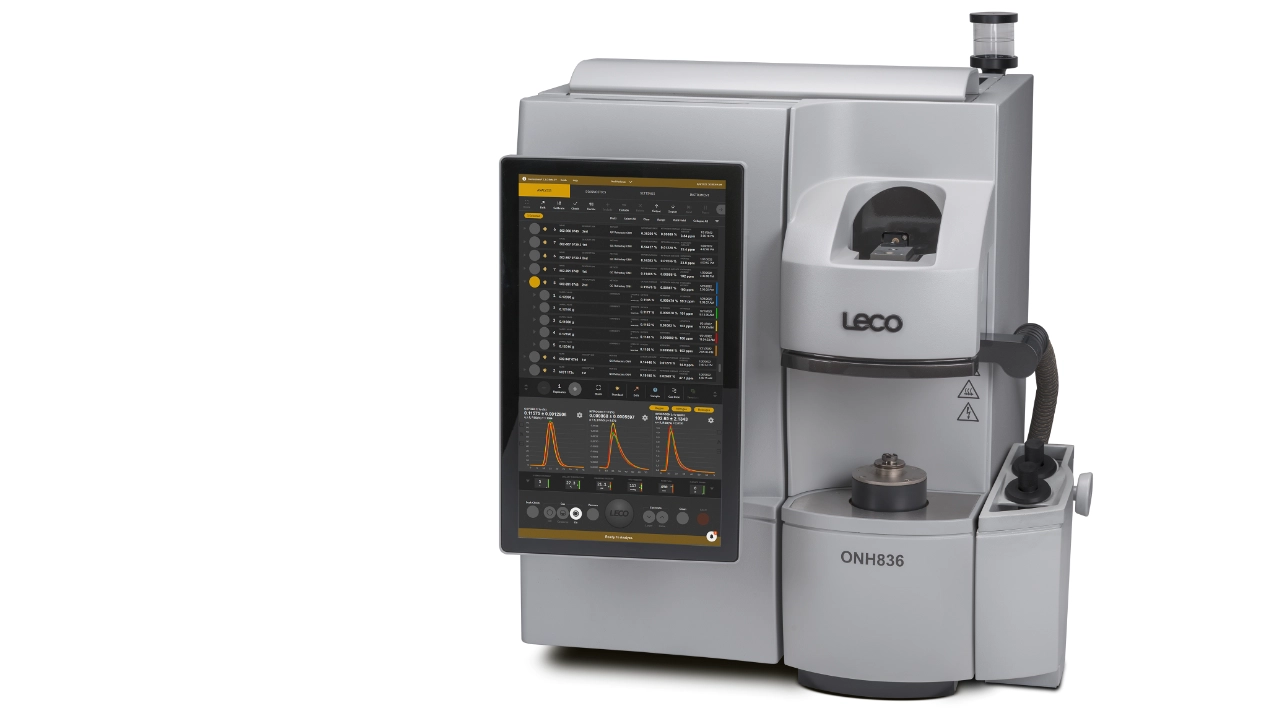
In the field of inorganic material science, oxygen analysis is a fundamental requirement for ensuring structural safety and functional reliability. Explore LECO’s oxygen testing instruments, providing the high-precision data industries need to maintain rigorous quality standards, optimize manufacturing environments, and ensure that materials perform as intended under extreme conditions.
 English
  Spanish
  Japanese
  German
  French
  Portuguese