
Published on
The Chemistry of Wine: Connecting Taste, Science, and Community in Southwestern Michigan

Wine is often described with poetic words—citrus, cocoa, floral, or earthy—yet behind every note is a complex chemical story shaped by the vineyard, the winemaker, and time. For many wine drinkers, science stays invisible.
At The Chemistry of Wine, a tasting event co-hosted by LECO and Lake Michigan College, science stepped out of the lab and into the glass. Guests sampled locally produced wines while learning how chemistry helps explain what we smell, taste, and enjoy.









A Truly Local Partnership
LECO is headquartered in St. Joseph, Michigan, in the heart of the Lake Michigan Shore American Viticulture Area (AVA). This 1.3-million-acre region in Southwest Michigan is responsible for more than 80% of the state’s total grape production. Situated at 42 degrees north, the Lake Michigan Shore AVA is geographically similar to famous wine regions across Europe, including France, Germany, and Spain. Glacial soils and the “Lake Effect” contribute to an extremely productive agricultural region.
Serving much of this same area, Lake Michigan College (LMC) is a public local community college, located in neighboring Benton Harbor, Michigan. Among their many programs and community services, LMC houses the only teaching winery in the Midwest, the Lake Michigan Vintners.
Through their Wine and Viticulture Technology program, students get hands-on experience of the entire winemaking process—from harvesting grapes at nearby vineyards, through crushing and aging, to bottling and serving— in a fully functional winery and tasting room.
Growing Complex Chemistry
Every decision in the winemaking process has an impact on the final product, and LECO instruments support winemakers through every step. Justin Ledyard, LECO Product Manager for Organic Instruments (below, left), explained the importance of determining moisture and analyzing essential elements (carbon, nitrogen, and sulfur) that impact soil health.
Nitrogen and sulfur are both essential nutrients for plant growth. Agronomists use data obtained from instruments like the CN828 and SC832 to help determine nutrients available in the soil and inform decisions on fertilizer application. Total organic carbon (TOC) measurements reflect the amount of organic matter in soil. Detailed characterization of carbon speciation and content is fundamental for improving soil structure, water retention, and maintaining microbial life.

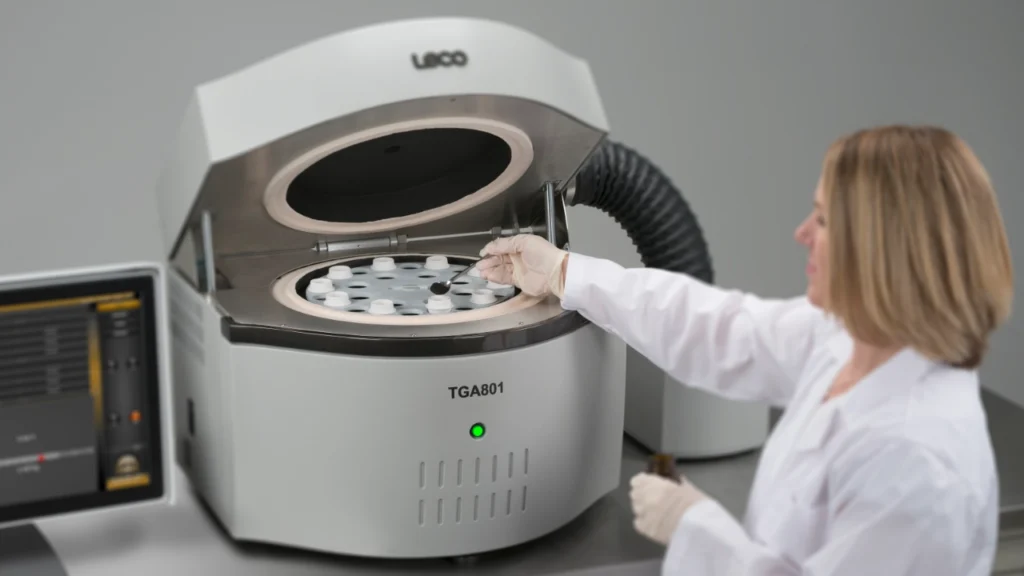
Moisture, determined through thermogravimetric analysis with LECO TGA801 and TGM800, is vital to plant health, carrying nutrients, regulating soil temperature, and further supporting microbial life. Accurate determination of moisture content also serves as a critical factor for the evaluation of a variety of analytically important constituents within soil. In the vineyard, decisions on moisture and irrigation impact grape health and growth, which provide the foundation for flavor development.
Developing Flavors
Grapes—and wine—contain hundreds of chemical compounds known as analytes. Analytical tools, especially gas chromatography and mass spectrometry (GC-MS), measure these analytes to better understand a sample’s characteristics and chemical composition. Analytes begin developing in the vineyard and continue to develop through the entire winemaking process, with variations at each stage leading to different mixtures of analytes for different wines.
From the moment grapes are harvested, the chemistry starts to change. Grapes have many analytes, including terpenes that are one type of analyte that contributes to aroma. Crushing releases juice, exposing compounds to oxygen, and activating enzymatic reactions. Through adding yeast, the juices begin to ferment, which converts sugars in the juice to alcohol, and develops new and different analyte combinations through other reactions. Many esters (another type of analyte that contributes to aroma) develop during fermentation. Aging slows fermentation and allows flavors to develop, while potentially adding new analytes to the wine from barrels and storage methods.
Wine flavors never stop developing, even after bottling. Analytes continue to slowly react, ever changing the wine characteristics. Every decision and step of the process has an impact on the aromas and flavors we perceive, and LECO’s GC-MS can help us determine the analytes associated with these aromas.
Perceiving the Chemistry
Prior to the tasting, LECO chemists analyzed four of Lake Michigan Vintners wines using the Pegasus BTX 4D GCxGC-TOFMS platform. This powerful analytical tool uncovered hundreds of analytes in the wines. Guests were co-led through the tasting by Tim Godfrey (Director, Wine & Viticulture Technology, LMC; below, left) and Liz Humston-Fulmer (Separation Science Application Chemist, LECO; below, right).


Tim introduced participants to the Five “S” method of sampling wine—See, Swirl, Sniff, Sip, Savor—designed to enhance the flavors and aromas during the tasting. Guests were asked to use their senses and encouraged to report their perception of flavor profiles. After each tasting, Liz shared chromatograms and some of the analyte information collected through LECO ChromaTOF software and explained how the science supported audience’s perceptions.
Exploring the Wines
Attendees tasted four wines: a Riesling, a Sauvignon Blanc, a red blend, and a Merlot.
Riesling (White)
Harvested from nearby SWMREC vineyards in October 2023, fermented in stainless-steel
Sauvignon Blanc (White)
Grapes sourced from several local vineyards, harvested in October 2025, fermented in steel
Red Hawk Red (Red)
Bottled in 2023, a blend of three “red” grapes: Marquette, Cabernet Franc, and Merlot. Mostly stainless steel fermentation.
Merlot (Red)
Harvested in October 2023; underwent saignée and pre-fermentation, prior to aging in oak barrel then bottle.
Saignée is a process in red wine production, where a portion of juice is removed early in the process. This allows remaining juice to concentrate further. The extracted juices are often fermented as rosé.
Comparing the Chemistry of White Wines
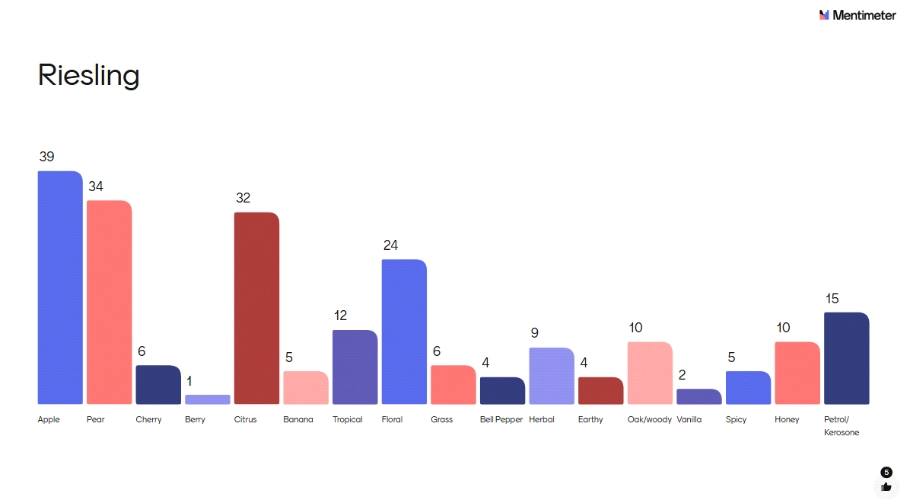

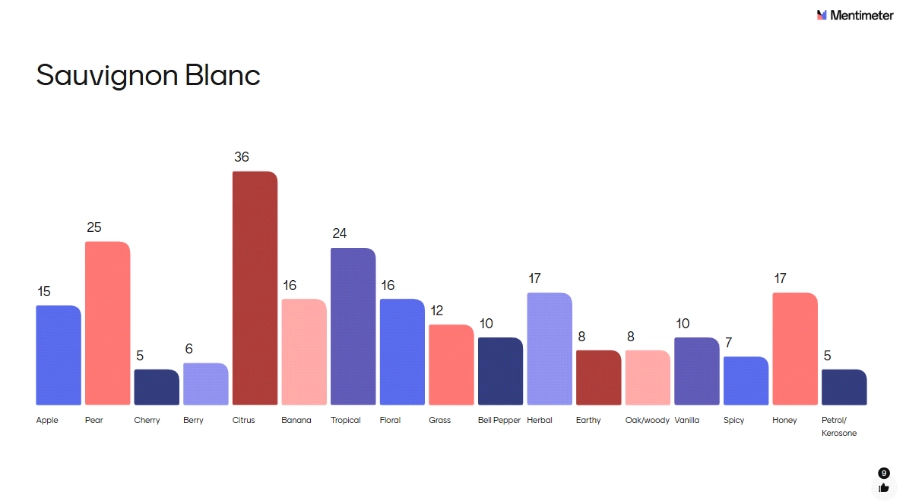
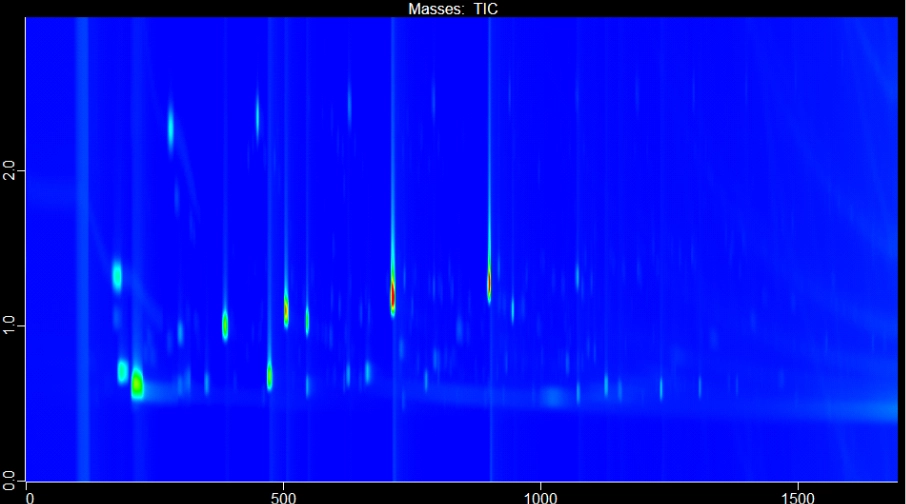
The audience tasting notes from the event are shown in the bar chart alongside the chromatograms for each of the wines. Some of the most selected aroma notes are common for both white wines (like apple, pear, and citrus), while other aroma notes are more distinct between the wines (like petrol for the Riesling and banana, tropical and herbal for Sauvignon Blanc).
When comparing the Riesling and Sauvignon Blanc chemical data, the chromatograms look very similar, but many differences were also observed. Overlapping esters are associated with some of these common fruity, apple, and pear notes. Terpenes contribute to some of the citrus, herbal, and floral notes.
One analyte unique to the Riesling wine is TDN (1,1,6-trimethyl-1,2-dihydronaphthalene). This analyte is known to provide a distinct “petrol” aroma. As Riesling wines age, this analyte continues to develop, and this aroma becomes more noticeable. At a young “age”, it might be harder to perceive as TDN may not have accumulated to a high enough level—but our GC-MS system easily determined the analyte, and many of our participants identified its aroma.
Participants also identified more grassy, tropical, and banana aroma notes in the Sauvignon Blanc compared to the Riesling. Our data supports this, and when comparing samples with ChromaTOF Sync 2D, it is easy to see several esters that are unique to the Sauvignon Blanc with these types of aromas.

Comparing the Chemistry of Red Wines
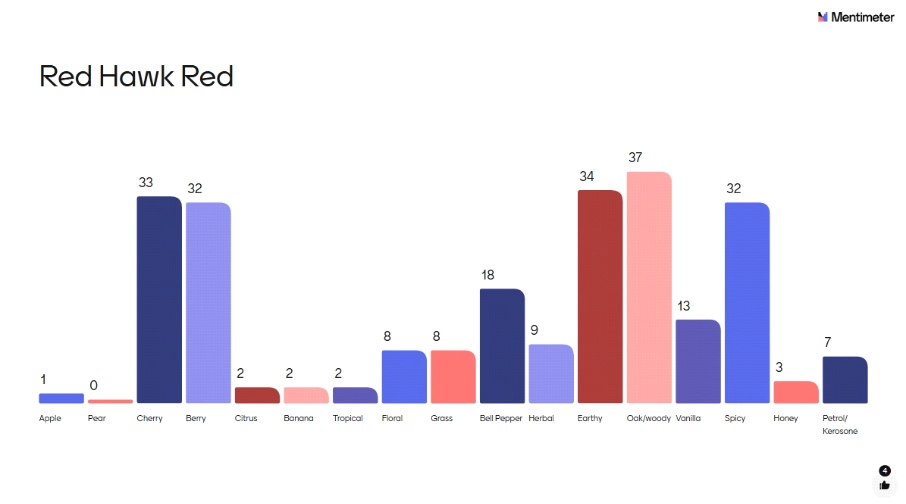
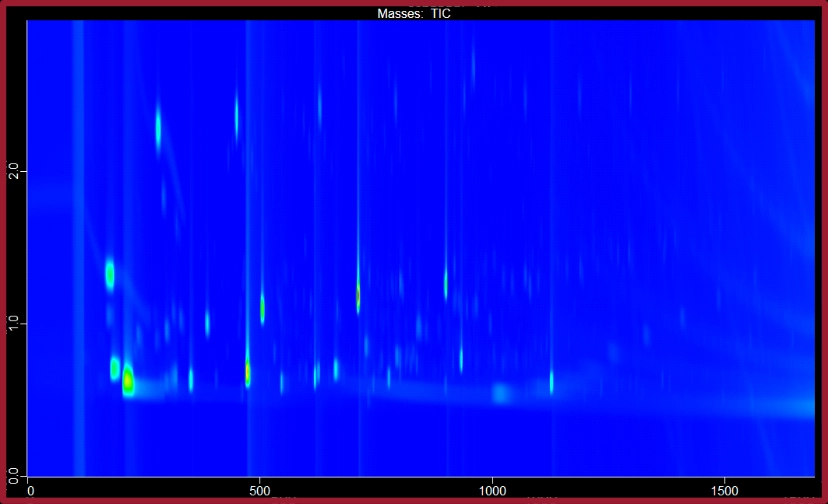

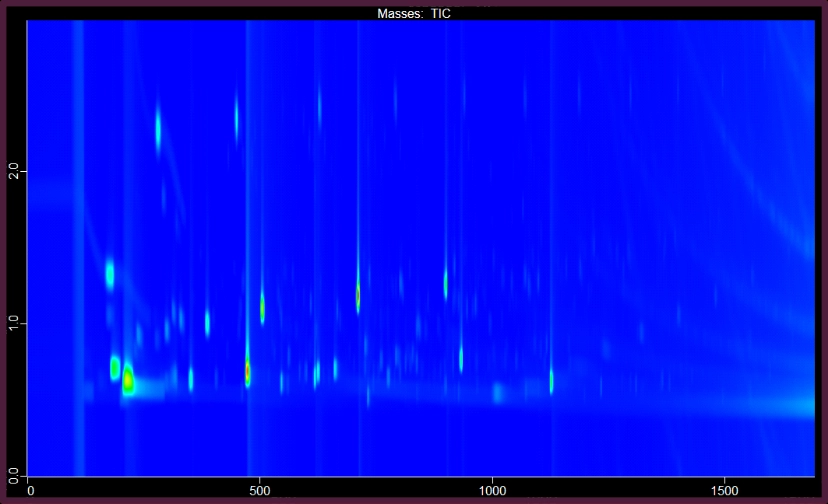
As both red wines sampled were produced using merlot grapes, it is not surprising to see so many similarities in the chromatograms when comparing the Red Hawk Red and the Merlot. The audience tasting notes for these wines were also quite similar. For example, participants overwhelmingly identified shared aromas: cherry, berry, earthy, oak/woody, and spicy.
The cherry and berry fruit notes of these wines were distinctly different compared to the fruit notes for the Riesling and Sauvignon Blanc, which were described as more apple and pear. These types of differences are likely associated with different combinations of esters in the wines. For example, several esters that were observed at higher levels in the red wines are shown here.
Comprehensive analysis also allows us to identify whiskey and oak lactones that are associated with oak barrels and unique to the red wines. These are observed at notably higher levels in the Merlot, but are also present in the Red Hawk Red. Both wines were aged in an oak barrel, but the merlot was barrel-aged longer (for 18 months); these analytes are imparted from the wood as the wine ages and many of our participants picked up these aroma notes.

Did you know? The CAS Registry is a universal standard for identifying chemical substances. The registry contains over 290 million identified substances, giving chemists a common reference for discussing chemical compounds.

By bringing together Lake Michigan College’s educational expertise, the craftsmanship of Lake Michigan Vintners, and LECO’s analytical precision, we were able to peel back the curtain on the complex molecular world inside every bottle.
Whether it was identifying the “petrol” notes of a young Riesling through TDN or seeing the lactones imparted by an oak barrel, this collaboration showed that the science we study in the lab is the same craft we taste in the glass, forming the true foundation of our local flavors.
Experience the Chemistry Yourself
If you’re curious to explore how place, process, and chemistry come together in the glass, the best next step is simple: visit Lake Michigan Vintners. The wines tasted during this event were produced by students learning the craft from vineyard to bottle right here in Southwest Michigan. Every sip supports the next generation of winemakers and the continued growth of our local viticulture.
Plan your visit to the tasting room and support local student-crafted wine: Visit Lake Michigan Vintners
Soil Analysis
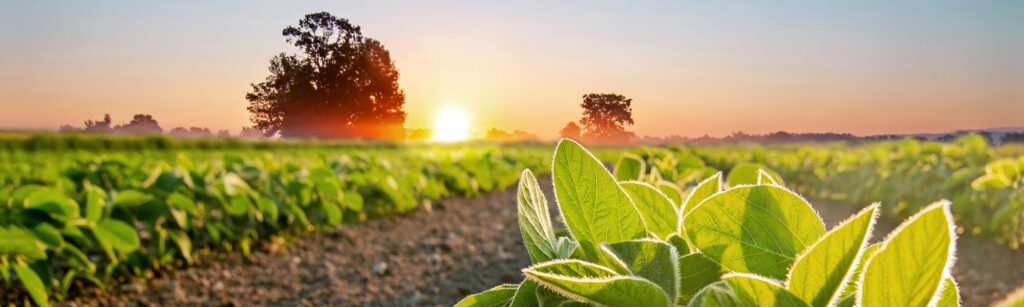
Moisture, carbon, and nitrogen in soil are the building blocks of grape quality. Learn more about LECO elemental analysis solutions to see how precise soil characterization supports a successful harvest.
Aroma Analysis

Are you curious about the science behind ‘petrol’ notes in Riesling, or the lactones in barrel-aged Merlot? Learn more about how the Pegasus GC-TOFMS platform identifies analytes that define a wine’s flavor.


 English
  Spanish
  Japanese
  German
  French
  Portuguese