

Oxygen, Nitrogen, and Hydrogen Analysis
736/836 Series Elemental Analyzers

Introdução
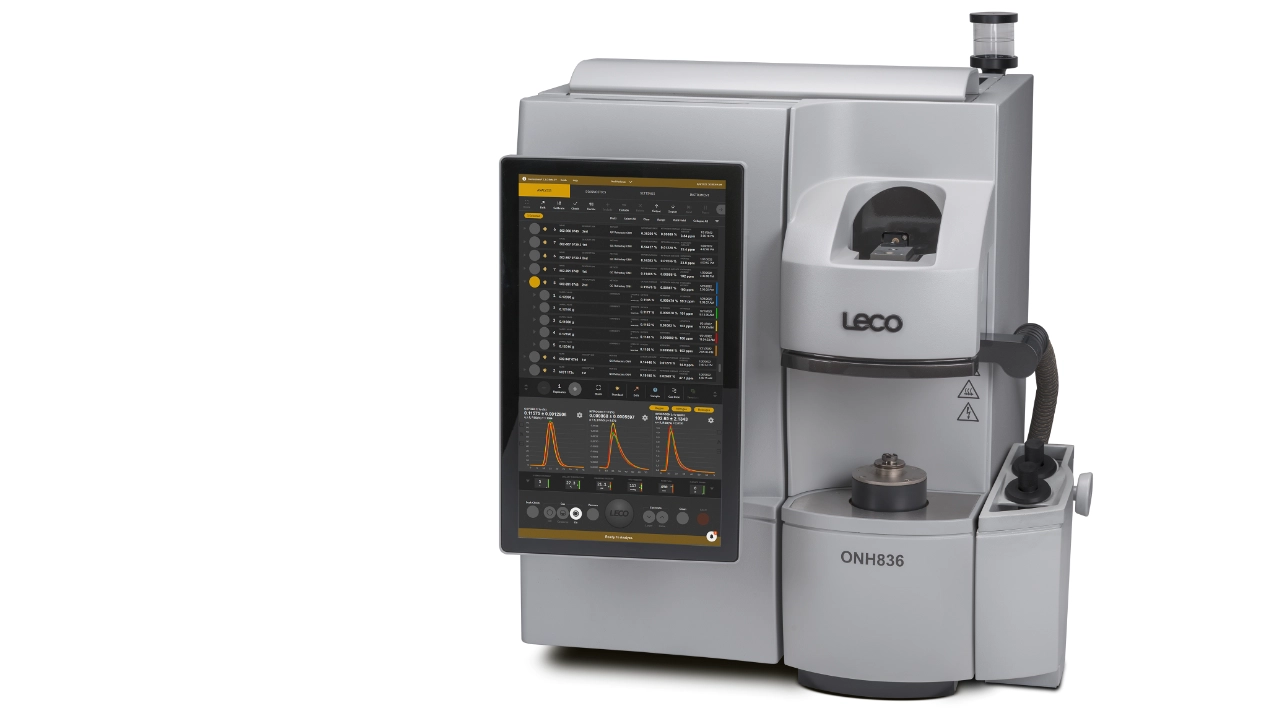
The LECO 736 Series delivers precise oxygen and nitrogen measurements in metals and alloys using advanced inert gas fusion and thermostatic detection. With automation-ready options, argon carrier gas compatibility, and a robust design, it streamlines metallurgical quality control, improves throughput, and lowers operating costs, while ensuring every result meets the highest standards for accuracy and reliability.
Building on these capabilities, the LECO 836 Series takes elemental analysis even further. In addition to oxygen and nitrogen, it integrates simultaneous hydrogen detection for comprehensive ONH analysis in a single system. The 836 Series also offers expanded detection capabilities and enhanced built-in automation, giving laboratories the tools to accelerate workflows, reduce costs, and achieve unmatched precision and dependability across all three elements.
Why Choose LECO 736 and 836 Series?
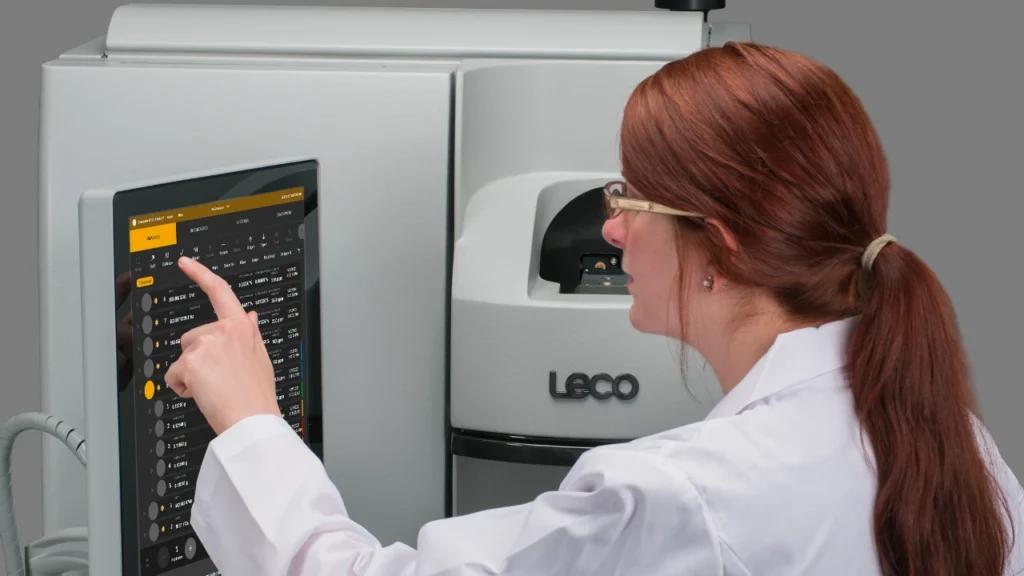
High-Performance Detection for Accuracy
Advanced IR and TC detectors with thermostatic construction ensure precise oxygen and nitrogen measurements, minimizing drift and enabling sub-ppm detection.

Rapid Analysis with Automation for High Throughput
Approximately 3-minute analysis cycles and 20-position autoloaders maximize productivity—up to 20 samples per hour—with minimal manual intervention.
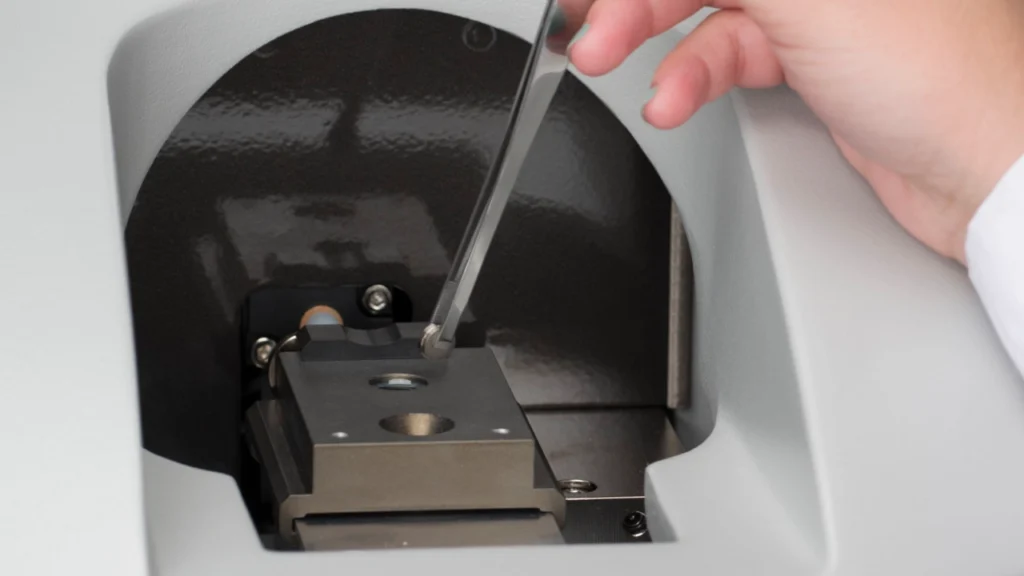
Robust Furnace Design with Jam-Free Sample Delivery
Electrode furnaces and autocleaning systems handle diverse sample types without clogs, reducing downtime and maintenance.
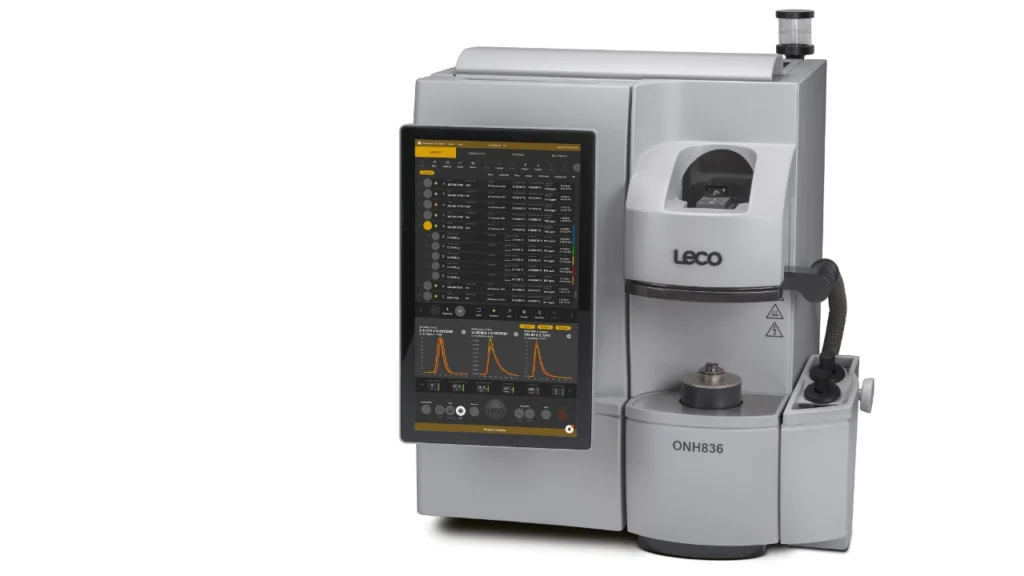
Simultaneous ONH Analysis in One Run
The 836 Series goes beyond oxygen and nitrogen by adding hydrogen detection in a single, integrated analysis. This eliminates the need for separate instruments or sequential runs, delivering comprehensive elemental data faster and more efficiently.
Core Analyses
Featured Application Notes

Oxygen and Nitrogen in Solid Iron, Steel, Nickel-Base, and Cobalt-Base Alloys
Oxygen and Nitrogen in Solid Iron, Steel, Nickel-Base, and Cobalt-Base Alloys
Determining Oxygen and Nitrogen in Refractory Metals with ON736
Determining Oxygen and Nitrogen in Refractory Metals with ON736
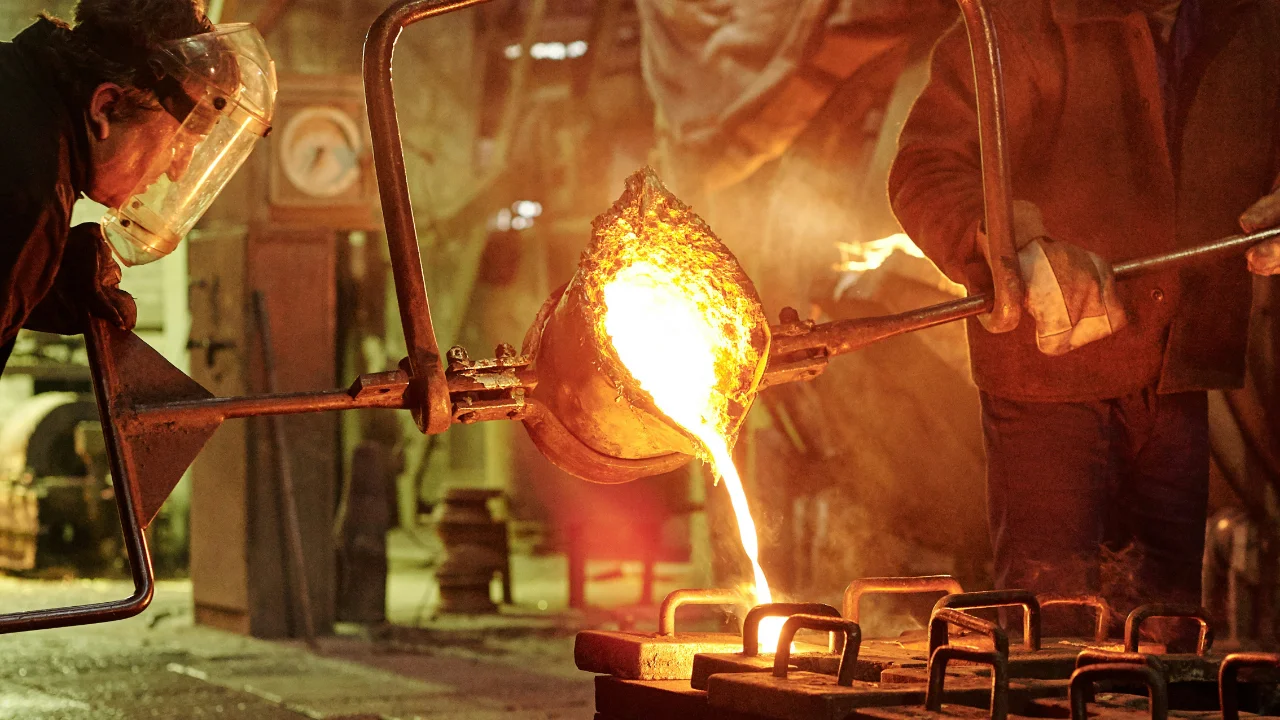
Determination of Hydrogen in Steel and Iron
Determination of Hydrogen in Steel and Iron
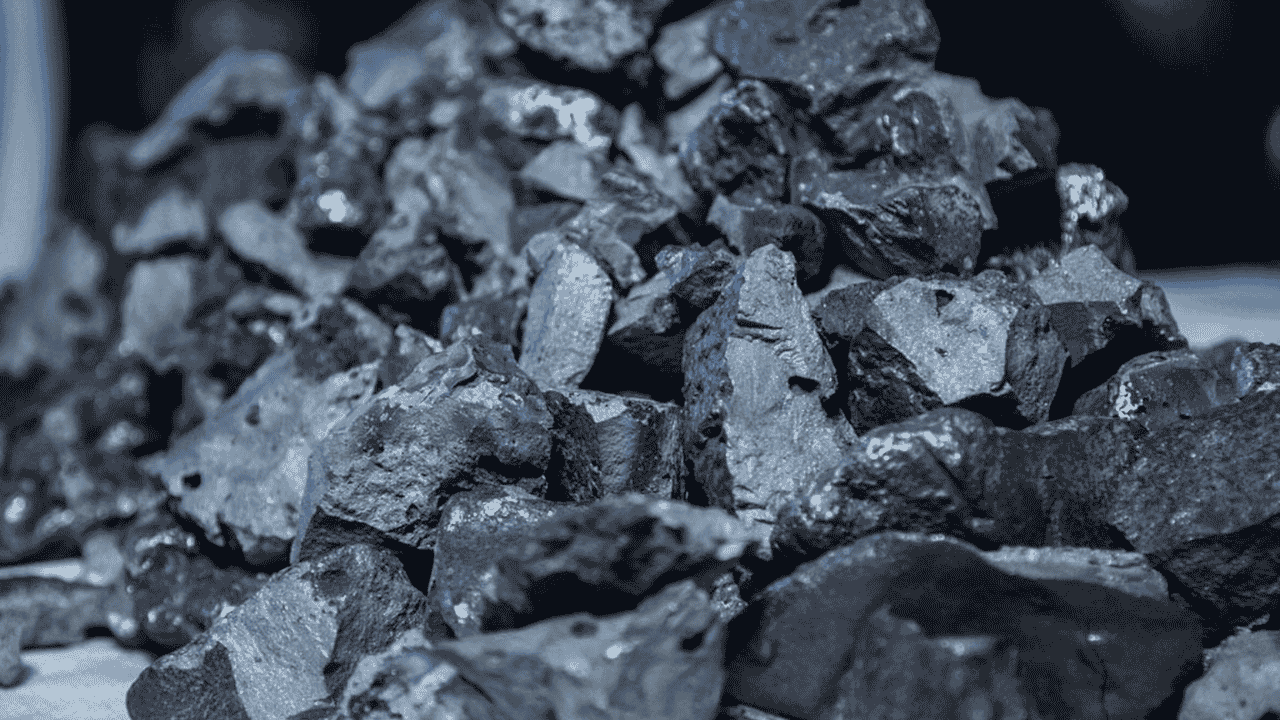
Oxygen, Nitrogen and Hydrogen in Refractory Metals with LECO ONH836
Oxygen, Nitrogen and Hydrogen in Refractory Metals with LECO ONH836
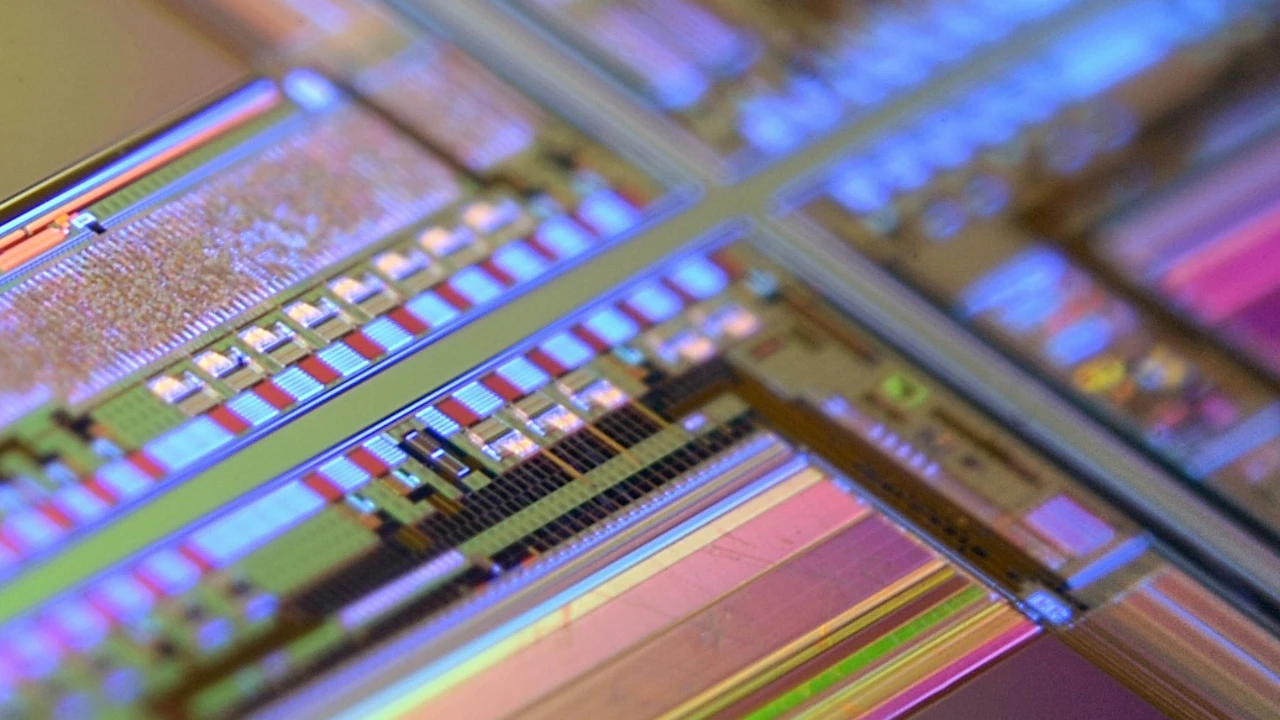
Determination of Oxygen in Silicon Wafers with O836Si
Determination of Oxygen in Silicon Wafers with O836Si
How LECO ONH Analyzers Work
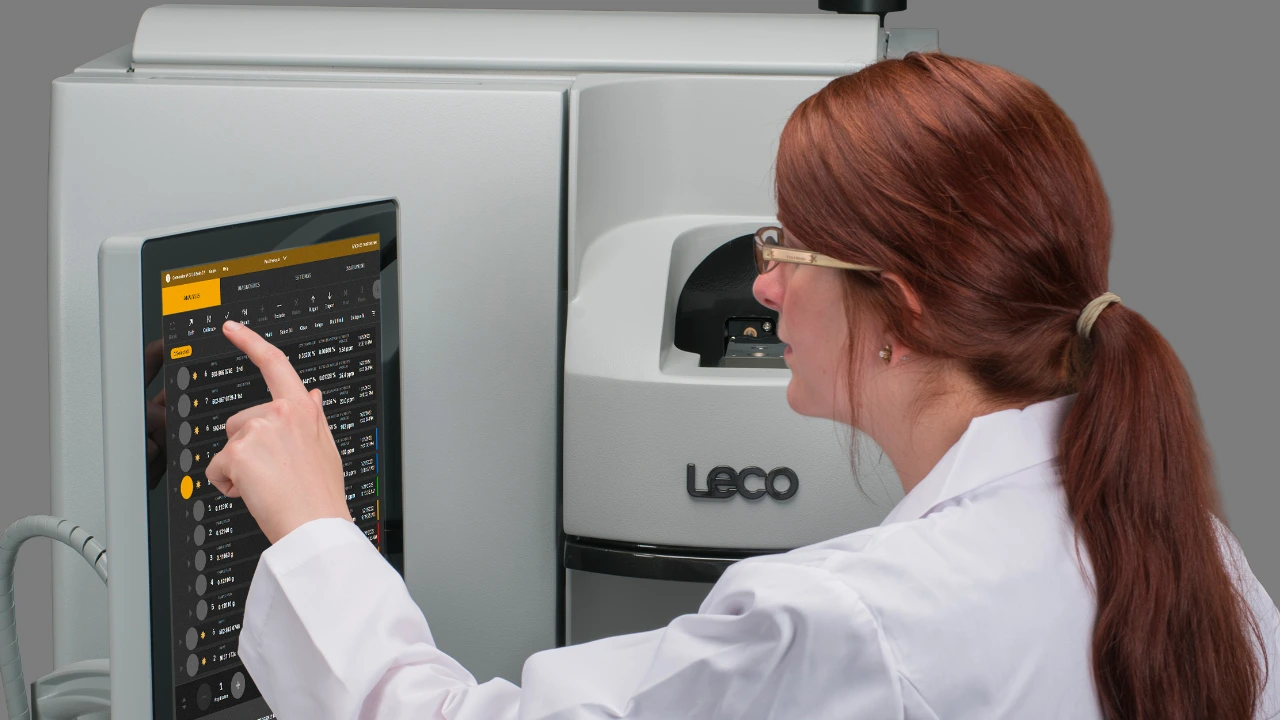
The LECO 736 and 836 Series elemental analyzers use inert gas fusion to deliver precise, simultaneous measurement of oxygen and nitrogen (736), with the 836 extending capabilities to include hydrogen for full ONH analysis. Both systems are designed for steel, refractory metals, and other inorganic materials, and feature intuitive, touch-optimized software to streamline laboratory workflows.
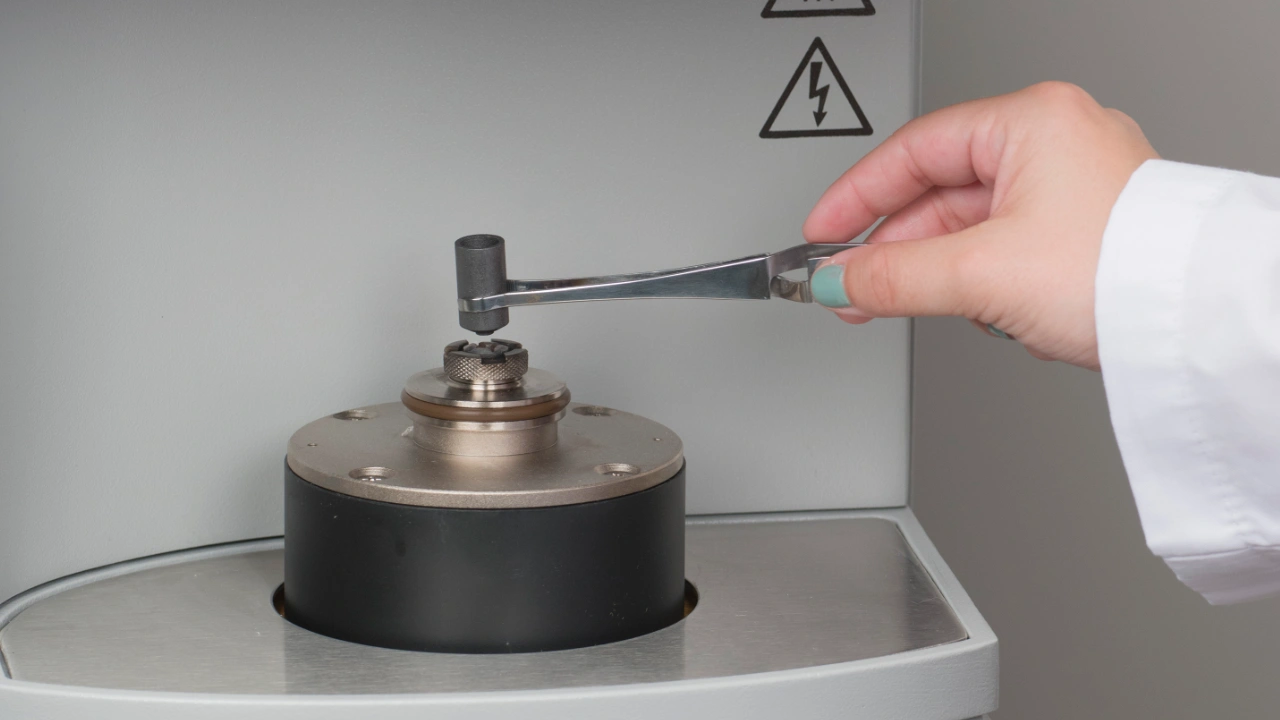
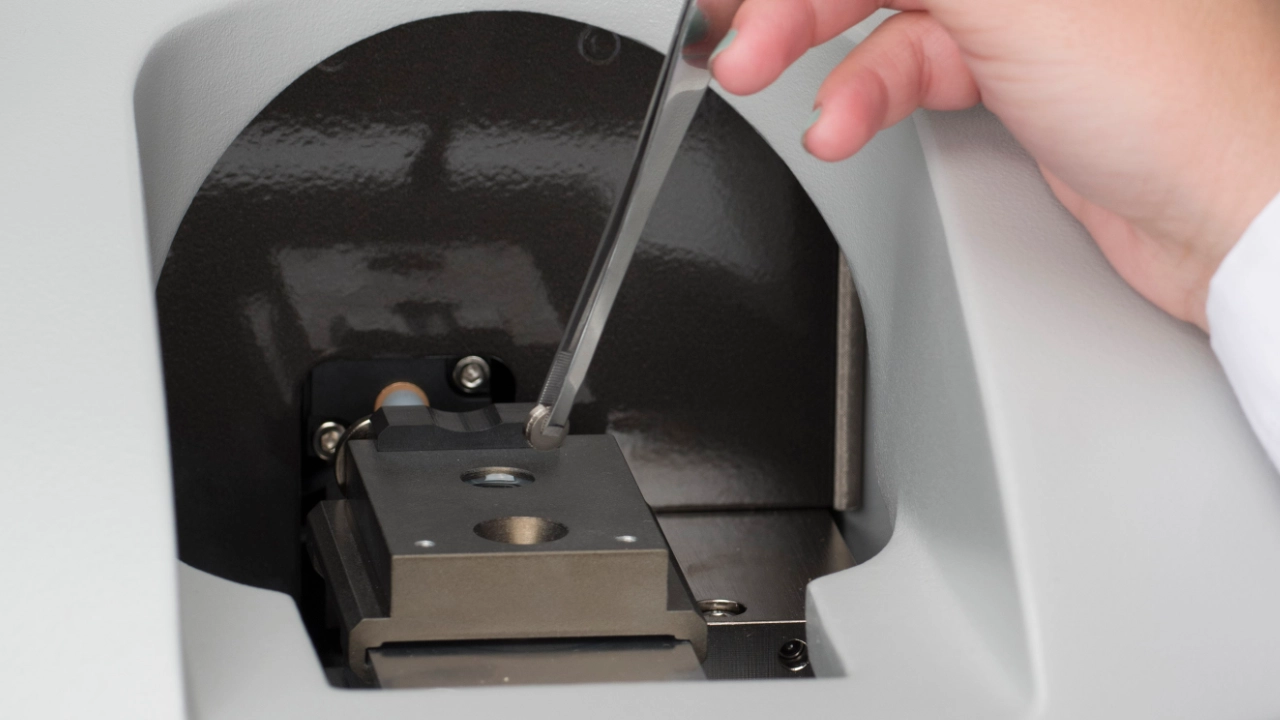
In each system, a pre-weighed sample is placed in a graphite crucible and heated in an impulse furnace. As the sample melts, oxygen reacts with the graphite to form carbon monoxide (CO) and carbon dioxide (CO₂), while nitrogen and hydrogen are released as elemental gases. An inert carrier gas (typically helium or argon) sweeps the liberated analytes from the furnace through a mass flow controller and into the detection system.
Gas handling and detection are based on a combination of non-dispersive infrared (NDIR) and thermal conductivity (TC) technologies. NDIR cells measure oxygen-related species by detecting CO and CO₂, and H₂O on the 836 Series, at their characteristic infrared absorption wavelengths. As the gas stream passes through heated reagents, CO is fully oxidized to CO₂ and hydrogen is converted to H₂O, ensuring accurate, wide-range detection across different materials and concentrations.
After CO₂ and H₂O are removed from the gas stream, nitrogen remains as the final analyte and is measured using a thermal conductivity detector. TC detection relies on differences in thermal conductivity between the carrier gas and analyte gases, producing a measurable signal as nitrogen alters heat transfer across heated filaments. The 836 further enhances accuracy with a patented Dynamic Flow Compensation (DFC) system, which maintains consistent carrier gas flow despite gas losses during scrubbing.
For both analyzers, elemental concentrations are calculated relative to calibration standards. To minimize drift and ensure long-term stability, reference measurements of pure carrier gas are performed prior to each analysis—delivering reliable, repeatable results for demanding metallurgical and materials testing applications.
Instrument Details
Specifications
Modelos
Model Comparison
Opções
Applicable Methods
LECO ONH Analyzers adhere to these approved methods.
- ASTM E1019 Carbon, Sulfur, Nitrogen and Oxygen in Steel, Nickel, and Cobalt Alloys
- ASTM E1409 Oxygen and Nitrogen in Titanium and Titanium Alloys
- ASTM E1447 Hydrogen in Reactive Metals and Reactive Metal Alloys
- ASTM E2575 Oxygen in Copper and Copper Alloys
Suporte a Instrumentos
Ensure reliable instrument performance with extensive support, training, and maintenance services. Need tailored support for your elemental analyzers? Our experts are standing by.
Eventos
Webinars, Apresentações, Conferências e Feiras de Negócios




 English
  Spanish
  Japanese
  German
  French
  Portuguese